



Recently released Consumer Price Index data by the National Bureau of Statistics showed that headline Inflation rate for November rose for the 15th consecutive month to 14.89% (from 14.23% printed in October). The northward movement in the headline inflation was chiefly driven by rising food inflation to 18.30% (from 17.38% in October).
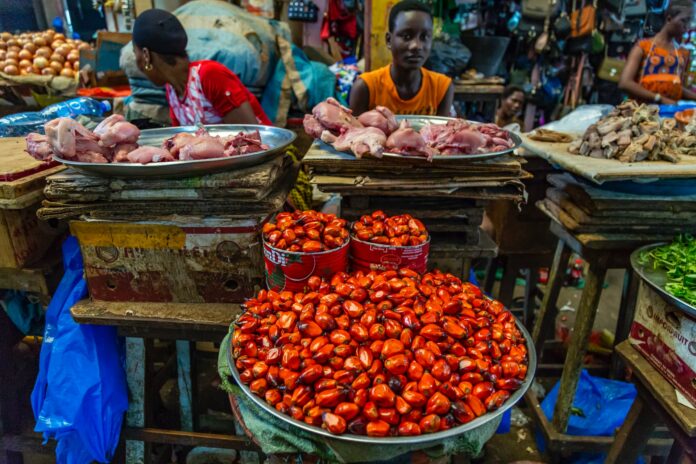
Heightened insecurity in the food-producing states, higher logistics cost, lingering effects of Covid-19 pandemic and yuletide season demand exacerbated the food inflationary pressures for November.

However, the core inflation rate moderated to 11.05% (from 11.14% in October) despite the increase in the price of PMS and a partial rise in electricity tariff in November.
The imported food index rose by 16.58% (higher than 16.51% in October) amid depreciation of the Naira – specifically, two months moving average foreign exchange rates at the BDC and Parallel market rose y-o-y by 2.39% and 2.04% to N461.80/USD and N468.16/USD respectively in November 2020.
On a monthly basis, headline inflation worsened to 1.60% in November (from 1.54% in October). Notably, monthly food inflation rose to 2.04% in November (from 1.96% in September) as prices of bread, cereals, potatoes, yam and meats, amongst others, increased.
However, Core inflation rate slowed to 0.71% (from 1.25% in September) despite higher clothing and footwear (+0.22%), transportation costs (+0.46%) as well as housing and energy costs (+0.23%). Meanwhile, urban and rural inflation rates rose to 15.47% and 14.33% (higher than 14.81% and 13.68%) respectively.
Outlook:
We expect inflation to continue its upward trend in Decemebr as increased
festive demand for goods and services, sustained exchange rate pressures
and continued insecurity, especially in food producing areas of the country,
are expected to have a negative impact on price level.
