




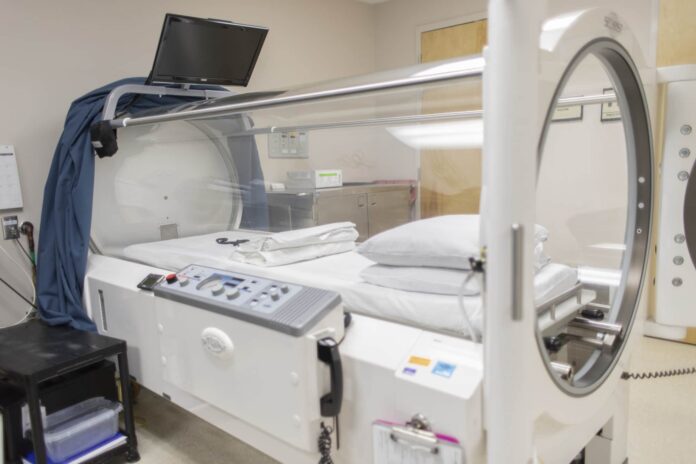
Engaging in pressure chamber therapy involves inhaling air under heightened pressure, typically ranging from 2 to 3 times greater than the normal atmospheric pressure. This technique is utilized in the treatment of various health conditions.
The hyperbaric chamber facilitates this process for individuals, offering a deeper understanding of the therapeutic effects associated with pressure chamber therapy.
A hyperbaric chamber is widely employed for treating diverse medical conditions by utilizing enhanced pressure to deliver oxygen to the body’s tissues and aid in healing. To learn more about these hyperbaric chambers, visit https://www.oxygenark.com/.
With several decades of history, these chambers have garnered significant recognition for their efficacy in addressing various health ailments.
Hyperbaric Oxygen Treatment is a complex treatment that requires a few preparations before the real treatment start.
This article will explore the steps you need to take before going for the Hyperbaric Oxygen Treatment.
Hyperbaric Oxygen Chamber: What Pressure is Used Inside?
Hyperbaric oxygen chambers are medical devices that deliver pure oxygen to a person inside a pressurized environment. The pressure inside a hyperbaric oxygen chamber can vary depending on the specific treatment being administered. However, there are generally two main types of hyperbaric chambers in use:
1: Monoplace Chambers
These chambers are designed for a single person and are pressurized with 100% oxygen. The pressure typically ranges from 1.3 to 3 times the normal atmospheric pressure, which is equivalent to 9 to 22.5 pounds per square inch absolute (psi) or 60 to 155 kilopascals (kPa). The exact pressure used will depend on the medical condition being treated and the recommendation of the healthcare provider.
2: Multiplace Chambers
These chambers are larger and can accommodate multiple people, including medical personnel. Multiplace chambers can be pressurized with either 100% oxygen or a mixture of oxygen and air. The pressure inside multiplace chambers can range from 1.3 to 4 times the normal atmospheric pressure, which is equivalent to 9 to 29.4 psi or 60 to 203 kPa.
It’s important to note that hyperbaric oxygen therapy should only be administered under the supervision of trained medical professionals who can determine the appropriate pressure and treatment protocol for each individual case.
Preparation for Hyperbaric Oxygen Treatment: A Comprehensive Guide
To ensure a safe and effective HBOT session, proper preparation is essential. Follow the steps below.
Step 1: Medical Evaluation
Before undergoing HBOT, you will undergo a thorough medical evaluation. This evaluation assesses your overall health and identifies any medical conditions or factors that may impact your suitability for HBOT.
Your healthcare provider will review your medical history, perform a physical examination, and may order additional tests or consultations if necessary. Providing accurate and detailed information is crucial to ensure the treatment is tailored to your specific needs.
Step 2: Medication Review
During the preparation phase, it is important to have a detailed discussion with your healthcare provider about any medications you are currently taking. This includes prescription drugs, over-the-counter medications, and dietary supplements.
Some medications can interfere with HBOT or require adjustments to ensure safety and optimize treatment outcomes. Your healthcare provider will guide you on medication management during the HBOT process.
Step 3: Clothing And Personal Items
On the day of the treatment, wearing loose and comfortable clothing is recommended. Avoid wearing any items that may be flammable, such as synthetic fabrics.
Removing any metallic items, including jewellery, watches, and accessories, is also important before entering the hyperbaric chamber.
Depending on specific instructions, you may also need to remove contact lenses, hearing aids, and dentures.
Step 4: Fire Safety Precautions
To ensure safety within the hyperbaric chamber, it is crucial to follow fire safety protocols. Refrain from using or carrying flammable substances such as lighters, matches, and alcohol-based products.
Your healthcare provider will provide specific instructions on fire safety measures to create a safe environment for the treatment.
Step 5: Bladder And Bowel Considerations
Emptying your bladder and bowels before entering the hyperbaric chamber is recommended. This helps ensure your comfort during the treatment session and minimizes the need for interruptions. It is advisable to use restroom facilities before starting the treatment.
Step 6: Understanding The Procedure
Take the time to understand the procedure of HBOT and what to expect during the treatment. Familiarize yourself with the hyperbaric chamber and the steps involved in pressurization and depressurization.
Your healthcare provider will explain the process and answer any questions you may have to alleviate any concerns or uncertainties.
Step 7: Follow The Instructions
It is crucial to follow all instructions your healthcare team provides regarding dietary restrictions, smoking cessation, and any specific guidelines applicable to your case.
These instructions are designed to optimize the effectiveness and safety of your HBOT sessions.
After The HBOT
Aftercare, including hyperbaric oxygen therapy (HBOT), is essential to any medical treatment. There are several tips to consider to ensure optimal recovery and maximize the benefits of HBOT.
First, it’s important to follow any post-treatment instructions provided by your healthcare provider, which may include recommendations for rest, dietary guidelines, and activity restrictions.
Attending all scheduled follow-up appointments is crucial to monitor your progress and address any concerns.
Maintaining a healthy lifestyle, including a balanced diet and regular exercise, can also support your overall well-being and enhance healing.
If you experience any unusual symptoms or have questions during the aftercare period, don’t hesitate to contact your healthcare team for guidance and support.
By actively participating in your aftercare and maintaining open communication with your medical professionals, you can optimize the outcomes of your HBOT and facilitate a smoother recovery.
