




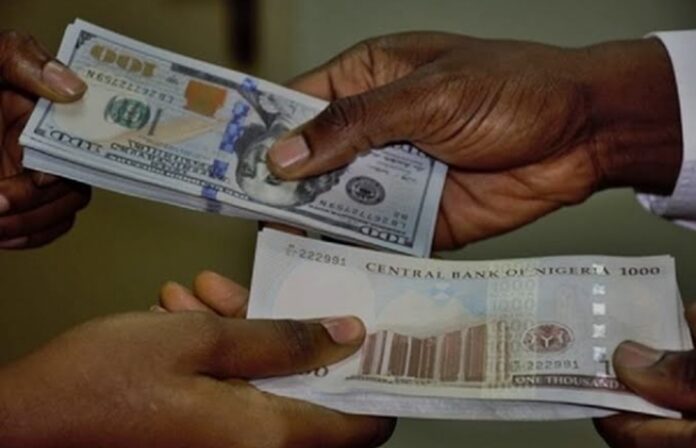
Nigeria’s external reserves have risen to $37.31 billion, a 22-month high, indicating substantial foreign inflows into the national economy.
According to data from the Central Bank of Nigeria (CBN), the reserves reached their highest point since November 4, 2022, when they were valued at $37.36 billion, on September 18, 2024. This signifies a noteworthy improvement in Nigeria’s foreign currency position.
The nation’s foreign currency stocks are its external reserves. But they haven’t really had an effect on the declining value of the naira, which Bloomberg listed as one of the world’s 10 worst-performing currencies on September 20.
The reserves are an essential indicator of the nation’s capacity to fulfil its financial commitments abroad and maintain the value of the national currency.
The nation’s reserves increased by 12.99%, or $4.29 billion, year to date from $33.02 billion at the beginning of the year on January 2, 2024.
The rise in foreign reserves is the result of numerous causes. The federal government’s domestic dollar bonds, which drew foreign investment, Nigerian expatriates’ remittances, multilateral loans from international organisations, and foreign portfolio investments are some of the main sources of the inflows. Nigeria’s foreign reserves increased by 12% year over year to $33.28 billion on September 18, 2023, an increase of $4.03 billion.
By issuing $500 million of the first series of $2 billion domestic US dollar bonds, the federal government was able to raise almost $900 million from investors to stabilise the economy.
The CBN reports, as accessed by BrandSpur business and economy news, indicate that between July 2023 and July 2024, Nigeria received $553 million in remittances. The World Bank Group contributed $2.25 billion and AfreximBank provided an oil facility worth $3.3 billion to the nation’s economy during that time.
Due to the CBN’s consistent policies, the economy saw a 57% increase in foreign exchange inflows in just a single year.
According to the CBN’s economic report for February 2024, fresh investments into the economy rose to $1.24 billion from $0.33 billion in January 2024, a considerable gain. The amount received in foreign direct investment increased to $0.06 billion from $0.03 billion the month before. The inflow of investments into the portfolio climbed to $0.80 billion from $0.12 billion as a result of growing bond and money market returns. Likewise, other investment capital increased from $0.18 billion to $0.37 billion over the previous period, mostly in the form of loans.
However, in February 2024, the nation’s foreign exchange earnings came to $8.86 billion, up from $5.66 billion in the same month the previous year, 2023.
