



The Nigerian National Petroleum Company Limited’s increase in the pump price of Premium Motor Spirit, also known as gasoline, has been demanded to be immediately reversed by the Nigeria Labour Congress and the Organized Private Sector.
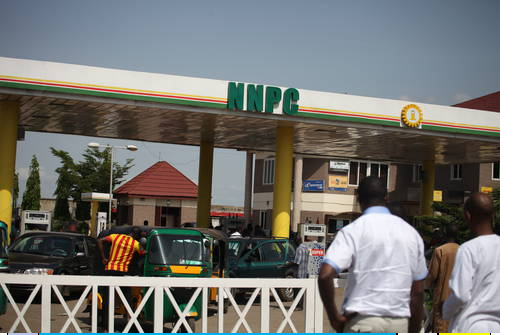
In Abuja, retail NNPC stations increased the price of gasoline to N1,030 from N897/litre, and in Lagos, the price increased to N998/litre from N868/litre. Similar price increases were seen in other places, a development that infuriated Nigerians.
The price increase, which is the second in a month, amounts to a rise of roughly 14.8%, or N133.
With the most recent price adjustment, the cost of gasoline has increased by more than 430% since the current administration took office on May 29 in the less than 17 months that it has been in office.
The national oil company increased the official price of gasoline sold in Abuja last month from N617 per litre to N897 per litre at the pump.
It happened a few days after the NNPC declared that the enormous debt it owed foreign suppliers severely restricted it. An estimate of the debt is $6.8 billion.
At the NNPCL mega station in Central Area, a customer told The PUNCH that the product was sold at N1,030.
The station did not display its prices on either the signboard or the pump meter, leaving customers unaware of the cost of fuel.
Instead, the new price was announced verbally by the fuel attendants, against best practices.
“I am very angry right now. I entered this station thinking their price would be better. It was only after I had wasted time in the queue that I was informed by the fuel attendant that the price had risen to N1,030,” the customer said.
This development comes days after the NNPC decided to terminate its exclusive purchase agreement with Dangote Refinery, giving room for other players downstream to buy products directly from the Dangote Refinery.
Oil marketers said NNPC’s withdrawal as the sole off-taker of petrol from Dangote refinery meant the Federal Government had systematically stopped subsidy on petrol completely.
It also meant the product would be sold to marketers on a willing buyer, willing seller basis.
