




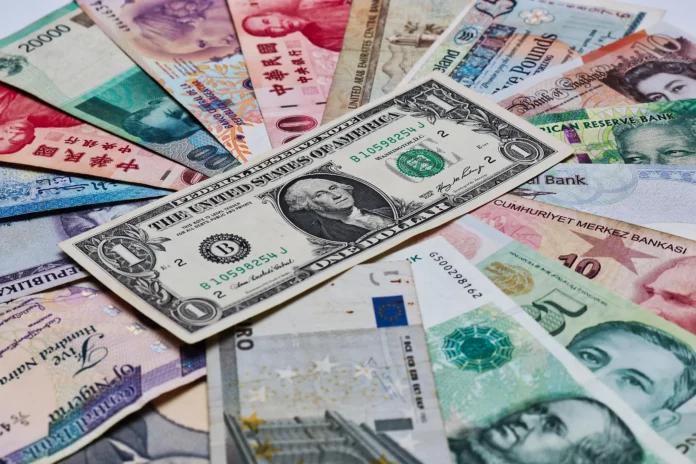
Today, October 31, 2025, the US dollar is selling at roughly ₦1,490 and buying at ₦1,479 in Nigeria’s unofficial, or “black,” or parallel market, where ₦1 = US$1.
In Lagos and other similar cities, the selling rate is ₦1,490 per US$1. In the parallel market, the buy rate is ₦1,479 per US$1, which is the rate the dealer is willing to pay you in dollars.
In contrast, the rate is approximately ₦1,444 per US$1 on the official market, which is the VWAP/NAFEM window derived from the Central Bank of Nigeria. This indicates persistent pressure in the unofficial FX market, with the difference between the official and parallel market rates being roughly ₦45 to ₦50 per dollar (₦1,490 minus ₦1,444).
This implies that the higher price on the black market may indicate tighter regulations, limited liquidity, or the higher risk premium that unofficial dealers are willing to pay. The parallel market rate remains much worse than the official window for importers, tourists, and Nigerians with USD cash or receiving remittances. The spread’s magnitude indicates how much the official rate may deviate from real demand in the economy and serves as a gauge of market stress.
BrandSpur banking and finance news desk reports that the naira has been struggling with demand from various sources (imports, diaspora flows, and speculation), external pressure, and shortages in foreign exchange supply. For instance, the parallel market rate had dropped to about ₦1,560 per US$1 earlier in August 2025. Nigeria has maintained a dual-rate environment (official vs. parallel), which is indicative of structural FX market segmentation.
Although there are still risks, the comparatively stable quote of ₦1,480–₦1,490 contrasts with much larger spreads observed in previous years, which may suggest modest stabilisation. Dollar inflows, oil revenue receipts, official foreign exchange interventions, and speculative sentiment will all continue to have an impact on the parallel rate. The parallel rate may rise once more if the dollar supply is tightened (by policy, BDC closure, or FX restrictions).
On the other hand, a greater supply of USD (through central bank auctions, oil receipts, or remittances) might ease the rate downward.
