




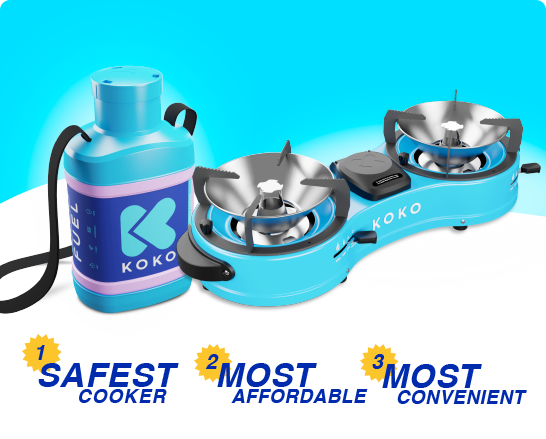
A major shake-up has hit East Africa’s clean-energy space as Koko, a technology-driven cooking fuel company, has ceased operations, abruptly disrupting access to affordable ethanol cooking fuel for thousands of households and small businesses.
The shutdown affects customers who relied on Koko’s smart fuel dispensers and gas cookers as a cleaner alternative to charcoal and kerosene. Many users were left unable to refill cooking fuel, while agents and partners across urban centres faced sudden loss of income.
Koko built its business model around a digital distribution system, allowing users to refill ethanol fuel through automated dispensers using mobile payments. The company had positioned itself as a key player in the transition to clean cooking energy, targeting low- and middle-income households with subsidised cookers and pay-as-you-go fuel access.
Brandspur Brand News understands that the closure has exposed vulnerabilities within the clean-energy startup ecosystem, particularly firms dependent on high capital expenditure, subsidies, and sustained investor funding to scale operations. Industry analysts say rising operational costs, supply chain pressures, and funding constraints may have contributed to the firm’s collapse.
Customers in several cities reported being locked out of the system, with prepaid balances rendered inaccessible. Independent agents who managed fuel points and customer onboarding also expressed concerns over unpaid commissions and stranded equipment.
Koko had previously attracted attention for its climate-focused mission, promoting ethanol as a safer, cleaner alternative to traditional cooking fuels that contribute to indoor air pollution and deforestation. Its exit raises questions about the sustainability of clean-cooking business models without long-term financial backing.
Energy sector experts warn that the shutdown could slow momentum in clean cooking adoption if confidence among consumers and investors weakens. They urge regulators and policymakers to strengthen oversight and support mechanisms to protect end-users and intermediaries in the event of corporate failures.
As affected customers and partners await official communication on refunds, asset recovery, or potential restructuring, Koko’s exit stands as a stark reminder of the risks within Africa’s rapidly evolving clean-energy and climate-tech market.
