




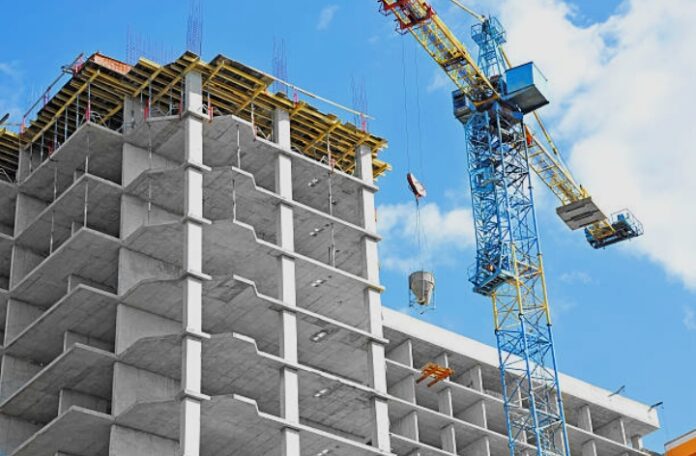
A 50-kilogramme bag of cement, which sold for about ₦7,500 in late 2025, now ranges between ₦11,500 and ₦15,000 depending on the location, prompting real estate developers to call for urgent government intervention. The spike comes amid record profits reported by cement manufacturers, which collectively earned ₦1.64 trillion in 2025.
Brandspur Banking News Desk reports that the surge in cement prices is accompanied by increases in other building materials, with steel rising about 20 percent, sharp sand by 25 percent, and wood and granite also recording moderate price hikes. Industry stakeholders have attributed the increases to global market dynamics, logistics challenges, and strong domestic demand.
Oba Akintoye Adeoye, President of the Real Estate Developers Association of Nigeria (REDAN), described the trend as “a troubling increase in the prices of essential building materials,” warning that the escalation is affecting affordable housing projects amid Nigeria’s existing housing deficit. He emphasised that cement accounts for a significant portion of construction costs, and rising prices are compounding financial pressures on developers.
Professor Olugbega Nubi, Director of the Centre for Housing and Environmental Sustainability at the University of Lagos, highlighted the strategic role of the construction sector in Nigeria’s economy, noting that it recently surpassed oil in GDP contribution. “Cement is a core construction input, and price hikes directly impact project costs and timelines,” Nubi said, stressing that rising material costs could lead to delays, cancellations, and increased housing prices for consumers.
Adeoye further warned that the financial strain could force some developers to cut corners, potentially compromising construction quality and safety. He called for stronger collaboration between government agencies, industry players, and stakeholders to stabilise material prices and ensure sustainable growth in Nigeria’s housing sector.
With the combined effect of rising cement, steel, sand, and other inputs, the sector is navigating a critical period where proactive policy measures are needed to prevent project suspensions and safeguard affordable housing initiatives.
The development underscores the urgent need for policy intervention and dialogue among manufacturers, developers, and regulators to ensure housing affordability and maintain momentum in Nigeria’s construction industry.
