




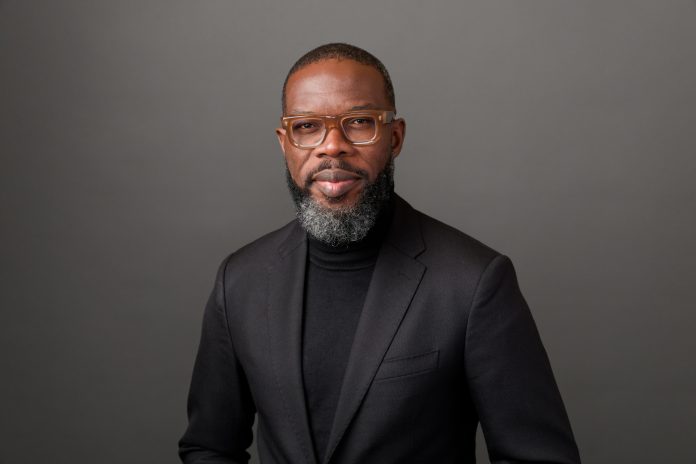
George Asamani, Managing Director, Project Management Institute,
Sub-Saharan Africa, has stated that volunteering is one of the most
effective ways to build capability, credibility, and leadership.
In a statement made available to the media, Asamani said,
“Volunteering is often framed as an act of goodwill rather than a
pathway to professional growth. This view misses an important point.
In many cases, volunteering is one of the most effective ways to build
capability, credibility, and leadership. April, designated as Global
Volunteer Month, provides a timely opportunity to reconsider a practice
that remains widely misunderstood, particularly in emerging markets.
Across Africa, the disconnect between education and employability
remains a persistent concern. According to the African Development Bank,
10–12 million young Africans enter the job market each year, yet
employers continue to cite gaps in experience, problem-solving skills,
and leadership readiness. The issue is not a lack of talent, but a lack
of exposure.
Traditional career paths, where progress depends on one’s level within
an organisation, do not always provide the range of experience needed in
a fast-changing economy.
Asamani said, “Volunteering, when approached with intention, can help
close this gap. It puts people in situations where they are given real
responsibility. This is evident across global professional communities,
including PMI, where just under 18,000 volunteers contribute to
initiatives that shape practice and build capability. In many ways, it
mirrors the pressures of formal roles without the delays that usually
accompany waiting for such opportunities. This is particularly relevant
for early and mid-career professionals.”
In traditional settings, leadership is often something people have to
wait for. It usually comes with senior roles, titles, and years of
experience, rather than readiness or potential. In volunteer
environments, however, people often step into leadership early. Managing
projects, working with teams, engaging stakeholders, and dealing with
challenges are part of the day-to-day experience. This creates faster
growth, which is hard to achieve in more rigid organisational
structures.
The absence of financial compensation is often cited as a deterrent. In
many contexts, where financial pressure is real, this concern is
understandable. But it also reflects a narrow view of value. The
benefits of volunteering may not be immediate, but they are significant.
It builds experience that sets you apart, creates networks that open
doors, and shows your ability to lead and deliver. Over time, these
advantages grow and compound.
Volunteering also helps build a different kind of professional network,
one that is less transactional and more lasting. These relationships are
built on shared purpose, not immediate gain. In markets where
professional systems are still developing, such networks can offer
mentorship, support, and opportunities that might otherwise be out of
reach.
There is also a broader point to consider. As African economies become
more connected to the global system, it is important not just to follow
standards but to help shape them.
Many of these standards are developed through collaboration, often by
professionals contributing their expertise rather than through formal
roles. Taking part in these processes allows individuals to go beyond
their immediate organisations and engage in wider professional
conversations.
It is worth noting that not all volunteering is created equal. The value
lies not in the act itself, but in the quality of the experience. Roles
that demand accountability, offer exposure to diverse perspectives, and
involve measurable outcomes contribute most meaningfully to personal and
professional growth. Approached in this way, volunteering becomes less
about giving time and more about making deliberate investments in
one’s development.
For individuals, the implications are straightforward. In an environment
where experience is often the most significant barrier to progression,
volunteering offers a practical way to overcome it. It allows
professionals to build a track record, test their capabilities, and
expand their horizons in ways that formal roles may not immediately
permit.
The broader implication is equally important. If more professionals
engage in meaningful volunteer work, the cumulative effect is a
stronger, more capable workforce, better equipped to navigate complexity
and drive project success. The question is not whether volunteering is
worthwhile. It is whether Africa can afford to overlook one of the most
accessible ways to build the experience its workforce urgently needs.
