



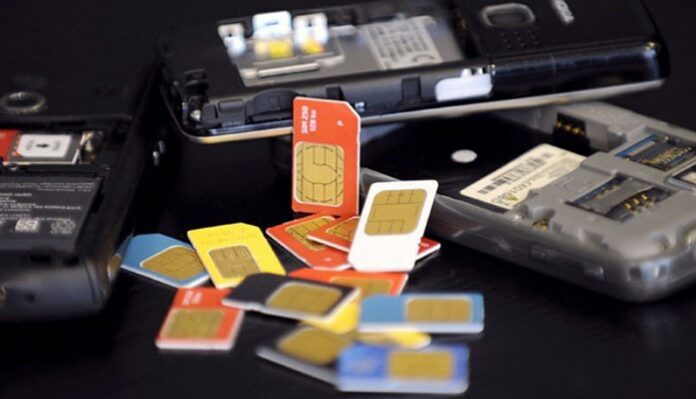
Nigeria’s ongoing debate over SIM card recycling and digital identity protection has intensified following renewed calls by lawmakers for the Nigerian Communications Commission to extend the SIM reassignment period to 18 months, in a bid to reduce fraud and improve subscriber safety.
The proposal seeks to address growing concerns over the risks associated with recycled mobile numbers, which are often linked to banking profiles, digital accounts, and identity verification systems even after reassignment to new users.
At the centre of the discussion is the balance between consumer protection and the operational realities of the telecommunications sector, where inactive SIM cards are routinely recycled due to numbering constraints and cost implications for operators.
Brandspur ICT News Desk reports that while the extension proposal is designed to reduce cases of identity theft, financial fraud, and unauthorised access to digital accounts, experts argue that the issue extends beyond reassignment timelines into deeper structural weaknesses within Nigeria’s digital identity ecosystem.
Industry stakeholders note that mobile numbers are increasingly tied to sensitive systems, including banking services, government databases, and social media platforms, creating a situation where recycled numbers may still carry traces of previous users’ digital identities.
Concerns have also been raised about the economic structure of SIM management, where telecom operators face regulatory and operational pressures that encourage quicker recycling of inactive numbers, thereby increasing the risk of incomplete data disconnection.
Experts warn that extending the reassignment period alone may not fully resolve the problem, stressing the need for a more comprehensive framework that ensures full digital unlinking of numbers across financial institutions, telecom databases, and online platforms before reassignment.
Proposed reforms include system-wide identity delinking protocols, real-time risk classification of recycled numbers, improved subscriber notification systems, and stronger coordination between regulatory bodies overseeing telecommunications, financial services, and data protection.
As Nigeria’s digital economy continues to expand, stakeholders emphasise that mobile numbers have effectively become core identity tools, making SIM lifecycle management a critical component of national data security and financial system integrity.
The debate is expected to continue as regulators and policymakers weigh the trade-offs between operational efficiency and the growing need for stronger safeguards in the country’s rapidly evolving digital ecosystem.
