



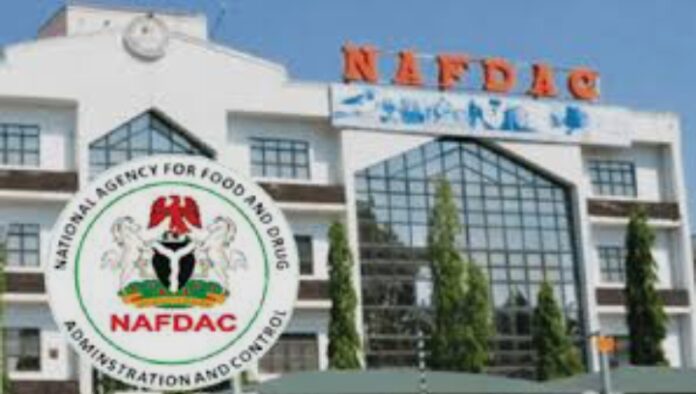
The National Agency for Food and Drug Administration and Control (NAFDAC) has introduced an enhanced version of its Med Safety digital platform aimed at improving how healthcare workers and members of the public report suspected fake, substandard medicines and harmful drug reactions in Nigeria.
The upgraded system, built around the Med Safety App, is designed to make it faster and more secure for users to submit reports on falsified or poor-quality medical products, as well as document adverse drug reactions that occur after treatment.
Brandspur Brand News reports that the redesigned platform forms part of the agency’s broader strategy to strengthen post-market surveillance, improve drug safety monitoring, and enhance early detection of dangerous medical products circulating within communities.
According to regulatory information, the digital upgrade introduces a simplified reporting interface, improved data handling systems, and stronger feedback channels to ensure users receive responses on submitted cases. It also allows individuals to upload images and detailed descriptions of suspected products to support investigation and verification processes.
The agency noted that substandard and falsified medicines remain a serious public health concern, contributing to treatment failure, prolonged illness, rising antimicrobial resistance, long-term disability, and avoidable deaths across the country.
Through the improved reporting system, users can flag suspicious drugs showing signs such as altered expiry dates, questionable packaging, missing registration details, or unexpected treatment outcomes. It also captures reports of adverse reactions including allergies, unusual side effects, and other harmful responses following medication use.
Officials explained that data collected through the platform will assist in identifying unsafe products more quickly, strengthening regulatory enforcement, guiding policy decisions, and supporting the removal of harmful medicines from circulation.
NAFDAC has urged healthcare professionals, pharmacists, community health workers, and the general public to actively engage with the platform and remain vigilant in reporting suspicious pharmaceutical products. It also reiterated the importance of purchasing medicines only from approved and licensed outlets.
The agency emphasised that public participation remains critical in curbing the spread of counterfeit medicines and ensuring safer healthcare delivery nationwide, particularly as Nigeria continues to battle the risks posed by unregulated pharmaceutical distribution.
