




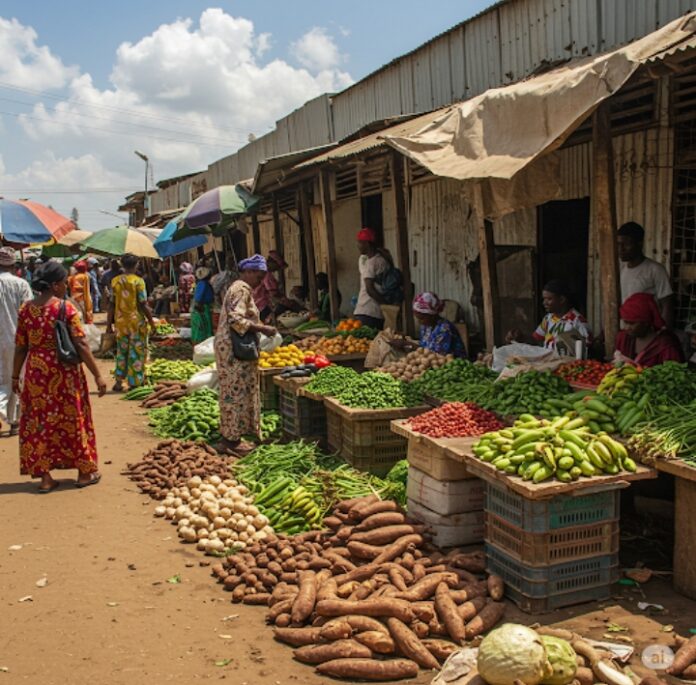
Nigeria is facing a dual food challenge as worsening food inflation continues to reduce access to nutritious meals while unsafe food consumption is linked to an estimated 53,000 deaths and nearly 50 million illnesses each year, according to fresh disclosures by federal health authorities and recent food price data.
The latest figures highlight mounting pressure on households already grappling with elevated living costs. Across the country, many families are increasingly adjusting their diets, reducing portions, cutting protein intake and opting for cheaper food alternatives as the prices of essential staples continue to rise.
Recent market data show that the cost of key food items including tubers, beans, eggs, rice, vegetables and animal protein increased further between December 2025 and March 2026, stretching household budgets and forcing consumers to make difficult nutritional choices.
Brandspur Banking News Desk reports that the growing affordability challenge is now intersecting with broader public health concerns, as regulators warn that poor food safety practices and contaminated food products continue to impose a heavy burden on Nigeria’s healthcare system and economic productivity.
Health officials disclosed that foodborne diseases remain a significant public health threat, with young children accounting for the majority of the burden. Diarrhoeal illnesses linked to contaminated food and water sources continue to rank among the leading causes of sickness and preventable deaths, particularly among vulnerable populations.
The Federal Ministry of Health and Social Welfare said updated assessments indicate that millions of Nigerians are exposed annually to harmful pathogens commonly associated with food contamination. Authorities also expressed concern about chemical hazards, including exposure to contaminants that can have long-term health consequences.
The inflationary environment has further complicated the situation. Rising prices have altered consumer behaviour, with many households increasingly prioritising quantity over nutritional quality. Nutrition experts warn that prolonged reliance on low-cost, energy-dense foods may contribute to deficiencies in essential nutrients, particularly among children, pregnant women and low-income families.
Food inflation has remained a significant concern despite broader efforts to stabilise consumer prices. Data from recent months indicate continued increases in several staple categories, including beans, yam, potatoes, eggs and vegetables, reducing purchasing power and making balanced diets less affordable for many Nigerians.
Public health specialists note that malnutrition is not always immediately visible and can develop gradually when diets lack adequate protein, vitamins and minerals. The consequences may include weakened immunity, impaired cognitive development and reduced productivity over time.
In response, federal authorities say they are strengthening food safety surveillance, improving outbreak detection systems and implementing measures aimed at reducing food-related health risks. Regulatory agencies are also advancing policies targeting excessive sodium, industrial trans fats and other dietary risk factors associated with non-communicable diseases.
Nigeria has in recent years expanded collaboration among health regulators, food safety agencies and development partners to improve monitoring and enforcement across the food value chain. Officials say these efforts are intended to reduce preventable illnesses while strengthening consumer confidence in food products sold across the country.
Experts argue that addressing the challenge will require a combination of stronger food safety enforcement, improved public awareness, increased agricultural productivity and policies that enhance access to affordable, nutritious food. As economic pressures persist, the ability of households to maintain healthy diets is expected to remain a critical issue for both public health and national development throughout 2026.
