



South Africa’s annual inflation rate accelerated to 4.5% in May 2026, up from 4.0% recorded in April, as rising fuel costs linked to geopolitical tensions in the Middle East added fresh pressure to consumer prices and complicated the country’s monetary policy outlook.
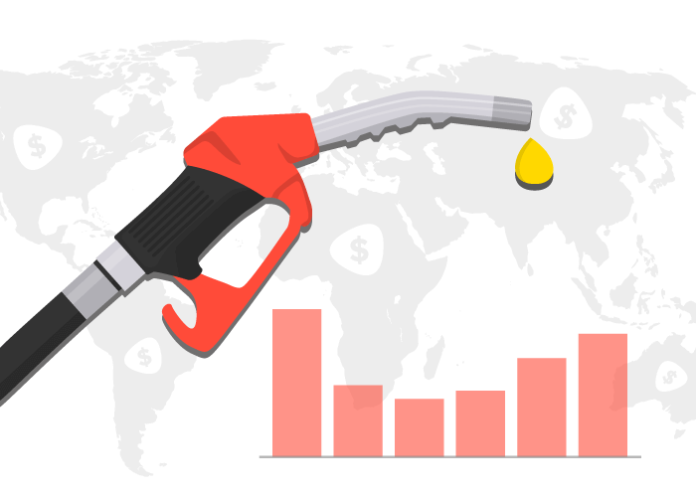
New data released by Statistics South Africa showed that prices increased by 0.7% on a monthly basis in May, with transport expenses and housing-related costs emerging among the biggest contributors to headline inflation. The increase reflects the impact of higher global oil prices and the spillover effect on broader sectors of the economy.
Transport inflation climbed sharply to 9.4%, driven largely by increased fuel prices, while housing and utility costs posted annual inflation of 5.3%. Insurance and financial services also recorded notable price increases, adding to overall inflationary pressures.
Brandspur Banking News Desk reports that inflation for goods rose to 4.4% in May from 3.4% a month earlier, while services inflation edged higher to 4.7%. Core inflation, which excludes food and energy prices, stood at 3.8%, indicating that underlying price pressures remain relatively contained despite the surge in energy-related costs.
The latest figures come as the South African Reserve Bank continues to monitor inflation risks following a shift in monetary policy. The central bank targets inflation at 3%, with a one-percentage-point tolerance range on either side of that target.
Policymakers raised interest rates in May for the first time in three years and are scheduled to review monetary policy again on July 23. Analysts are closely watching whether continued increases in fuel prices and heightened geopolitical uncertainty could prompt further policy tightening later in the year.
The inflation uptick mirrors wider global trends, with rising energy prices affecting economies across different regions. In Africa, Nigeria also recorded an increase in headline inflation in May 2026, highlighting the persistence of price pressures among the continent’s largest economies.
South Africa is simultaneously facing mounting labour market challenges, with unemployment rising to 32.7% in the first quarter of 2026. The combination of elevated inflation and weakening employment conditions underscores the difficult balancing act confronting policymakers as they seek to preserve price stability and support economic growth.
