




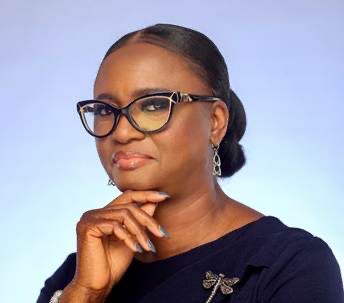
Shell has appointed Elohor Aiboni as Executive Vice President and Country Chair for Nigeria, making her the first Nigerian and the first woman to occupy the combined leadership position in the company’s more than 60 years of operations in the country.
The appointment, which takes effect on August 1, 2026, marks a significant leadership transition for the energy giant as it advances key investments aimed at strengthening Nigeria’s oil and gas sector. Aiboni succeeds Marno de Jong, who is retiring after a 34-year career with Shell.
With more than two decades of experience within the Shell Group, Aiboni has held senior technical and operational roles across Nigeria, Kazakhstan and Brunei, building expertise in offshore, shallow-water and onshore operations. Her elevation comes after serving as Asset Director at Brunei Shell Petroleum, where she oversaw production performance and project delivery.
Brandspur Brand News reports that Aiboni previously made history in 2021 when she became the first female Managing Director of Shell Nigeria Exploration and Production Company Limited. During her tenure, the company’s flagship Bonga deepwater asset achieved the milestone of producing its one-billionth barrel of crude oil while maintaining stable operations.
Industry stakeholders view her return to Nigeria as strategically important as Shell pushes ahead with major projects, including the Bonga North development and offshore gas investments designed to support increased energy production and long-term growth.
Outgoing Country Chair Marno de Jong led Shell’s Nigerian operations through a period of transformation, helping to drive investment decisions and maintain performance across key assets. His departure closes a chapter that saw the company pursue expansion initiatives despite evolving challenges in the energy sector.
Aiboni is expected to build on those gains while strengthening Shell’s presence in one of Africa’s largest oil-producing nations. Her appointment also underscores the growing prominence of Nigerian professionals in global energy leadership and highlights increasing diversity in top corporate positions within the international oil and gas industry.
The leadership change comes at a crucial time for Shell as it seeks to deepen investments, expand production capacity and reinforce its long-standing role in Nigeria’s energy landscape. Beyond its business significance, the appointment represents a landmark moment for local representation and female leadership in one of the world’s biggest energy companies.
