



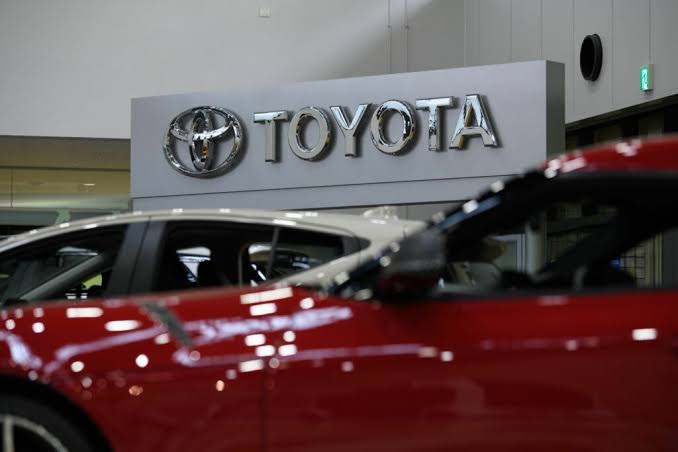
Toyota South Africa has acknowledged that it can no longer compete with Chinese automotive manufacturers in the country’s entry-level new vehicle market, citing the rapid rise of Chinese brands that have reshaped consumer buying patterns and intensified price competition.
The company said the affordability segment has shifted significantly in recent years, with Chinese manufacturers attracting first-time buyers and motorists who previously opted for used vehicles by offering competitively priced new models packed with modern features.
Toyota explained that this changing market landscape influenced the positioning of the latest sixth-generation RAV4, which has been moved further into the premium sport utility vehicle segment rather than competing directly on price. Brandspur Brand News understands the strategy reflects Toyota’s decision to focus on higher-value offerings instead of engaging in an increasingly competitive low-cost market dominated by emerging Chinese brands.
Also read: https://brandspurng.com/2026/07/14/masterchef-nigeria-davids-masterchef-dream-boils-over/
The latest RAV4 range is priced from R770,500 for the entry-level hybrid model to R1,043,900 for the flagship plug-in hybrid variant. Toyota said the model has been refined to appeal to buyers seeking more premium features and advanced electrified powertrains.
The growing influence of Chinese manufacturers has become increasingly evident across South Africa’s automotive industry. Industry data shows Chinese brands now account for more than 19% of new passenger and light commercial vehicle sales, while recent market reports indicate their sales expanded by about 75% year-on-year during the first quarter of 2026.
Chinese automakers also dominate South Africa’s affordable new energy vehicle segment, supplying both the country’s least expensive electric vehicle and the lowest-priced plug-in hybrid currently available.
Toyota also addressed questions about electric vehicle charging infrastructure, stating it has equipped its dealership network with charging facilities but does not intend to build a nationwide public charging network. The company believes expanding public charging infrastructure should remain the responsibility of independent providers, arguing that such investments become commercially complicated when manufacturers must decide whether to allow rival brands to use their facilities.
Despite the infrastructure challenge, Toyota continues expanding its electrified vehicle portfolio in South Africa, recently introducing the all-electric bZ4X alongside the new RAV4 lineup as it strengthens its presence in the country’s evolving new energy vehicle market.
