




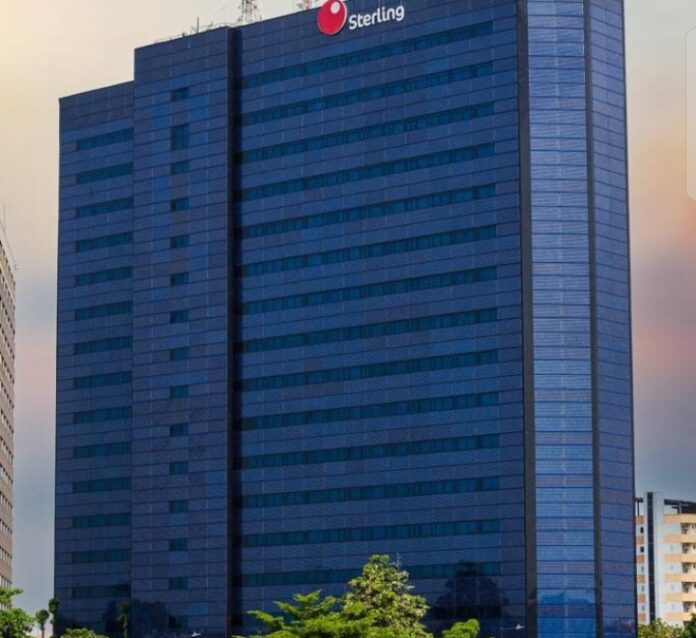
Sterling Bank has strengthened its commitment to sustainable finance by partnering with the Financial Institutions Training Centre (FITC) to convene regulators, financial institutions, corporate leaders and development partners at the 2026 FITC Sustainability and ESG Conference in Lagos. The gathering focused on advancing environmental, social and governance (ESG) practices while unlocking capital for Africa’s climate and development priorities.
The conference examined strategies to expand sustainable financing, improve governance standards and encourage greater domestic investment in climate-resilient projects. Participants agreed that stronger collaboration between financial institutions, policymakers and private investors is essential to addressing the continent’s growing infrastructure and climate financing needs.
Discussions also highlighted the increasing importance of ESG principles in shaping business decisions and long-term economic growth across Africa, with Brandspur Banking News Desk reporting that industry leaders called for practical implementation rather than policy discussions alone.
Stakeholders noted that Africa’s youthful population and abundant natural resources present significant opportunities for sustainable development if supported by effective governance, responsible investment and long-term planning. Participants urged organisations to embed sustainability into their core business strategies to build resilient institutions and competitive economies.
Attention also turned to the financing gap confronting climate action across the continent. Data presented during the conference indicated that multilateral climate funds account for only a small share of Africa’s climate finance, underscoring the need for stronger domestic capital mobilisation and innovative financing instruments.
Officials advocated wider adoption of green bonds, sustainability-linked loans and other financing mechanisms capable of supporting Nigeria’s target of achieving net-zero carbon emissions by 2060. Financial institutions were encouraged to integrate environmental risks into lending and investment decisions to improve long-term resilience.
Nigeria is pursuing an ambitious green financing agenda aimed at attracting blended capital to close its estimated climate funding gap. Speakers stressed that regulatory support and coordinated action between government, the private sector and development organisations will be critical to scaling sustainable investments.
The conference concluded with renewed commitments from financial institutions, regulators and development partners to deepen collaboration, strengthen ESG adoption and mobilise local capital to support inclusive economic growth and accelerate Africa’s transition to a more sustainable future.
