




The Federal Government has commenced training for the first batch of 5,000 electricity meter installers under its Power Force programme after receiving nearly 220,000 applications from young Nigerians seeking to participate in the initiative designed to support the nationwide deployment of smart electricity meters and strengthen the country’s power sector workforce.
The training programme was officially launched at the National Power Training Institute of Nigeria (NAPTIN) headquarters in Abuja, where successful candidates began a three-week intensive course combining classroom learning with practical field experience before deployment to various locations across the country.
The initiative forms part of the Federal Government’s broader strategy to address Nigeria’s persistent metering deficit while creating technical employment opportunities for young people. Brandspur Brand News reports that the programme is expected to produce certified installers capable of supporting the expansion and maintenance of smart electricity metering infrastructure nationwide.
Chairman of the Presidential Metering Initiative (PMI) Board and Governor of Kwara State, Abdulrahman Abdulrazaq, represented at the event by Edmund Obiora Nnaji, Executive Director of Finance and Administration at the Nigeria Governors’ Forum, said the programme is intended to improve access to technical skills while contributing to reforms in the electricity sector.
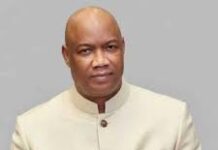
Minister of Power Joseph Tegbe said the success of the country’s ambitious metering rollout depends on developing a pool of qualified technicians who can install, maintain and support smart meters across Nigeria. He noted that the newly trained installers would play a critical role in sustaining the government’s long-term metering expansion plans.
Special Adviser to the President on Energy and Executive Secretary of the Presidential Metering Initiative, Olu Verheijen, described the initiative as the largest electricity metering programme undertaken in Nigeria, adding that its objective is to improve billing accuracy by ensuring electricity consumers are charged based on actual consumption rather than estimated billing.
The training exercise follows the Federal Government’s earlier announcement of plans to equip 5,000 young Nigerians, including members of the National Youth Service Corps (NYSC), with specialised skills in electricity meter installation and maintenance as part of wider reforms aimed at modernising the power sector and creating jobs.
The programme also supports the government’s target of deploying seven million smart electricity meters across the country to reduce estimated billing, improve transparency in electricity billing and enhance revenue collection by electricity distribution companies.
Implementation of the wider metering programme has, however, encountered legal challenges. Earlier this year, a court injunction obtained by the Association of Meter Manufacturers of Nigeria (AMMON) halted the opening of bids for the international procurement of 1.55 million smart meters under the World Bank-backed Distribution Sector Recovery Programme (DISREP), raising concerns about possible delays.
According to the latest data released by the Nigerian Electricity Regulatory Commission (NERC), Nigeria had 6,966,584 metered electricity customers at the end of 2025, representing a national metering rate of 57.27 percent. Despite the progress, about 5.19 million active electricity customers remained on estimated billing, underscoring the scale of the challenge the new initiative is expected to address.
