




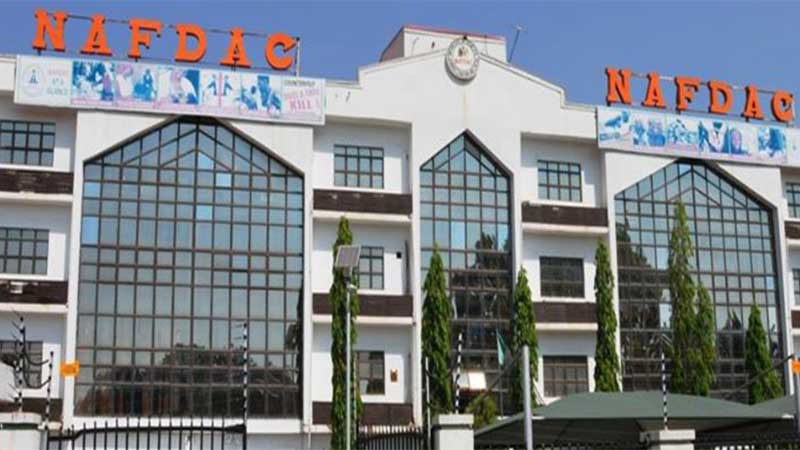
Nigeria is stepping up efforts to protect millions of people from counterfeit and poor-quality vaccines, with the National Agency for Food and Drug Administration and Control (NAFDAC) and Obafemi Awolowo University (OAU) joining a £3.7 million international research project led by the University of Oxford.
The three-year initiative, funded through the United Kingdom’s Medical Research Council (MRC) Developmental Pathway Funding Scheme, will focus on developing and testing advanced technologies capable of detecting substandard, degraded and falsified vaccines before they reach patients. The project brings together researchers and regulators from Nigeria, the United Kingdom, Thailand and other partner institutions to strengthen vaccine safety across global supply chains.
For Nigeria, the significance goes beyond scientific research. As the country continues to expand immunisation programmes, ensuring that every vaccine administered meets quality standards has become increasingly important. Brandspur Banking News Desk reports that the partnership is expected to improve post-market surveillance, enhance laboratory testing of vaccine batches and support faster, evidence-based regulatory decisions.
The collaboration builds on work previously carried out by the Vaccine Identity Evaluation Consortium, established during the COVID-19 pandemic to tackle the growing challenge of counterfeit and compromised vaccines. The latest phase aims to refine existing screening technologies and assess how well they perform under real-world conditions within Nigeria’s vaccine distribution network.
The international consortium also includes the UK Medicines and Healthcare products Regulatory Agency, the University of East London, the Mahidol Oxford Tropical Medicine Research Unit in Thailand and other research organisations working to strengthen medicine quality monitoring worldwide.
The project comes at a time when concerns over falsified medical products continue to grow. According to the World Health Organization, one in every 10 medicines circulating in low- and middle-income countries is either substandard or falsified, resulting in an estimated global economic loss of about $30.5 billion each year. Poor-quality medicines also undermine public confidence in healthcare systems and can lead to preventable illness and death.
The initiative is expected to support Nigeria’s expanding vaccination programmes by improving the ability to verify vaccine quality throughout the supply chain, reducing the circulation of fake vaccines and reinforcing confidence in immunisation efforts.
NAFDAC has intensified its campaign against counterfeit medical products in recent months. Earlier this year, the agency seized millions of doses of fake malaria medicines and cosmetic products valued at about ₦3 billion in Lagos, destroyed counterfeit and expired drugs worth more than ₦939 million in Anambra State, and issued public alerts over falsified pharmaceutical products circulating within the country. The latest international partnership is expected to strengthen those ongoing efforts while helping safeguard public health through improved vaccine quality monitoring.
