


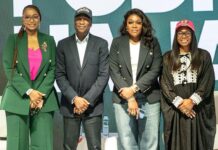

The Out-of-Home Advertising Association of Nigeria has called for urgent legal safeguards to shield billboard operators from politically motivated regulations as the country prepares for another campaign season, warning that sudden state-imposed permit fees and restrictive rules threaten the industry’s neutrality and commercial viability.
The demand took centre stage at the association’s 41st Annual General Meeting held in Abeokuta, Ogun State, from August 6 to 8, 2026, where advertising executives, regulators, and marketing professionals gathered under the theme “OOH Media in Political Campaign Season: Policies, Politics, and Fair Practice.”
OAAN President Sola Akinsiku framed the gathering as part of a deliberate push to move outdoor advertising away from informal, one-off arrangements toward a structured professional practice built around what he described as “the sanctity of the industry we serve.” He also highlighted progress on a nationwide audience measurement initiative designed to provide operators with credible data on billboard visibility and reach.
Brandspur Brand News gathered that the meeting’s keynote speaker, Dr Theodore Ekechi, chairman of the Marketing & Media Group, traced the origins of political billboard advertising in Nigeria to 1963, when the Action Group deployed skywriting during rallies. He argued that outdoor advertising remains the most effective channel for reaching voters, citing studies showing exposure levels as high as 94 percent in some states.
Ekechi directed sharp criticism at state governments that impose sudden and costly permit fees on billboard operators once elections draw near, describing such practices as favouring incumbent parties while effectively silencing opposition voices. He urged that OAAN’s proposed Charter be signed into law to give the association stronger standing to defend members from state pressure.
That legislative push received a significant boost during the event. Otunba Ayodele Olumoko, representing the Ooni of Ife, Oba Adeyeye Enitan Ogunwusi, informed delegates that the Senate had already passed the OAAN Charter bill and that presidential assent was expected soon.
The regulatory landscape also came under scrutiny. Dr Olalekan Fadolapo, Director-General of the Advertising Regulatory Council of Nigeria, called on state-level signage agencies to align their regulations with national advertising standards to reduce conflicts that have long frustrated operators navigating multiple layers of bureaucracy.
On the financial front, Dozie Okafor, president of the Media Independent Practitioners Association of Nigeria, addressed the industry’s perennial complaints about unpaid invoices. He urged members to distinguish between genuinely overdue payments and obligations that simply have not yet matured, noting that some debt figures circulating in industry discussions are inflated by invoices not due for months.
Tolulope Medebem, president of the Experiential Marketers Association of Nigeria, closed the discussions with a call for a level playing field among political actors using outdoor media, emphasising that the standards the industry establishes now will outlast any single election cycle.
The meeting’s platinum sponsor, FPL Media, supported the three-day gathering that has become a crucial platform for shaping the future of Nigeria’s out-of-home advertising sector. With the 2027 general elections approaching, the industry’s push for legal protection and regulatory clarity carries heightened urgency for operators whose billboards have historically become battlegrounds during political contests.
