



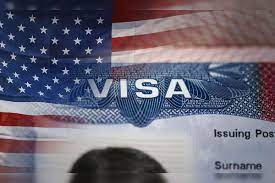
Nigerians applying for United States visas have been advised to complete all required medical examinations and assemble supporting documents well ahead of their scheduled interview dates to avoid delays or outright disqualification.
The guidance, issued through official channels, comes as visa application volumes continue to surge and appointment slots remain highly competitive across Nigeria. Applicants who arrive at interviews without the necessary paperwork or medical clearance risk having their cases suspended or requiring rescheduling, a process that can add months to an already lengthy waiting period.
For many Nigerian applicants, the medical examination requirement applies to immigrant visa categories and involves screenings conducted only at approved facilities. The checks typically cover communicable diseases, vaccination status, and other health criteria established by US immigration law. Failing to complete these checks before the interview can stall the entire application.
Brandspur Politics understands that the advisory also emphasises the importance of organising civil documents such as birth certificates, marriage certificates, police clearance reports, and academic or employment records in advance. Incomplete documentation remains one of the most common reasons visa interviews end without approval, forcing applicants back into the queue.
The stakes are high for Nigerians seeking to travel for education, work, family reunification, or medical care. The US remains a leading destination, with thousands of Nigerians applying each year across visa categories. Embassy and consulate operations in Lagos and Abuja continue to process significant caseloads, but the burden on applicants to arrive prepared has never been greater.
Immigration consultants have long cautioned that the period between receiving an interview date and the actual appointment should be treated as a preparation window, not a waiting period. Medical examinations can take days or weeks to complete depending on the facility, and obtaining certain documents from government agencies may involve bureaucratic delays.
Applicants who fail to meet requirements on interview day often face administrative processing, which can extend timelines indefinitely. The advisory serves as a reminder that the responsibility for readiness rests squarely with the applicant, regardless of how long they have waited for an appointment.
The guidance also carries particular weight for those whose applications have been pending for extended periods. In some cases, medical results or police certificates obtained earlier may expire, requiring fresh submissions. Applicants are encouraged to verify the validity of every document in their possession before the interview date.
For families, the preparation burden multiplies. Each member scheduled for interview typically requires individual documentation, medical clearance where applicable, and supporting evidence specific to their visa category. Missing even one child’s records can disrupt an entire family’s application timeline.
The advisory does not signal any change in US visa policy but rather reinforces existing requirements that have long been part of the application process. Yet for many Nigerians navigating the system for the first time, clear guidance on sequencing medical checks and document preparation can make the difference between a smooth interview and a costly delay.
