




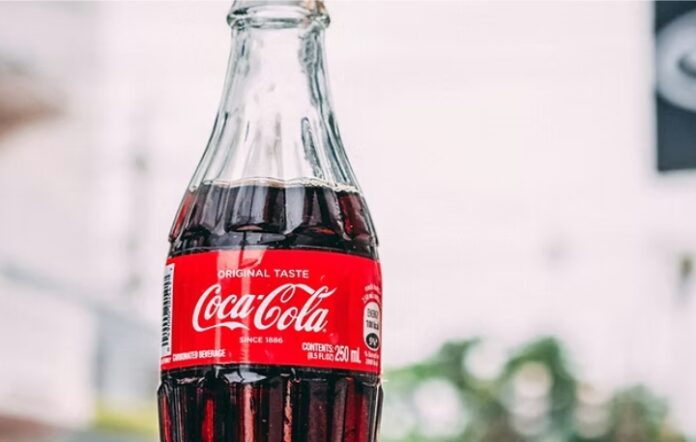
Coca-Cola’s growing interest in functional beverages is highlighting a major change in what consumers expect from their everyday drinks, with health, wellness and added benefits increasingly competing with traditional priorities such as taste and refreshment.
The shift reflects growing consumer interest in beverages containing fibre, prebiotics, vitamins, electrolytes and other functional ingredients, alongside continued demand for reduced-sugar options. Younger consumers, in particular, are increasingly paying closer attention to what their drinks contain and the benefits they may provide.
Brandspur Brand News reports that the development could have wider implications for the FMCG industry, as major beverage companies respond to changing attitudes towards everyday consumption and wellness.
For decades, beverage competition centred largely on flavour, convenience, availability, pricing and strong brand identity. That equation is changing as consumers increasingly ask whether a drink can do more than quench thirst.
The emerging opportunity spans several areas, including hydration, energy, protein, digestive wellness and nutritional supplementation. For manufacturers, however, success will depend on combining those benefits with taste, affordability and consumer trust.
The debate was recently highlighted by FMCG executive S. R. K. R. in a LinkedIn post discussing Coca-Cola’s movement towards functional beverages. His argument that changing consumer behaviour is driving innovation attracted responses from other industry professionals, including Fiona Liebehenz, who noted that functionality alone may not be enough and that successful products will also need trust, emotional appeal and credible evidence.
The development could eventually reshape beverage shelves in markets such as Nigeria, where consumers and FMCG companies are increasingly exposed to global food and beverage trends. But moving functional drinks from niche products into mainstream consumption will depend heavily on price, accessibility, taste and whether consumers believe the promised benefits.
For beverage manufacturers, the message is clear: the competition is no longer solely about winning the next purchase when consumers are thirsty. It is increasingly about becoming part of their everyday health and wellness routines.
Coca-Cola’s direction therefore offers a wider signal for the industry. As consumer expectations evolve, today’s specialist wellness beverage could become tomorrow’s mainstream FMCG category.
