




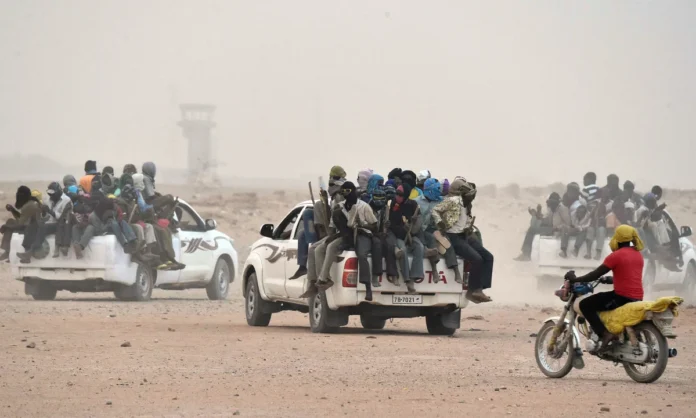
Nigerians and other West Africans seeking opportunities abroad have been urged to avoid irregular migration routes through Libya, amid reports of detention, assault, extortion and other forms of abuse allegedly suffered by migrants in the North African country.
The warning centres on the risks faced by Nigerians, Cameroonians, Ghanaians and other black Africans who travel to Libya through irregular routes in search of jobs and better living conditions. Reports of migrants being held in unofficial detention facilities, subjected to forced labour and targeted for ransom have raised serious concerns about the dangers associated with the journey.
Brandspur Brand News reports that Libya, whose capital is Tripoli, has a population of about 7.3 million and uses the Libyan dinar as its currency. The country is predominantly Muslim, with Arabic as its main language, and has a long history of political instability and conflict that has left parts of the country affected by armed violence and unexploded remnants of war.
Among the concerns raised is the treatment of migrants after they arrive in the country. Some Nigerians reportedly become vulnerable to individuals or groups who allegedly detain them and contact relatives in their home countries to demand ransom for their release. Where families cannot raise the required money, migrants may reportedly be forced into labour, including jobs such as bricklaying and car washing.
Women are also described as particularly vulnerable to sexual violence and exploitation along the route. Reports cited cases in which female migrants were allegedly subjected to repeated sexual assault by multiple attackers, with some facing abuse after being taken into unofficial detention locations.
The risks are not limited to detention and exploitation. Migrants travelling through desert routes towards Libya also face the danger of death, while some people who survive the journey reportedly arrive with serious injuries. Accounts referenced cases of migrants sustaining gunshot wounds to their legs, abdomen and chest.
Libya’s security environment adds another layer of concern for people travelling without established legal protection or support. The situation has made irregular migrants particularly vulnerable because many do not have the resources, documentation or institutional protection needed to seek help when they encounter abuse.
The search for employment remains one of the reasons some Nigerians take the Libya route. Available work may include low-skilled jobs such as construction, car washing and food sales, but the conditions described by migrants suggest that employment opportunities can come with significant personal and security risks when people lack legal status or protection.
The concerns extend beyond Nigerians, with Cameroonians, Ghanaians and other black African migrants also reportedly exposed to similar risks. Some migrants are said to spend years in Libya after becoming trapped by financial difficulties, detention or the inability to raise money for onward travel.
For Nigerians considering the route, the alternative being urged is legal migration, including saving towards the cost of air travel, obtaining the necessary documents and travelling through recognised channels rather than relying on dangerous desert crossings.
The central concern remains the vulnerability of migrants once they enter an environment where they may have limited legal protection, making the decision to use irregular routes potentially expose them to detention, exploitation, violence and ransom demands.
