




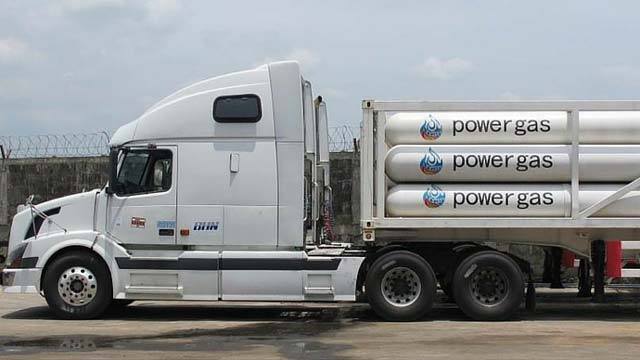
Nigeria has licensed 81 companies to retail compressed natural gas (CNG), marking a major expansion of the distribution network as the Federal Government works to make the cheaper fuel alternative more accessible to motorists.
The Director-General of the National Automotive Design and Development Council (NADDC), Oluwemimo Joseph Osanipin, disclosed the latest figure on Wednesday, August 27, 2026, after meeting President Bola Tinubu at the Presidential Villa in Abuja.
CNG currently sells for N380 per standard cubic metre (SCM) for cars and passenger buses, while heavy-duty vehicles and lorries pay N450 per SCM. The sharp increase in the number of licensed retailers is expected to improve availability as more filling stations and refuelling facilities come on stream, the Brandspur Banking News Desk reports.
Osanipin, however, acknowledged that the expansion would not translate into immediate nationwide access. He said further investment was still needed in filling stations, mobile refuelling units and gas production facilities before more Nigerians could benefit from the alternative fuel.
The potential savings are already being seen in areas where CNG is available. Osanipin cited the case of a motorist travelling through Jigawa and Kano who switched to CNG in Kano and reportedly reduced the fuel cost of the journey from more than N200,000 to about N40,000.
The NADDC chief also raised concerns about fleet operators benefiting from lower operating expenses without passing the savings on to passengers and other consumers. He indicated that ensuring Nigerians benefit from those reduced costs would become a priority as the CNG network develops.
Beyond CNG, the government is also working to expand electric vehicle infrastructure, with facilities reportedly established at about 16 universities. Osanipin further confirmed that the first batch of electric vehicles promised by President Tinubu for civil servants had been delivered.
The Federal Government’s CNG and electric vehicle initiatives form part of its broader effort to transform Nigeria’s automotive sector while providing alternatives that can help reduce transport costs.
