




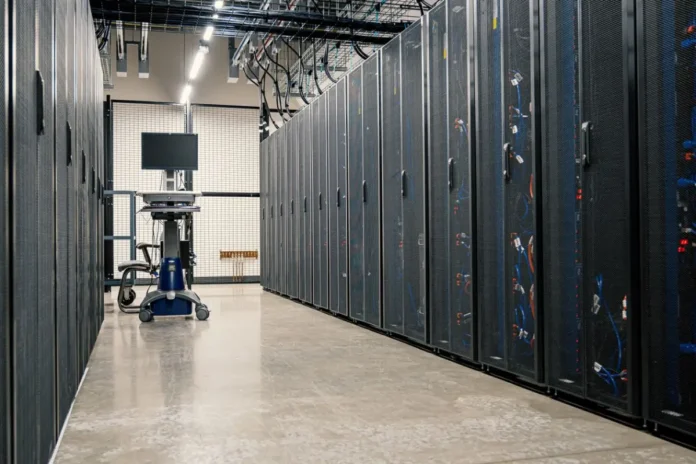
Oracle is preparing to establish a cloud region in Nairobi, Kenya, as demand for data storage, artificial intelligence computing and locally hosted digital infrastructure continues to increase across Africa.
The planned expansion by Oracle Cloud is expected to give businesses and organisations in Kenya greater access to cloud computing services hosted within the country, supporting the growing need for digital resources as companies adopt more technology-driven operations.
The development comes amid increasing competition among global technology companies to expand their cloud infrastructure across African markets, where businesses are seeking reliable platforms to store information, run applications and develop artificial intelligence solutions.
Read also: Oracle Cuts 21,000 Jobs Worldwide As AI Reshapes Workforce In 2026
The Brandspur Brand News Desk reports that Oracle’s planned Nairobi expansion reflects the growing importance of local cloud infrastructure to Africa’s digital economy, particularly as organisations seek computing resources that can support increasingly complex business and technological requirements.
What Oracle’s Nairobi Cloud Region Means For Kenyan Businesses
Cloud computing allows businesses to access computing power, software and data storage through remote infrastructure rather than relying entirely on their own physical servers. Companies can use these services to manage customer information, operate digital platforms, process transactions and run applications without having to build and maintain extensive data infrastructure themselves.
For Kenyan businesses, the availability of locally hosted cloud services could provide additional options for managing digital operations. Financial institutions, telecommunications companies, retailers, technology startups and other organisations increasingly depend on cloud infrastructure to support their services.
Why Oracle’s Move Matters For AI Development
The proposed Nairobi cloud region is also significant for companies exploring artificial intelligence. Developing and operating AI applications requires substantial computing resources, particularly when organisations work with large datasets or use advanced models that demand considerable processing capacity.
Having access to cloud infrastructure within the country could help businesses obtain the computing resources needed for these activities while expanding the range of digital services available in the local market.
Artificial intelligence is becoming increasingly relevant to sectors such as banking, healthcare, logistics, education and telecommunications. Businesses are exploring applications that can automate repetitive tasks, analyse information, improve customer service and support decision-making.
However, the availability of computing infrastructure remains an important part of that transition. Without adequate data storage and processing capacity, organisations may struggle to develop and deploy more sophisticated digital products.
Oracle’s planned expansion therefore comes at a time when Africa’s technology ecosystem is placing greater emphasis on the infrastructure required to support the next phase of digital adoption.
Benefits For Startups And Large Organisations
For small businesses and startups, access to cloud services can reduce the need for significant upfront investment in physical computing equipment. Instead of purchasing and maintaining their own servers, companies can obtain computing resources through cloud providers, depending on their operational requirements.
This arrangement can also make it easier for businesses to expand their digital operations as customer numbers and data requirements increase.
Larger organisations, meanwhile, can use cloud infrastructure to support more complex operations, including enterprise applications, financial processing, data analytics and artificial intelligence development.
The location of cloud infrastructure is another consideration for businesses. Locally hosted services can offer organisations additional options when managing where their data is stored and processed, although the specific benefits depend on the provider’s services, network arrangements and applicable regulations.
Kenya has become an important market in Africa’s technology landscape, with Nairobi serving as a centre for businesses operating in financial technology, telecommunications, digital services and innovation.
The planned Oracle facility could strengthen the country’s position as a destination for investment in digital infrastructure, while giving organisations another major provider to consider when selecting cloud services.
Power Supply: The Challenge Facing Data Centres
Nevertheless, expanding data centre infrastructure also presents challenges that extend beyond technology investment.
Data centres require reliable electricity supplies to operate their servers and cooling systems. As computing demand increases, particularly with the expansion of artificial intelligence, the amount of electricity required to support digital infrastructure can become a significant consideration for governments and investors.
This issue featured prominently in discussions surrounding another proposed data centre development in Kenya.
In comments on the announcement, cybersecurity analyst Daniel M. raised concerns about the country’s ability to supply enough electricity to support large-scale data centre investments. He referred to the delayed Microsoft data centre project associated with Kenya’s Olkaria geothermal development as an example of the energy requirements facing the sector.
He also distinguished between the availability of graphics processing units (GPUs), which are essential for many AI computing workloads, and the electricity needed to operate them. More computing capacity does not eliminate power constraints; it can increase electricity consumption and cooling requirements.
His comments highlight an important consideration for Kenya as it seeks to attract more investment from international technology companies.
Data centres cannot operate on computing equipment alone. They require dependable power infrastructure, effective cooling systems and reliable network connectivity. Any expansion in capacity must therefore be considered alongside the country’s ability to support the additional energy demand.
For governments across Africa, the challenge is to attract technology investment while ensuring that electricity and telecommunications infrastructure can accommodate the demands of new facilities.
What Comes Next For Oracle In Kenya
The availability of cloud services could create opportunities for local businesses, but the broader economic benefits will depend on affordability, accessibility and the ability of organisations to integrate the technology into their operations.
For ordinary Kenyans, the impact may not initially be visible through a new physical facility. It could instead emerge through the digital services businesses provide, including financial applications, online platforms, mobile services and other technology-dependent products.
Oracle’s proposed Nairobi cloud region adds to the growing attention being paid to Africa’s digital infrastructure market. Its eventual contribution will depend not only on the availability of cloud computing services but also on the supporting infrastructure required to keep them operational.
As demand for artificial intelligence and cloud-based applications grows, Kenya faces an opportunity to strengthen its role in Africa’s technology ecosystem. Ensuring sufficient electricity, connectivity and affordable access will be essential to turning that opportunity into lasting economic value.
