



LG Electronics is exploring a new approach to household management with CLOiD, an advanced home robot designed to assist with everyday chores, coordinate connected appliances and reduce the time people spend on routine domestic activities.
The technology forms part of the company’s broader smart home strategy, which seeks to move beyond appliances that perform individual functions towards connected systems capable of supporting multiple household routines. Through CLOiD, LG is looking to make activities such as meal preparation, laundry management and general household organisation less demanding. The robot was first presented by LG at CES 2026 as part of its “Zero Labor Home” vision.
The development, according to Brandspur Brand News, reflects the growing interest in home automation as technology companies explore ways to integrate artificial intelligence, robotics and connected appliances into everyday living.
Read also: LG Launches Smartphone App To Help Businesses Manage Digital Displays
What The LG CLOiD Home Robot Is Designed To Do
Unlike conventional smart home devices that primarily respond to user commands, CLOiD is designed to interact with its surroundings and assist with physical household activities. It can support meal preparation, help manage appliance settings and coordinate compatible devices within LG’s connected home ecosystem.
Its functionality is built around the idea that household technology should work together rather than operate as separate products. By communicating with compatible LG appliances, the robot is intended to help manage different activities and make domestic routines more coordinated.
How CLOiD Moves And Works Around The Home
CLOiD combines a mobile base, articulated arms and advanced sensing capabilities to navigate residential spaces and interact with household objects. Its design allows it to move through areas such as kitchens, living rooms and utility spaces while carrying out tasks, as Dezeen reported from the robot’s debut.
The articulated arms are particularly important to its intended function, allowing the robot to interact with objects rather than simply move around the home. Its sensing technology is designed to support navigation and interaction with its immediate environment, with demonstrations covered by New Atlas showing tasks such as handling laundry and kitchen items.
Why CLOiD Matters For Busy Households
For households, the proposition goes beyond introducing another electronic appliance. Repetitive activities such as organising laundry, preparing ingredients and managing domestic equipment consume time that could otherwise be spent on work, family responsibilities or personal interests.
LG is positioning CLOiD as a companion that can help reduce some of this burden by taking on selected routine activities. The company envisages a home environment where technology handles more of the background work, allowing residents to devote greater attention to other priorities.
Steve Baek, President of LG’s Home Appliance Solution Company, said the development reflects the company’s intention to create technology that simplifies everyday experiences rather than introduce additional complexity.
He explained that CLOiD is being developed to reduce the time people spend on repetitive household responsibilities and give them more opportunities to enjoy activities that matter to them.
From Smart Appliances To Physical Help
The concept also points to a changing direction in the consumer electronics market, where manufacturers are increasingly exploring how different products can work together within a single digital environment, a shift eWeek noted in its coverage of the robot.
For years, smart home technology has focused largely on individual functions, including remotely controlling appliances, adjusting temperatures, managing lighting and monitoring household security. More advanced systems are now exploring how these functions can be coordinated to support broader domestic activities.
CLOiD represents LG’s attempt to extend that approach into physical household assistance by combining robotics with its connected appliance ecosystem.
What CLOiD Could Mean For Nigerian Consumers
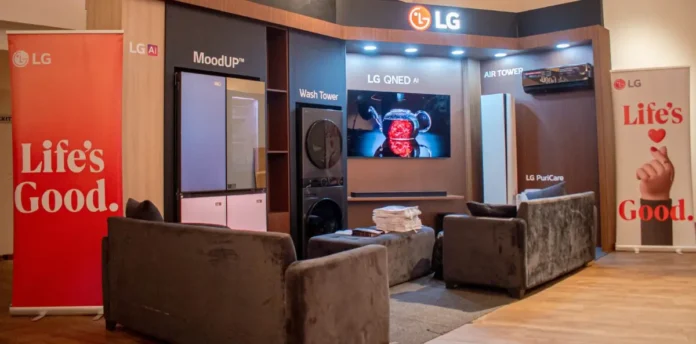
For Nigerian consumers, the development offers an indication of the possibilities emerging in the global home technology market. In major urban centres, where work commitments, commuting and other daily responsibilities can leave households with limited time for domestic activities, automation could become an increasingly attractive proposition. LG has already been showcasing its home technology in Nigeria.
However, the technology’s practical appeal will depend on how effectively it performs household tasks, interacts with existing appliances and fits into different living environments.
Its relevance to African households will also depend on factors such as affordability, accessibility and the availability of compatible smart home infrastructure. These considerations will be important as advanced household robotics moves from technological development towards wider consumer adoption.
LG’s CLOiD initiative reflects a broader ambition to make connected living more practical by bringing appliances, robotics and intelligent systems into closer coordination.
Rather than focusing solely on making individual devices smarter, the company is exploring a future in which household technology can take a more active role in managing everyday responsibilities, potentially changing how people organise and experience life at home.
