




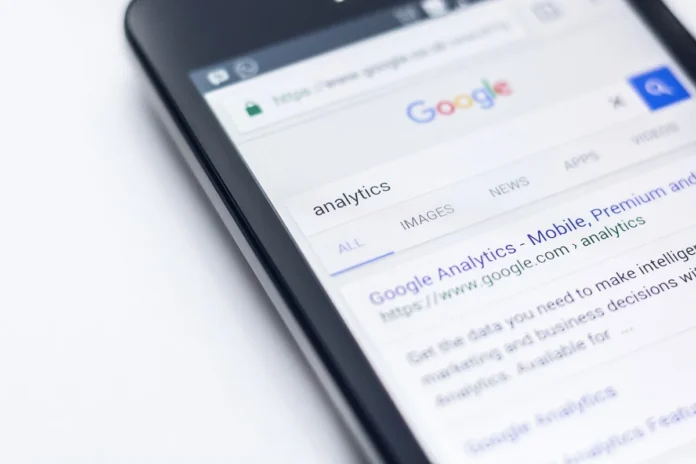
Google’s search monopoly is facing growing competition from artificial intelligence platforms as consumers increasingly turn to conversational tools such as ChatGPT, Perplexity, Gemini and Claude to discover information, products and services, forcing businesses to rethink their digital marketing strategies.
The shift is changing how companies attract online audiences, with traditional search engine optimisation (SEO) no longer sufficient on its own to guarantee visibility. Businesses are increasingly being encouraged to optimise their websites and digital content for AI-powered discovery systems that provide direct answers rather than simply displaying links to relevant pages.
The development was highlighted in an analysis published by Entrepreneur on November 19, 2026, by digital marketing strategist Al Sefati, chief executive of Clarity Digital. Brandspur Brand News reports that the changing search landscape could have significant implications for Nigerian businesses, particularly those relying on Google rankings to attract customers, generate leads and drive online sales.
Read also: Warc Identifies Five Marketing Trends Set To Reshape Industry In 2027
For years, Google has served as the primary gateway through which consumers discover businesses and access information online. Companies have invested heavily in keyword research, website optimisation, backlinks and search advertising to secure prominent positions in search results.
AI Platforms Change How Users Search
However, the emergence of generative AI platforms is introducing another route to online discovery. Instead of entering short search phrases and reviewing multiple websites, users can now describe what they need in conversational language and receive consolidated responses from AI systems.
These platforms can compare products, explain complex subjects, summarise documents and recommend services without requiring users to visit several websites individually.
Sefati argues that this represents a deeper transformation than previous changes to Google’s search algorithms. While earlier updates altered the criteria for ranking websites, the growing adoption of AI tools is challenging Google’s search monopoly as the principal starting point for online searches.
The change is also reflected in the growing importance of Answer Engine Optimisation (AEO), sometimes called Generative Engine Optimisation (GEO). The approach focuses on making business information discoverable, understandable and credible to AI systems that generate responses using information gathered from different online sources.
Rather than concentrating exclusively on keywords and search rankings, businesses must produce material that AI platforms can identify as useful and authoritative.
Original Content And Brand Authority Matter
Sefati identifies original research, proprietary information, detailed case studies and clearly organised answers as important elements of this strategy. Content that simply repeats information already available across the internet may struggle to distinguish a business from competing sources.
Another important factor is brand authority. AI platforms draw on information from multiple sources when generating responses, making a company’s presence in respected industry publications, professional directories and other authoritative platforms increasingly valuable. This places digital public relations alongside conventional SEO as businesses seek to establish a recognisable and credible presence across the internet.
Online reputation is also becoming more relevant. Customer reviews, discussions on Reddit, specialist communities and professional forums contribute to the public information available about companies and their products.
What It Means For Nigerian Businesses
For Nigerian businesses, this creates a broader challenge. A company may maintain a functional website and publish regularly on social media but still have limited visibility if its expertise, customer reputation and services are poorly represented across other digital platforms.
The shift also means businesses cannot assume that visibility on one AI platform will automatically translate into visibility on another. ChatGPT, Claude, Gemini, Perplexity and Meta AI operate as separate systems, with different approaches to retrieving, processing and presenting information.
The implications extend to Nigeria’s small businesses, technology companies, online retailers, financial service providers and media organisations, many of which depend on organic search traffic to reach potential customers without committing substantial resources to paid advertising.
If consumers increasingly receive recommendations directly from AI assistants, businesses that are absent from the information these systems retrieve could find it harder to reach new audiences. For digital publishers, the development also raises questions about website traffic, particularly where users obtain summaries and answers without visiting the original articles.
However, the changing landscape does not mean conventional SEO has become irrelevant. Website accessibility, useful content, technical performance and credible external references remain important foundations of online visibility.
Sefati maintains that businesses should approach AI search as a long-term component of their marketing operations rather than a minor technical adjustment. As artificial intelligence changes the relationship between users and online information, the challenge for businesses is no longer simply securing a position on Google’s first page. It is ensuring that when potential customers ask AI platforms for recommendations, their brands have the credibility and digital presence to be included in the answer.