




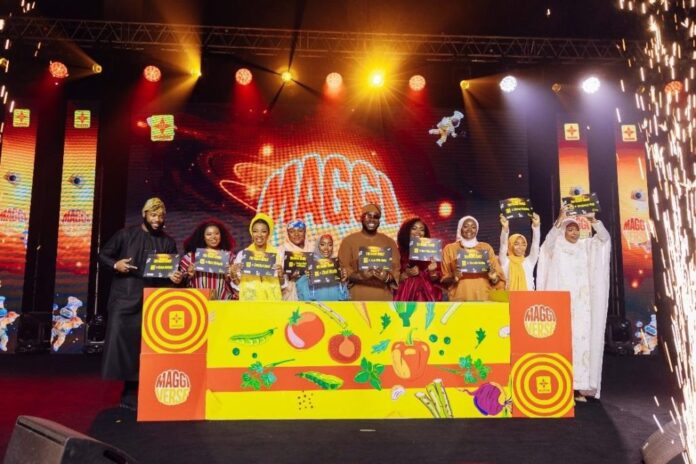
MAGGI has urged Nigerian food creators to treat content creation as a business, not just a social media activity, calling for better financial planning, stronger audience relationships and a clearer understanding of commercial partnerships.

The call came at the two day MAGGI Creators’ Conference in Lagos, where food influencers, digital content producers and industry professionals examined ways to earn sustainably from the growing creator economy. The event, themed “Stars Are Forever”, was organised as part of the brand’s 60th anniversary celebrations in Nigeria.
Funmi Osineye, Category Manager, Culinary at Nestlé Nigeria, said creative ability and attractive content could open doors for creators, but would not automatically translate into a viable business. Brandspur Brand News gathered that she encouraged participants to develop the commercial skills needed to turn their online influence into long term ventures.
Osineye outlined six elements she considered important to building a successful creator business: talent, culture, strategy, consistency, community and opportunity. She said creators needed to identify what distinguished their work and communicate that value to audiences and potential business partners.
For food creators, that distinction could come from the way they tell stories, present dishes, demonstrate cooking techniques or introduce audiences to culinary traditions. Nigeria’s diverse food culture, she suggested, offers creators material that can help them stand out in a crowded digital space.
Regional recipes and traditional methods of preparing meals could also give creators a stronger identity, while introducing local food knowledge to audiences outside their immediate communities. Rather than simply reproducing popular trends, creators were encouraged to draw on the culinary experiences and cultural influences that make their work recognisable.
The discussion also turned to the financial realities of working with brands. Osineye said creators needed to understand the actual cost of producing sponsored content before agreeing to fees. Ingredients, cooking equipment, production time and other expenses should form part of their pricing decisions.
She also drew attention to contractual issues, particularly agreements governing content ownership and usage rights. Creators who fail to examine these terms may not fully understand how brands can use the material they produce or the obligations attached to a partnership.
Audience size, she added, should not be the only measure of commercial success. A large following does not necessarily translate into customers or a dependable source of income. Creators were therefore encouraged to build communities whose members actively engage with their work and may be interested in supporting products, services and other business ventures.
Osineye also challenged the idea that posting frequently was enough to establish a business. She advised creators to study audience analytics, use the information to guide their content decisions and maintain proper financial records. Having organised business structures, she said, could also help position them for bigger commercial opportunities.
Alongside the entrepreneurship discussions, MAGGI announced the addition of Ginger & Garlic and Fish & Shrimp variants to its Powders portfolio, taking the range to five products.
The new variants featured in the conference’s Flavour Cook Off, a practical challenge that invited participating creators to develop original content using MAGGI Powders. The exercise combined cooking skills with the storytelling techniques that have become central to food content production.
Ifeoluwa Seyi-Obembe, Category Development Manager at MAGGI, said the additions reflected the brand’s plans to continue developing its product range while engaging with Nigeria’s creator community.
She said the company was looking beyond its anniversary activities by introducing new products and supporting creators as they explore opportunities around food.
The conference brought together two areas of growing commercial interest for the brand: the Nigerian food market and digital content creation. For participants, the discussions placed emphasis on the work required beyond producing videos, including pricing, audience research, financial discipline and negotiating partnerships.
