




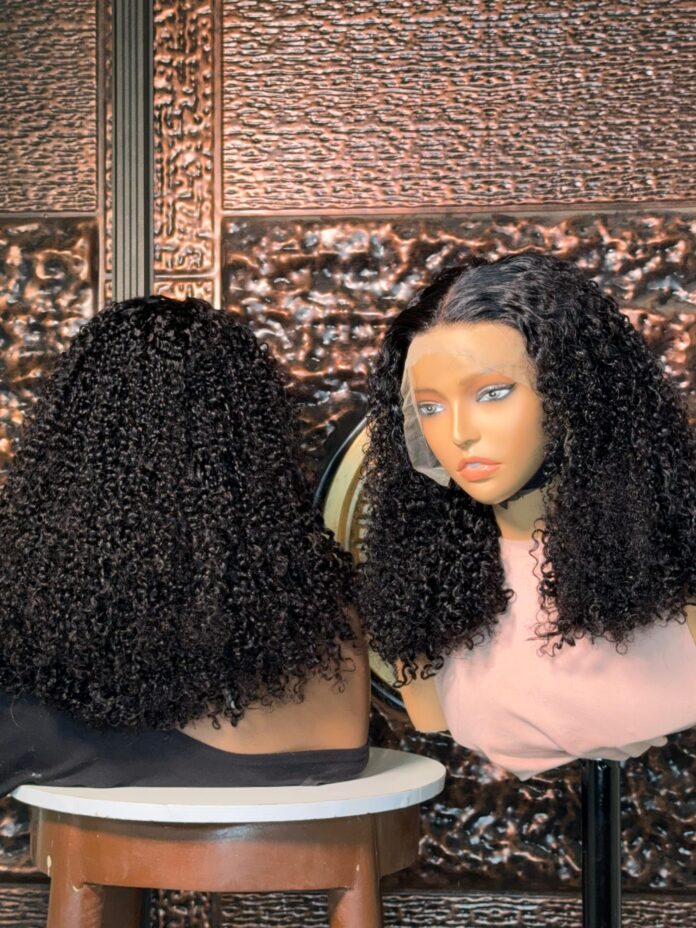
Nigerian women spend more than $429 million a year on imported artificial hair. Nigeria is the second-largest importer of artificial hair in the world, with women spending over $429 million a year on imported artificial hair products.
The country’s hair care sector is flourishing. In cities like Lagos, Abuja, and Port Harcourt, where consumer spending is driven by beauty trends, the huge demand for wigs and extensions is especially apparent.
The majority of the $429 million worth of artificial hair that Nigeria imported in 2023 came from China, according to data available to BrandSpur digital news platform from the Observatory of Economic Complexity (OEC). The nation’s significant reliance on imported hair items is further demonstrated by the $352 million it spent on human hair wigs and extensions.
Nigeria, which ranks 17th in the world, sold $17 million worth of artificial hair products despite its reliance on imports. The United States, Ghana, China, the United Kingdom, and Canada are important export markets (OEC).
Nigeria’s domestic hair manufacturing industry has not yet fully benefited from the rising market, despite the huge demand for hair products. There are currently 168 importers and 164 producers and exporters in the nation (Volza). Nonetheless, the market is still dominated by goods manufactured elsewhere, which restricts the expansion of domestic hair companies.
The demand for wigs and extensions has quadrupled in the last three years, according to hair dealers in key commercial centres like Lagos’ Balogun Market (BusinessDay). Even though many of these products are actually imported from India and renamed to satisfy consumer demand, a large portion of the market is oversaturated with foreign goods, especially those marketed as “Brazilian hair” (Vice News).
However, there are serious economic repercussions when hair products are heavily imported. Nigeria’s ongoing expenditures on wigs and extensions manufactured abroad contribute to the trade imbalance of the nation, which affects foreign reserves and restricts the creation of jobs domestically. Local producers have a significant opportunity to increase their output and gain a greater portion of the Nigerian hair care industry, which is expected to reach $2.20 billion by 2030 and grow at an annual rate of 8.55% (Statista).
The Nigerian government is looking into measures to assist domestic hair producers in recognition of the need to lessen reliance on imports. Possible measures include limiting imports, providing financial incentives to regional manufacturers, and raising awareness of hair products manufactured in Nigeria.
According to StrategyH, the hair care industry is anticipated to expand by $356.2 million by 2029 at a compound annual growth rate (CAGR) of 15.5%, offering domestic firms a substantial chance to increase production and take on foreign imports.
Addressing the issues of import dependency will be essential for long-term economic viability as Nigeria’s beauty sector grows. The nation may lessen its dependency on imports and create a more self-sufficient hair care sector by empowering domestic producers and enticing customers to buy domestic goods.
