




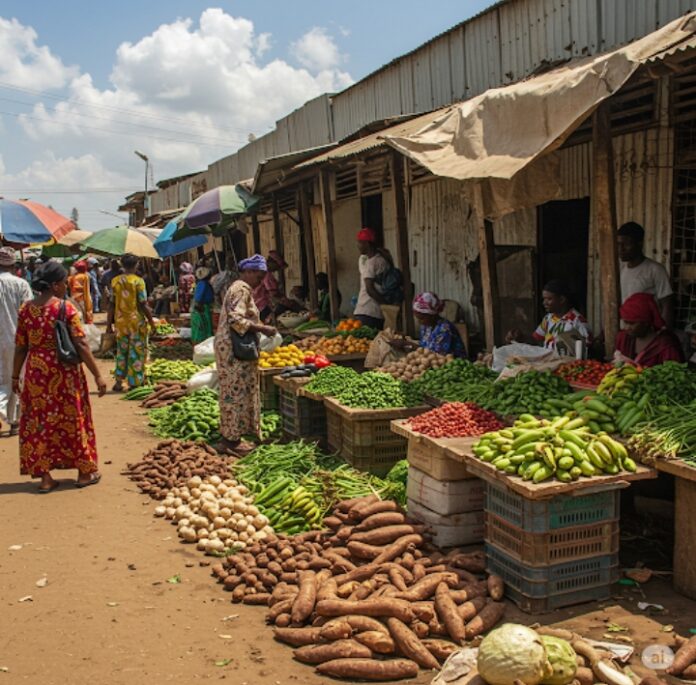
A growing underground trade in repackaged and potentially expired food products is spreading across major markets in Nigeria, exposing millions of consumers to serious health risks while thriving on economic hardship and weak regulatory enforcement.
Investigations across key Lagos markets reveal that staple food items—including cereals, powdered milk, oats, semolina, and tea—are increasingly being sold in unbranded forms. These products, often displayed in open buckets, sacks, and plastic containers, lack essential labeling such as expiry dates, batch numbers, and manufacturer details, leaving buyers unaware of their origin or safety.
The practice is driven largely by affordability. With inflation squeezing household incomes, many consumers are turning to these cheaper alternatives, which can cost up to 50 percent less than properly packaged supermarket goods. However, what appears to be a cost-saving measure may come at a significant health cost.
Brandspur Brand News reports that the supply chain behind this trade originates from manufacturing sources, where near-expiry, rejected, or damaged goods are classified as “disposable.” While such products are expected to be destroyed or redirected for non-human use, they are instead sold in bulk through informal channels. Middlemen acquire these goods, strip them of original packaging, and redistribute them into open markets for resale.
Once removed from their sealed packaging, these food items lose traceability and are exposed to contamination risks. Market observations indicate that many of the products show signs of spoilage, including clumping, discoloration, and unusual textures. Traders themselves admit relying on smell and appearance to judge quality, a method experts warn is unreliable.
Health professionals caution that consuming expired or improperly stored food can lead to foodborne illnesses, including nausea, diarrhea, and more severe complications. Moisture exposure and poor handling conditions further increase the risk of microbial growth, particularly in powdered and processed foods.
Despite clear regulations requiring proper labeling and safety compliance, enforcement appears limited. Regulatory authorities have guidelines in place, but the widespread availability of these unbranded products in open markets suggests gaps in monitoring and control.
The economic scale of this informal trade is substantial. With Nigeria’s food market valued at approximately N34 trillion, the repackaged goods segment represents a significant and growing portion, fueled by demand for cheaper alternatives and sustained by systemic loopholes.
As the trade continues to expand, experts warn that without urgent intervention, the long-term public health implications could worsen, particularly among vulnerable populations who rely heavily on these low-cost food options.
