




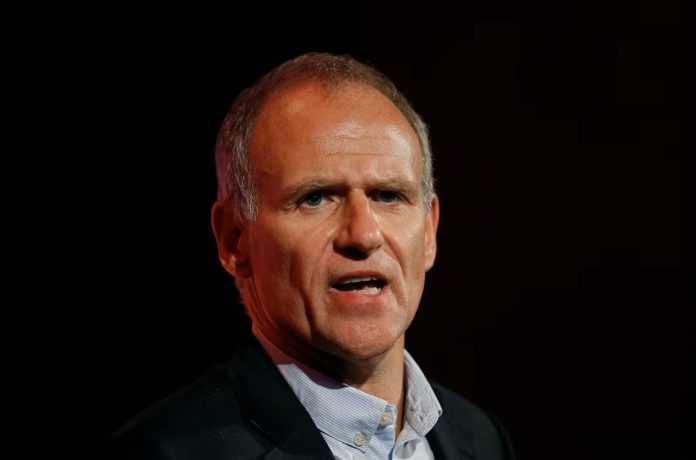
Diageo’s newly appointed Chief Executive, Dave Lewis, has received an unexpected reprieve after merger discussions between two of its key rivals, Pernod Ricard and Brown-Forman, ended without agreement, easing immediate concerns of a stronger competing group in the global spirits market.
The collapsed talks would have combined Pernod Ricard, the maker of several premium spirits brands, with Brown-Forman, known for Jack Daniel’s whiskey, in a deal that could have significantly narrowed the revenue gap with Diageo. Analysts had warned that such a merger would have created a more powerful rival with expanded scale, stronger distribution reach, and a wider whiskey portfolio across major markets including the United States, India, and China.
However, the absence of a deal has temporarily reduced pressure on Diageo, the world’s largest spirits producer, as it continues to grapple with slowing sales growth, shifting consumer behaviour, and broader industry headwinds driven by inflation and changing drinking habits.
Brandspur Brand News Desk reports that despite this relief, investor expectations around Lewis remain high, with the market closely watching his next strategic moves. Lewis, who assumed leadership in January 2026, is expected to outline his turnaround plan alongside upcoming quarterly earnings, where the company is projected to report a decline in net sales.
Market analysts say Diageo’s challenges extend beyond external competition, pointing instead to long-standing internal performance issues. Concerns have been raised over weak brand momentum, underwhelming market leadership, and operational inefficiencies across distribution channels.
The spirits sector more broadly is also under pressure, with companies facing reduced consumer spending power, regulatory shifts, and evolving lifestyle trends. Some analysts have further pointed to emerging risks such as reduced alcohol consumption linked to health-conscious behaviour and alternative wellness products.
Although the collapsed merger removes an immediate threat, uncertainty still remains in the industry. Reports suggest that private spirits group Sazerac may still be exploring a potential acquisition of Brown-Forman, a move that could reshape the U.S. whiskey landscape if pursued. Such a deal could significantly increase Sazerac’s market share and strengthen its bargaining power with distributors.
For Diageo, however, financial constraints remain a limiting factor. The company is carrying relatively high debt levels, restricting its ability to pursue large-scale acquisitions that could accelerate growth or consolidate its market position.
Lewis is now expected to focus on internal restructuring, cost efficiency, and a renewed emphasis on mass-market and value-driven spirits. He has also indicated plans to reassess pricing strategies and improve relationships with distributors and retailers, areas investors believe are critical to restoring growth.
Industry observers note that while rival consolidation could have intensified competition, it may also have created indirect opportunities for Diageo in the long term, particularly if integration challenges or regulatory conditions weaken any merged competitors.
Ultimately, analysts argue that Diageo’s performance will depend less on external mergers and more on whether Lewis can reignite demand across its core brands and rebuild investor confidence in a rapidly evolving global spirits market.
