




Consumer spending behaviour in Lagos is changing rapidly in 2026 as residents adjust household budgets in response to inflation, rising transport expenses, and continued economic pressure affecting purchasing decisions across the city.
Across supermarkets, neighbourhood markets, shopping centres, and online stores, consumers are increasingly focusing spending on essential goods while cutting back on luxury purchases and non-essential items.
Food, transportation, rent, healthcare, and internet access now account for a significant portion of household expenses as many residents struggle to maintain financial stability amid rising living costs.
Retailers are also recording stronger demand for cheaper alternatives, discounted products, and smaller pack sizes as shoppers become more price-conscious and deliberate before making purchases.
Many Lagos consumers now compare prices across different outlets and digital platforms before buying, a trend forcing businesses to adopt more competitive pricing strategies, promotions, and customer retention campaigns.
Brandspur Banking News Desk reports that economic pressure is encouraging residents to manage spending more carefully while prioritising products and services considered immediately necessary for daily living.
Cashless transactions are equally becoming more dominant as digital payment platforms, mobile banking applications, and transfer services continue gaining wider acceptance across the city’s commercial environment.
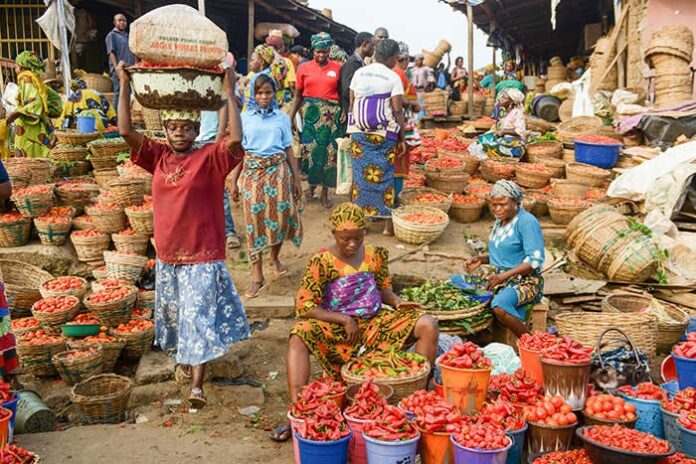
Industry analysts say informal retail markets and neighbourhood vendors remain highly important because they offer flexible pricing and easier access to goods for low- and middle-income consumers.
Despite economic challenges, the food and beverage sector continues to experience strong activity, although many households are reducing restaurant visits and relying more heavily on home-cooked meals to manage expenses.
Transportation costs also remain a major concern for residents navigating long commuting distances and fluctuating fuel-related expenses within the city.
Meanwhile, online shopping platforms are attracting stronger engagement among younger consumers seeking convenience, price comparisons, and promotional deals without physically visiting stores.
Market experts believe Lagos will continue to maintain its position as Nigeria’s leading consumer economy, although spending patterns are expected to remain heavily shaped by affordability concerns and broader economic realities throughout 2026.
