




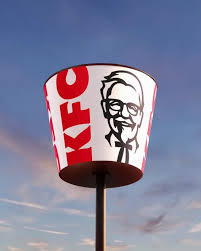
Global quick-service restaurant chain KFC has launched an extensive worldwide rebranding initiative designed to modernise the nearly century-old brand and strengthen its appeal among younger consumers as competition intensifies across the fast-food industry.
The transformation encompasses every aspect of the customer journey, including packaging, restaurant design, digital platforms, and marketing communications, while preserving the heritage and distinctive identity that have made the chicken chain one of the world’s most recognised restaurant brands.
Brandspur Brand News understands that branding agency JKR led the creative overhaul, with Global Executive Creative Director Sean Thomas stating that the objective was to evolve the brand for its next phase of growth without losing the characteristics that have defined KFC for decades.
Central to the rebrand is a more unified global identity built around the iconic bucket, which will now play a larger role across restaurant experiences, digital platforms, and marketing campaigns as the company’s most recognisable brand asset.
The visual refresh includes an updated logo, a modernised illustration of founder Colonel Sanders, new typography, refreshed photography styles, and an expanded colour palette that retains the traditional red, white, and black while introducing supporting colours inspired by the famous herbs and spices recipe.
Beyond aesthetics, KFC is rolling out next-generation restaurant formats in selected markets alongside menu innovations including boneless chicken products, an expanded range of sauces, and an enhanced drinks platform designed to attract new customers and encourage repeat visits.
Industry analysts note that the rebrand reflects growing pressure on established restaurant brands to adapt to changing consumer expectations, particularly as customers increasingly demand seamless digital experiences, modern dining environments, and greater menu variety.
The global rollout will commence in the United Kingdom and Ireland this month before extending to Australia, the United States, and other international markets throughout 2026, marking a phased approach to the brand transformation.
For the fried chicken giant, the rebrand represents a strategic wager that strengthening the brand assets defining its history while embracing innovation across restaurants, digital channels, and menu offerings will maintain its competitive edge in the evolving global chicken market.
