




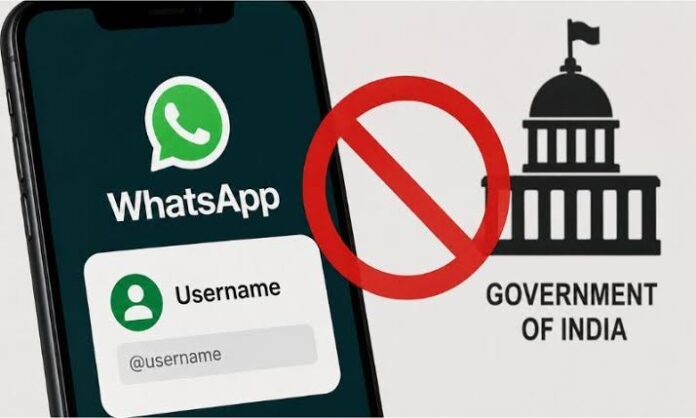
India has directed Meta-owned WhatsApp to suspend the rollout of its new username feature, citing concerns that the update could make online fraud, phishing attacks and identity impersonation more difficult to detect and investigate.
The order was issued by India’s Ministry of Electronics and Information Technology on July 1, requiring the messaging platform to halt deployment of the feature while providing an explanation to authorities within three days. The government’s intervention comes as WhatsApp gradually introduces usernames globally, allowing users to connect without revealing their phone numbers.
The username system is designed to improve privacy by enabling users to communicate through unique handles instead of mobile numbers. However, Brandspur Brand News understands that Indian regulators believe the change could reduce the ability of law enforcement agencies to trace suspects involved in cybercrime and financial scams, particularly in a country where WhatsApp serves more than 500 million users.
Also read: https://brandspurng.com/2026/07/02/gen-z-is-rewriting-the-norms-of-alcohol-consumption/
Officials also expressed concern that the feature could complicate investigations linked to complaints filed through national cybercrime reporting platforms. Authorities argue that introducing usernames without regulatory consultation may undermine existing digital accountability requirements under India’s information technology framework.
The latest move follows India’s recent crackdown on Telegram, which faced restrictions over allegations involving online fraud, examination paper leaks and the misuse of anonymous communication channels. Regulators view the WhatsApp username feature as presenting similar risks, especially amid growing cases of impersonation and so-called digital arrest scams targeting citizens.
WhatsApp has maintained that the feature is optional and does not eliminate the requirement for users to register with a valid phone number. The company also says several safeguards have been built into the system, including limits on unsolicited messaging, protections against repeated username guessing attempts and reserved usernames for verified accounts and public figures to reduce impersonation.
Despite those assurances, Indian authorities insist the feature should not proceed until ongoing consultations are concluded, reflecting the country’s increasingly strict approach to regulating digital platforms and strengthening online safety.
