




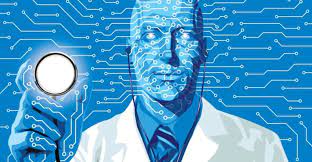
Artificial intelligence is becoming an increasingly influential part of cancer care, with new research showing that patients are using generative AI to understand diagnoses, explore treatment options and prepare for consultations before meeting their doctors.
The study found that AI is now embedded throughout the patient journey, helping many people interpret medical information, review test results and formulate questions ahead of oncology appointments. Researchers say this growing reliance on AI is changing how patients make healthcare decisions and interact with medical professionals.
According to Brandspur Brand News, the findings indicate that many oncologists are seeing a rising number of patients arriving with AI-generated information during consultations, with most doctors expecting the trend to continue. The research suggests that AI is no longer functioning solely as an information search tool but is increasingly shaping patient expectations, treatment discussions and clinical decision-making.
The study also found that AI adoption rises during periods of uncertainty, such as disease progression, treatment side effects or financial concerns. Many patients reported returning to AI platforms repeatedly for explanations, reassurance and guidance, with a significant proportion expressing confidence in the accuracy of the information they received despite limited awareness that AI systems can generate inaccurate or misleading responses.
Researchers observed that AI-generated information is influencing conversations inside consulting rooms. Many patients said they introduced treatment options, diagnostic tests and potential clinical trials suggested by AI during appointments, with doctors approving a substantial number of the resulting treatment and testing requests after professional evaluation.
Despite the growing influence of artificial intelligence, the research found that patients continue to regard physicians as the ultimate authority in medical decision-making. Many respondents said AI helped them ask more informed questions and better understand complex medical information, but they still depended on their doctors for personalised advice, reassurance and final treatment decisions.
The study concludes that healthcare organisations, pharmaceutical companies and market researchers must adapt to a new reality in which AI increasingly shapes patient opinions before formal interactions with healthcare providers. Researchers say understanding this emerging “hidden” layer of decision-making will become essential for improving patient engagement, healthcare communication and future medical research.
