




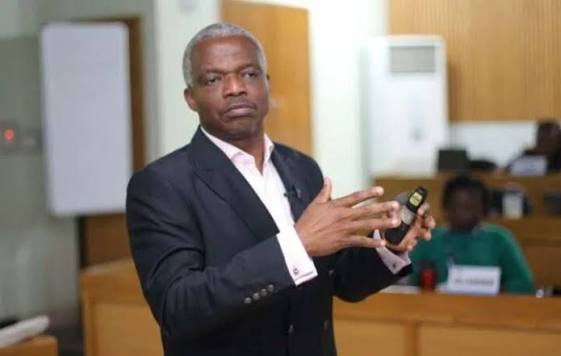
Nigeria’s wealth concentration has reached alarming levels, with the richest one percent of the population now controlling 44 percent of the country’s total wealth, marking a dramatic surge from approximately 25 percent two decades ago. Economist Doyin Salami, who serves as Chief Executive Officer of KAINOS Edge Consulting Ltd., disclosed the staggering figures during an address at Anchoria Group’s The Quorum Investor Forum.
The sharp increase in wealth concentration over the past 20 years highlights a troubling trend in Nigeria’s economic development, where prosperity has increasingly accrued to a small segment of the population while the majority struggle with poverty and limited economic mobility. Salami emphasised that the growing disparity demands urgent policy attention and a fundamental rethinking of the country’s growth strategy.
The economist’s presentation at the investor forum underscored that Nigeria must pursue economic expansion that is not only robust and sustainable but also inclusive, ensuring that the benefits of growth reach broader segments of the population. The current trajectory, where wealth accumulates disproportionately at the top, poses risks to social cohesion and long-term economic stability.
Brandspur Politics reports that Salami advocated for policy approaches that unlock private capital, accelerate industrialisation, and create employment opportunities as more effective tools for addressing inequality than government spending alone. His prescription suggests that Nigeria’s development strategy requires structural reforms that enable broader participation in economic growth.
The wealth disparity figures place Nigeria among countries with the most pronounced inequality globally, raising questions about the effectiveness of existing economic policies in distributing prosperity. The concentration of wealth at the top has implications for social mobility, access to education and healthcare, and the overall standard of living for the majority of Nigerians.
Salami’s call for inclusive growth aligns with broader international discourse on inequality, where economists and policymakers increasingly recognise that economic development must be measured not only by GDP growth but also by how benefits are distributed across society. The Nigerian economist’s emphasis on industrialisation reflects a view that manufacturing and productive sectors generate more widespread employment and income opportunities than extractive or service industries.
The forum presentation comes at a time when Nigeria faces significant economic challenges, including high unemployment, persistent poverty, and inflationary pressures that disproportionately affect lower-income households. The widening wealth gap exacerbates these challenges, as those at the bottom of the income distribution have fewer resources to cope with economic shocks.
Private capital mobilisation, which Salami identified as crucial for addressing inequality, requires improvements in the business environment, including infrastructure, regulatory frameworks, and access to finance for small and medium-sized enterprises. The economist’s recommendations suggest that Nigeria’s development partners and policymakers should focus on creating conditions that enable broad-based entrepreneurial activity.
Industrialisation remains a central challenge for Nigeria, which has experienced de-industrialisation in recent decades as manufacturing’s contribution to GDP has declined. Building a more diversified economy with stronger productive capacity would create higher-quality jobs and reduce dependence on imported goods, according to economic analysts.
The wealth concentration data underscores the urgency of implementing policies that promote more equitable economic outcomes. As Nigeria approaches its next election cycle, inequality is likely to emerge as a central issue in political discourse, with voters demanding concrete solutions to address the gap between the wealthy and the rest of the population.
