



The discovery of an illegal engine-oil production operation has renewed concerns over counterfeit lubricants in Nigeria and the costly damage unsuspecting motorists can suffer after purchasing products they believe are genuine.
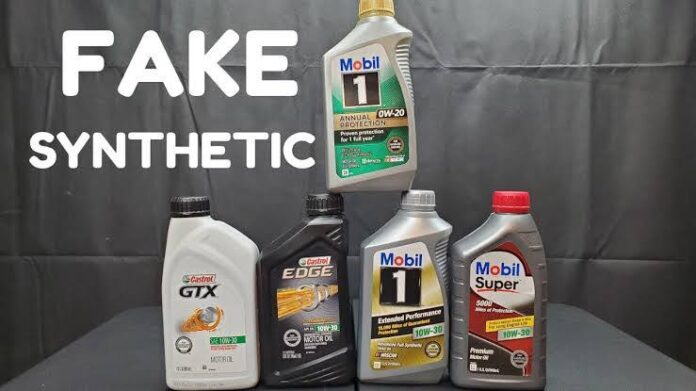
The operation involved the mixing and packaging of dark lubricant products using containers and labels resembling established engine-oil brands, including Mobil and Baumann. Boxes, containers and materials associated with the production process were found inside the facility.
Brandspur Brand News reports that footage from the operation showed a thick dark liquid being handled in large containers before packaged products bearing branded labels were displayed. Security personnel were also seen taking individuals at the premises into custody.
The incident highlights a wider consumer-safety problem because engine oil plays a critical role in protecting moving components inside an engine. Genuine lubricants are manufactured to defined specifications to reduce friction, manage heat, prevent excessive wear and keep deposits under control.
Counterfeit or poorly formulated lubricants may not provide those protections. Using oil with unsuitable viscosity or inadequate additives can accelerate engine wear, contribute to sludge and overheating, and ultimately result in expensive mechanical problems.
For motorists, the danger is particularly difficult to detect when counterfeit products are packaged to resemble recognised brands. A container that appears genuine can give buyers little reason to suspect that its contents may not meet the manufacturer’s stated specifications.
The financial consequences can extend far beyond the price paid for the lubricant. Engine repairs or replacement can cost vehicle owners substantial amounts, meaning a seemingly routine oil change could become a major expense when the product used is substandard.
Counterfeit lubricants also create problems for legitimate manufacturers and distributors whose packaging and brand identities can be imitated without their involvement. This makes stronger enforcement across production, distribution and retail channels important to protecting both consumers and genuine businesses.
The latest discovery underscores the need for motorists to pay closer attention to where they purchase lubricants, particularly when products are offered through questionable outlets or at prices substantially different from established market rates.
Ultimately, tackling fake engine oil requires more than shutting down individual production sites. Keeping counterfeit lubricants away from vehicle engines will depend on sustained enforcement, tighter supply-chain monitoring and greater consumer awareness about how and where automotive products are purchased.
