




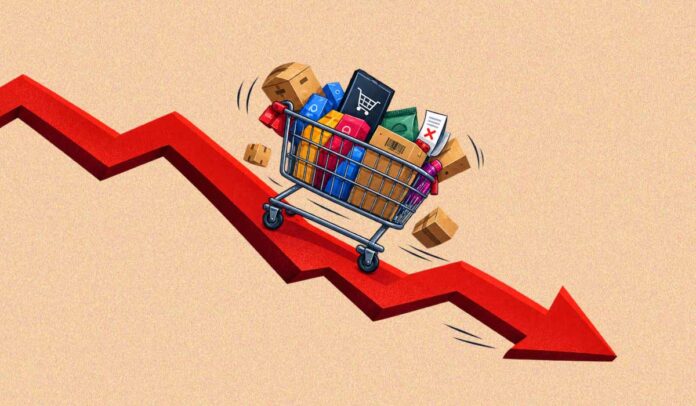
Retailers could be sacrificing profit through discounts that attract shoppers but fail to generate enough additional spending, pricing expert Marco Vriens has warned, urging businesses to test promotions against their actual impact on margins.
Vriens, in an article published by Research World on October 28, said discounts and loss leaders can increase store traffic and sales, but the extra purchases often do not make up for the revenue lost on reduced prices.

The findings have implications for Nigerian retailers competing for customers amid pressure on household spending. Brandspur Banking News Desk reports that the central issue is whether a price cut brings in new business or simply shifts purchases between products while leaving the retailer with a smaller margin.
Research reviewed by Vriens found that promotions at a major US pharmacy chain had a negative average net profit impact. Across about $9 billion in front-of-store sales, the combined effect was estimated at a loss of roughly $25 million. More than half of the promotions examined lost money, while stronger results were associated mainly with manufacturer-funded offers, the retailer’s own brands and certain frequently promoted or high-priced products.
A separate analysis of promotional price responses illustrates the challenge. In Vriens’ example, a retailer selling an item for $2.50 with a 30 per cent gross margin would earn $7,500 from 10,000 units. A 10 per cent price cut reduces the unit margin, meaning sales would need to rise by 50 per cent to preserve the same gross profit.
The typical promotional response cited in the article would lift sales by about 36 per cent, leaving gross profit around 9 per cent lower. The discount becomes worthwhile only if other factors, such as supplier funding, additional purchases or new customers, make up the shortfall.
Promotions can still generate benefits beyond the discounted product. Vriens said spillover sales tend to occur in a limited number of related categories, with stronger effects when offers are advertised or displayed prominently and complementary products are placed nearby.
Price increases, meanwhile, can improve profitability when retailers use modelling to identify items where demand is less sensitive to price. The article cites DIY retailer bauMax, which used econometric analysis and store-level testing before changing prices across about 20,000 products. The company reportedly increased gross profit by approximately 8 per cent, while leaving around 100 competitor-tracked items unchanged to limit the risk of a price response.
Vriens recommends that retailers assess promotions individually, run controlled tests before wider roll-outs and consider which products are bought by their most valuable customers. He also advises monitoring customers’ overall perception of a store’s prices, particularly when discounts on visible items are supported by increases elsewhere.
The broader message for retailers is that higher sales do not automatically translate into higher earnings. Decisions on discounts and price adjustments, he argues, should be based on transaction data, customer basket patterns and testing that measures whether the strategy delivers profit in practice.
