




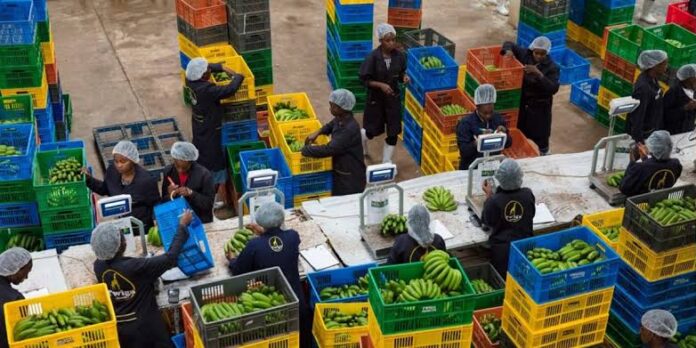
Kenyan technology and food distribution company Twiga Foods has entered administration following years of financial pressure, workforce reductions and attempts to restructure its business.
A gazette notice published on September 11 stated that GT Flow Limited, formerly known as Twiga Foods One Limited, entered administration on August 17, with Mohamed Mohamed appointed as administrator. He has assumed control of the company’s business, assets and affairs, while the directors can no longer deal with company assets without his permission.
The development marks another difficult chapter for one of Kenya’s most heavily funded startups. Brandspur Brand News reports that the administration follows several years of efforts to reduce costs, address financial obligations and reshape Twiga’s business model.
Twiga Foods was established in 2014 by Peter Njonjo and Grant Brooke to tackle inefficiencies in Kenya’s fragmented food supply chain. The company developed a technology-driven distribution network connecting farmers and suppliers with informal retailers such as kiosks and small shops.
The startup attracted about $185.4 million in funding, according to Crunchbase data. Its last disclosed financing was a $35 million debt round announced in December 2023, backed by existing investors Creadev and Juven.
However, Twiga was already facing financial difficulties by that period. The company had embarked on job cuts and encountered unpaid obligations, including a dispute involving cloud services provider Incentro.
Njonjo later invested $1 million of his own money into the business before taking a six-month sabbatical. He subsequently left Twiga’s board in early 2024, with former Jumia executive Charles Ballard becoming chief executive.
The company continued to reduce its workforce in 2024 before embarking on a broader restructuring programme in 2025.
As part of the overhaul, Twiga acquired controlling stakes in three Kenyan fast-moving consumer goods distributors, Jumra, Sojpar and Raisons. The acquisitions provided access to established customer networks and eight distribution centres across Kenya’s Central, Coast and Western regions.
Twiga said the new structure was designed to bring the businesses together under a more coordinated group while allowing the acquired distributors to maintain their existing operations. The company planned to centralise selected functions, including procurement, technology and business intelligence, while continuing to focus on informal retailers.
The restructuring affected more than 300 employees as the company sought to move towards a leaner operation, stronger margins and improved working capital.
Twiga also reviewed its distribution network, including the possibility of leaving or renegotiating its Tatu City facility and considering alternative locations closer to Nairobi.
The administration of GT Flow now puts further attention on the corporate structure Twiga had been developing. The gazette notice does not specify the assets and liabilities held by GT Flow or clarify whether the administration affects the three distributors acquired by Twiga.
Mohamed has said he will engage stakeholders in an effort to achieve the best possible outcome and has given creditors 30 days to submit their claims.
