




Dubai is moving to embed artificial intelligence across its tourism ecosystem, with the technology increasingly being used to rethink how visitors plan trips, navigate destinations and access services rather than simply improving existing travel processes.
The shift was highlighted at Arabian Travel Market’s Future Stage, where industry leaders discussed how AI, automation, fintech, robotics and smart mobility are changing the way journeys are discovered, booked and experienced. Dr Marwan Al Zarouni, CEO of AI at Dubai’s Department of Economy and Tourism, said the industry was approaching a major turning point in how travel is planned and delivered.
According to Brandspur Brand News, the bigger opportunity lies beyond chatbots and digital assistants. AI could connect information and operations across aviation, hotels, attractions, mobility and destination services, allowing tourism authorities to anticipate visitor demand, manage capacity and tailor experiences in real time.
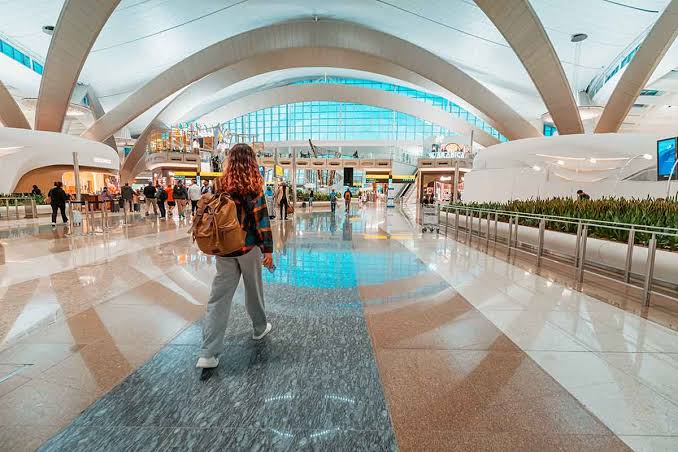
For Dubai, that approach is already taking shape. The emirate is developing an AI powered itinerary planner intended to make trip planning more personalised, while other digital systems are being used to reduce friction for visitors. These include biometric smart gates at Dubai airports and digital hotel check in systems.
Al Zarouni said the effectiveness of such technology would depend heavily on how well different parts of the tourism ecosystem share data. He stressed that isolated systems cannot generate the same value as connected platforms capable of drawing information from multiple sources.
The discussion also pointed to a major change in how travellers discover destinations. Instead of relying solely on conventional search engines, more travellers are expected to use AI assistants that can process preferences and provide direct recommendations.
That development could alter the way hotels, airlines, attractions and destinations compete for attention online. Businesses may increasingly need to ensure their information is accurate, current and structured in a way that AI systems can understand when generating travel recommendations.
The implications extend beyond individual businesses. AI generated travel answers can draw information from official tourism websites, airlines, hotels, attractions, media organisations, review platforms and community forums. As a result, the accuracy and credibility of information across an entire destination ecosystem could influence how that destination is presented to potential visitors.
Dubai is positioning its AI ambitions within its wider economic and digital strategy. The city’s Economic Agenda D33 includes ambitions around productivity, investment and global competitiveness, while AI accelerators and sandbox environments are being used to support the responsible testing of new technologies.
Public and private sector collaboration also forms part of the strategy, bringing government, startups, academic institutions and global technology companies into the development of AI solutions.
Despite the growing role of automation, speakers at the event stressed that technology would not replace the human element of tourism. Rachel Travers, regional president at RX, organiser of Arabian Travel Market, said innovation still depends on people, expertise and collaboration.
The message from the Future Stage was therefore broader than simply encouraging travel businesses to adopt AI. The emerging model involves connecting data, infrastructure, technology and human expertise to create travel systems that can respond more intelligently to changing visitor needs.
