




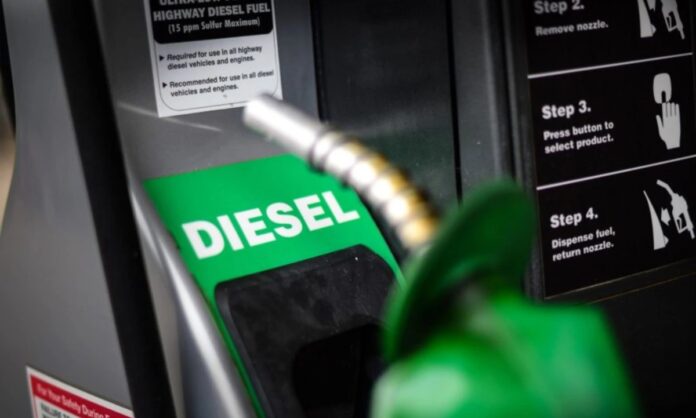
Nigeria recorded the world’s steepest increase in diesel prices between February and August 2026, with the cost of the fuel rising by 82.7 per cent, according to the United Nations Conference on Trade and Development (UNCTAD).
The increase places Nigeria at the top of the global ranking for diesel price growth during the six-month period, as escalating energy costs continue to put pressure on households and businesses. The development comes amid another rise in domestic diesel prices, with retail outlets in Abuja selling the fuel for between N1,920 and N1,990 per litre.
UNCTAD disclosed the figures in its Geoeconomics of Development report released at the weekend, according to the Brandspur Banking News Desk. The report examined the uneven impact of the global energy shock, highlighting developing economies, particularly in Africa and Asia, as among the countries experiencing the sharpest increases in domestic fuel prices.
While Nigeria recorded the highest diesel price increase, Myanmar had the largest rise in petrol prices at 50.7 per cent. The United Arab Emirates followed with a 49.8 per cent increase, while Malaysia recorded a 48.4 per cent rise over the same period.
The latest figures come as the Dangote Refinery increased its diesel price by N100 per litre over the weekend, bringing the price to N1,800 per litre. Retail prices in Abuja are higher, ranging from N1,920 to N1,990 per litre.
Diesel is a major operating expense for businesses that rely on generators and other fuel-powered equipment. Its rising cost can increase the amount companies spend on electricity generation, transportation and distribution, potentially adding to the cost of goods and services.
The impact also extends to households. UNCTAD warned that higher energy prices erode consumers’ purchasing power by reducing real incomes and limiting the money available for other spending.
For Nigerian businesses already contending with operating expenses, sustained increases in diesel prices could make it more difficult to manage costs. Consumers may also face additional financial pressure if businesses pass on part of their higher expenses through increased prices.
Nigeria’s position in the UNCTAD report underscores the scale of the diesel price surge recorded during the period. With retail prices approaching N2,000 per litre in Abuja, the cost of keeping businesses running and goods moving remains a significant concern for the economy.
