




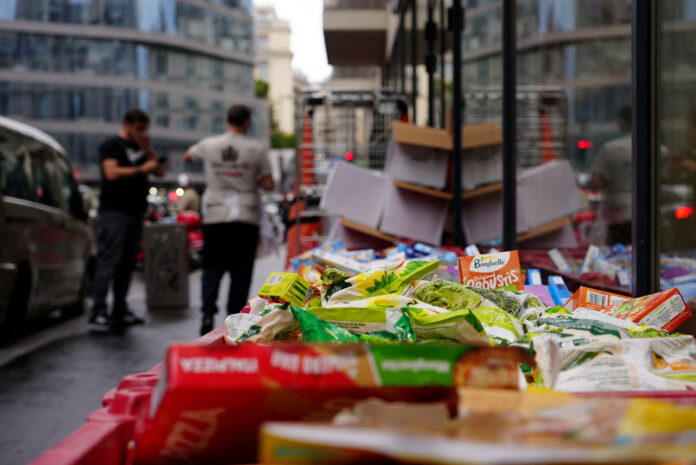
Hundreds of supermarkets in France have been hit by a cyberattack that interfered with refrigeration systems, forcing retailers to discard large quantities of food after temperatures in affected units reportedly climbed to 50°C.
The attack affected major retail chains, including Coopérative U, Intermarché, Carrefour and E.Leclerc, raising concerns about the vulnerability of food storage infrastructure to digital threats. The disruption also resulted in financial losses for retailers as they worked to protect consumers from potentially unsafe products.
Brandspur Brand News reported that hackers gained access to remote-control software used to regulate supermarket refrigeration equipment, allowing temperatures to rise in affected stores. More than 100 Coopérative U outlets were reportedly impacted.
Dominique Schelcher, chief executive of Coopérative U, confirmed the incident in a statement published on X on October 12, describing the attack as unprecedented and unacceptable. He said the retailer had mobilised its teams and refrigeration specialists to restore normal operations, adding that an investigation would be needed to establish the full circumstances.
Intermarché was also among the hardest-hit retailers. A spokesperson for its parent company, Les Mousquetaires, reportedly told Reuters that refrigeration units in about 150 stores had been affected, with temperatures reaching 50°C for six hours. The retailer discarded the affected food to prevent potential health risks.
The compromised refrigeration controls were reportedly supplied by Danish technology company Danfoss. According to BBC News, the affected units were older models running outdated firmware that could not be updated to address an identified security vulnerability.
The incident has highlighted the risks associated with connecting essential physical infrastructure to remotely accessible digital systems. Supermarket refrigeration is critical to preserving meat, dairy products and other perishables, and a prolonged failure can render large quantities of stock unsafe for consumption.
Christophe Hansen, the European Commissioner for Agriculture and Food, condemned the attack, warning that threats to food infrastructure required greater attention. His response underlined concerns that cyberattacks can extend beyond financial and personal data to disrupt essential services and food supplies.
Muhammad Yahya Patel, a cybersecurity adviser for Europe, the Middle East and Africa at Huntress, said attacks on building management controls, heating and cooling systems, and cold-chain infrastructure were a growing concern for the security industry.
Meanwhile, Dutch retailer Ahold Delhaize disclosed a separate security incident affecting its network on October 12. The company said it was assessing and containing the problem, including taking some systems offline, while its stores remained open. The incident was not believed to be connected to the French supermarket attacks.
The French case demonstrates how weaknesses in digital systems can translate into immediate physical and commercial damage. Beyond the cost of discarded stock, affected retailers must contend with operational disruption and the challenge of securing systems that play a direct role in protecting food quality and consumer health.
