



Nigerian electric mobility company MAX has raised additional funding from investment firm Nithio, bringing its Series B3 financing round to $29 million as it prepares to expand its electric motorcycle fleet and charging infrastructure across its markets in Africa.
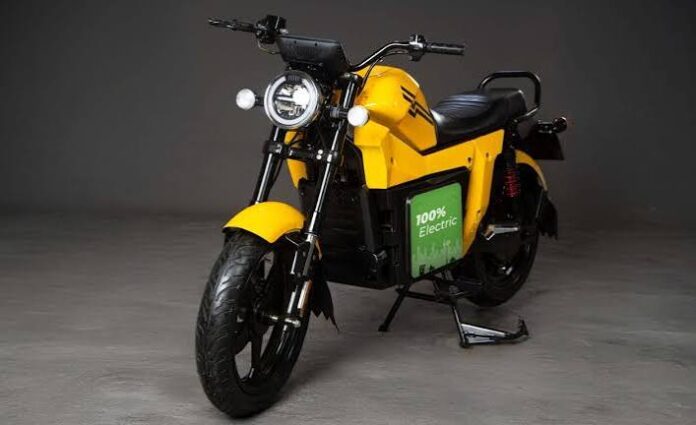
The latest investment is expected to support the deployment of more electric motorcycles and the expansion of battery swapping facilities, which allow riders to replace depleted batteries instead of waiting for them to recharge. The infrastructure is central to MAX’s plans to serve commercial transport operators using electric two-wheelers.
The amount invested by Nithio was not disclosed. The funding comes after MAX announced a $24 million equity and debt financing package in January, alongside a report that the company had reached profitability in Nigeria.
According to Brandspur Business News, the latest financing reflects continued investment in electric mobility solutions designed to address the operational and financial needs of commercial riders in African markets.
MAX also plans to deploy additional electric two-wheelers through manufacturing partners SPIRO and NOVR. It is expanding its solar-powered energy network across existing and new markets to support its growing electric mobility operations.
Founded in Lagos in 2015, MAX operates in 20 cities across West and Central Africa. Its business model allows drivers to access vehicles through daily subscriptions without making an upfront payment. The package includes insurance, maintenance, training and other support services.
The company combines vehicle financing with digital payments and fleet management technology, offering a structured alternative to outright vehicle ownership for drivers who may struggle to raise the initial capital required to acquire motorcycles.
For commercial riders, access to electric motorcycles through a subscription model could reduce the financial barrier to entering or remaining in the transport business. However, the practical benefits will depend on the availability of battery swapping stations, reliable energy infrastructure and the overall cost of operating the vehicles.
MAX’s expansion also places greater emphasis on the supporting infrastructure required to make electric transport commercially viable. More motorcycles alone will not be sufficient if riders cannot access convenient battery swapping facilities during their working hours.
The latest financing builds on the company’s earlier capital raise and reported profitability in Nigeria, as MAX seeks to expand its electric mobility operations across regional markets.
