




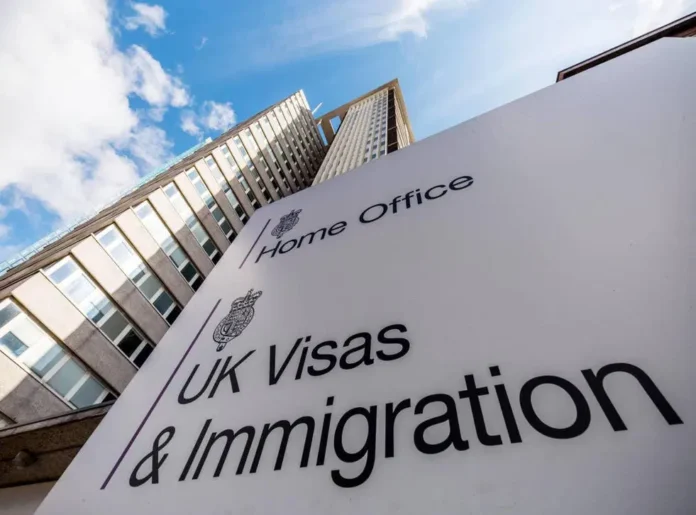
Nigerians graduating from British universities could receive shorter post-study work visas from January 2027, as the United Kingdom introduces a new system that will reserve the existing two-year Graduate visa for students from selected institutions.
Under the revised policy, international graduates from universities with strong immigration compliance records and positive employment outcomes will remain eligible for a two-year stay, while others will receive an 18-month visa.
The UK government announced the adjustment in its 2026 Budget, introducing different visa durations based on the university attended. Brandspur Politics reports that the authorities have yet to publish the list of institutions that will qualify for the longer period or disclose the criteria for assessing them.
The development modifies an earlier decision to reduce the standard Graduate visa from two years to 18 months for international students completing bachelor’s and master’s degrees from January 1, 2027. Doctoral graduates will continue to qualify for a three-year post-study visa.
The change is significant for Nigerian students, who make up one of the largest groups of international graduates seeking employment opportunities in Britain after completing their studies.
Figures for the year ending June 2026 show that the UK issued 26,060 sponsored study visas to Nigerian main applicants, making Nigeria the country’s third-largest source of sponsored international students after China and India.
Nigerians also recorded 20,604 approvals under the Graduate route during the same period, ranking third among nationalities benefiting from the scheme.
The Graduate visa allows eligible international students to remain in Britain after completing their courses, giving them the opportunity to work or search for jobs without first securing sponsorship from an employer.
Read Also:UK Rejects Over 1.34 Million Nigerian Visa Applications In 21 Years As Refusal Rate Remains High
However, the visa cannot be extended. Graduates who want to remain in the UK beyond its validity must qualify for another immigration category, including the Skilled Worker route.
For Nigerian students planning to study in Britain, the university they choose could therefore have a direct impact on how long they can remain after graduation. Those hoping to benefit from the two-year option may need to consider whether their institution will meet the government’s requirements.
Students graduating before the end of 2026 can still apply under the existing two-year arrangement, while the new 18-month and two-year classifications will apply to relevant applications submitted from January 1, 2027.
