




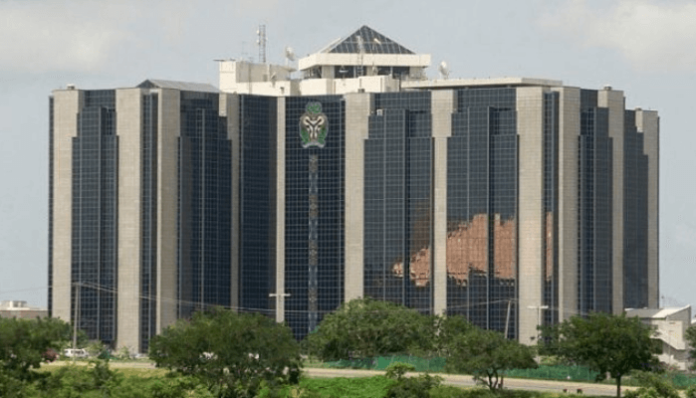
Olayemi Cardoso’s first three years as Governor of the Central Bank of Nigeria (CBN) have been marked by sharp monetary tightening, major foreign exchange reforms, bank recapitalisation and a substantial rise in external reserves, even as the naira remained significantly weaker against the dollar.
Cardoso assumed office in October 2023, when the official exchange rate was around N768.73 to the dollar and the Monetary Policy Rate (MPR) stood at 18.75 per cent. By September 15, 2026, the naira traded at about N1,329.15 to the dollar, while the MPR stood at 26.5 per cent.
The figures underline the scale of the monetary policy changes introduced during the period. The Brandspur Banking News Desk reports that the CBN moved away from several interventionist measures and placed greater emphasis on market based foreign exchange pricing, tighter monetary policy and strengthening the banking system.
One of Cardoso’s earliest major decisions came in October 2023, when the CBN removed restrictions on access to foreign exchange for 43 previously restricted import items and adopted a willing buyer, willing seller framework. The move was intended to reduce distortions and bring greater transparency to the FX market. The CBN says the reforms also helped reduce market segmentation and improve liquidity.
The following year brought an aggressive increase in interest rates as the central bank responded to persistent inflation. The MPR rose from 18.75 per cent when Cardoso took office to 22.75 per cent in February 2024, 24.75 per cent in March and 26.25 per cent in May. It was subsequently raised further before reaching 27.5 per cent in November 2024.
The tightening was designed to curb inflation and strengthen the effectiveness of monetary policy. In March 2024, for instance, the CBN raised the MPR from 22.75 per cent to 24.75 per cent as inflation stood at 31.70 per cent in February.
The FX market also remained central to the CBN’s reforms. The bank said it cleared verified foreign exchange obligations worth about $7 billion, while disputed claims were subjected to further review. Its reform record shows external reserves rising from $33.6 billion in October 2023 to $37.9 billion by July 2024.
Banking sector reform became another defining feature of the period. In March 2024, the CBN announced new minimum capital requirements of N500 billion for commercial banks with international authorisation, N200 billion for national banks and N50 billion for regional banks, with a March 2026 deadline for compliance.
Also read: https://brandspurng.com/2026/09/14/cbn-data-shows-nigerian-banks-closed-476-branches-in-three-years/
By 2026, the direction of monetary policy had begun to change. After reaching 27.5 per cent, the MPR was reduced to 26.5 per cent in February, signalling cautious easing rather than a return to the lower interest rate environment Cardoso inherited.
Inflation has also moderated, although the improvement does not mean that prices have returned to their earlier levels. The decline in the inflation rate represents a slower pace of price increases, while households and businesses continue to face the effects of earlier increases in the cost of food, transport and other essentials.
Meanwhile, Nigeria’s external reserves have recorded a much stronger position than at the beginning of Cardoso’s tenure. The CBN maintains a statistics database covering monetary, external, fiscal and real sector indicators, including reserves and exchange rates.
The central bank has also continued to build financial market infrastructure, including the Electronic Foreign Exchange Matching System, revised FX rules and the Nigeria Payments System Vision 2028, which was unveiled in June 2026.
Three years into Cardoso’s tenure, therefore, the numbers present a mixed picture: tighter monetary policy, stronger reserves and extensive financial sector reforms on one side, against a substantially weaker naira and borrowing costs that remain well above their October 2023 level on the other.
