



Claims that people are secretly selling human flesh as meat have continued to circulate online, leaving many social media users questioning whether some of the meat sold to unsuspecting consumers could actually come from human beings.
The disturbing allegation has appeared in different forms, with posts claiming that human body parts have been found in butcher shops, meat markets and food supplies in different parts of the world. Such stories are usually accompanied by graphic photographs or videos presented as evidence.
However, available evidence does not support the claim that human flesh is routinely being sold as meat. Several versions of the allegation have previously been investigated and found to be false, misleading or completely unrelated to the claims attached to them.
Brandspur News reports that one widely shared story about a supposed project to turn human bodies into food was linked to the Human Meat Project, which was presented as conceptual artwork rather than an actual food production scheme. Fact checkers found no evidence that human bodies were being processed into food for consumers.
There have also been cases where photographs shared as evidence of “human meat” turned out to be AI generated or taken from unrelated incidents. Reuters, for instance, fact checked an image showing what appeared to be human hands packaged for sale and found that the image had been created using artificial intelligence.
Another widely circulated story claimed that a butcher shop in Nairobi was selling human meat. An investigation by Africa Check found that the claim was false, while the photograph used to support the story was connected to a publicity stunt involving animal meat made to resemble human body parts.
The idea is particularly disturbing because consumers generally rely on butchers, markets and food businesses to provide safe and properly sourced meat. A genuine discovery of human remains in the commercial food chain would therefore be a serious criminal and public health matter requiring investigation by law enforcement and food safety authorities.
But shock value alone does not make such a claim true.
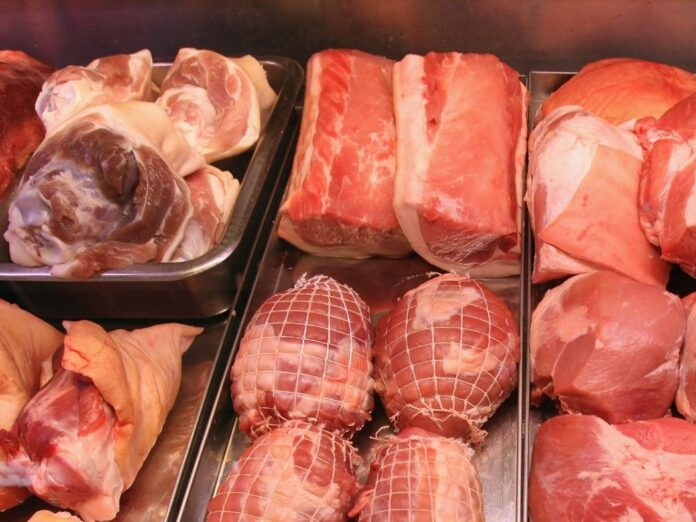
Images of unusual animal cuts can easily be presented without context, while old photographs, staged scenes, satire and AI generated material can be given new captions and circulated as breaking news. Once such content begins moving across Facebook, TikTok, X, WhatsApp and other platforms, the original source can become difficult to trace.
For now, there is no credible evidence establishing that people are secretly selling human flesh as ordinary meat to consumers. The repeated claims appear to rely largely on manipulated, unrelated or misleading material rather than documented evidence of a human meat trade.
That does not mean every food safety allegation should be dismissed. It means claims this serious require equally serious evidence, including identifiable locations, official investigations, laboratory findings and confirmation from credible authorities before they can be treated as fact.
