




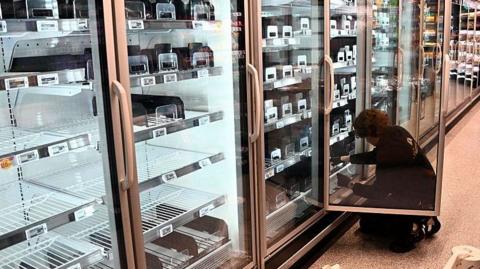
Supermarkets across seven European countries have been hit by a cyberattack targeting refrigeration systems, forcing retailers to discard fresh and frozen food after temperatures in some freezers reportedly climbed to 50°C.
The incident affected stores in Belgium, Luxembourg, Sweden, Ireland, the Netherlands, Estonia and Finland, disrupting operations and raising concerns about the vulnerability of internet-connected equipment used in the food retail sector.
Brandspur Brand News reports that around 40 Delhaize supermarkets in Belgium and Luxembourg were affected, alongside outlets operated by other retailers, including Carrefour, Colruyt, ICA, Coop and SuperValu.
The attack reportedly involved hackers manipulating refrigeration controls to switch evaporators into defrost mode, causing the units to warm up. Sabcobel, a Belgian refrigeration company involved in operating Delhaize’s systems, said it had been working to disconnect affected equipment from the network.
The company’s chief executive, Stephan Moelans, said the incident was a cyberattack and that efforts had been underway to address vulnerabilities following a similar incident in France in October.
The earlier attack affected hundreds of French supermarkets and reportedly resulted in millions of euros worth of food being discarded.
In Belgium, a Delhaize branch in Hoeilaart estimated its losses at €100,000 worth of produce. The figure did not include potential losses from having to close the store.

Other retailers also reported disruptions. Carrefour said 15 of its Belgian outlets were affected, while Colruyt confirmed that five stores experienced attacks on their refrigeration systems.
In Sweden, several ICA and Coop supermarkets were affected. Seven Coop outlets were hit, although the company said the situation had been contained. Some stores had to remove food from their shelves, while an affected ICA branch in Sjöbo temporarily closed before reopening.
Ireland’s Musgrave Group, which owns SuperValu, confirmed that refrigeration systems in 13 supermarkets were affected. The company said the incident was limited to a specific refrigerator model.
The latest incident has drawn attention to the risks associated with remotely managed refrigeration equipment. Many supermarkets rely on internet-connected systems that allow technicians to monitor temperatures and carry out maintenance without visiting individual stores.
The identity of those responsible for the attack remains unknown. National cybersecurity agencies in Belgium and Sweden are monitoring the situation, while the UK’s National Cyber Security Centre said it was working with international partners and industry to understand the incident.
For retailers, the consequences extend beyond the cost of replacing spoiled food. Disruptions to refrigeration can also affect store operations, supply chains and consumer confidence, particularly when essential food products must be removed from sale.
