

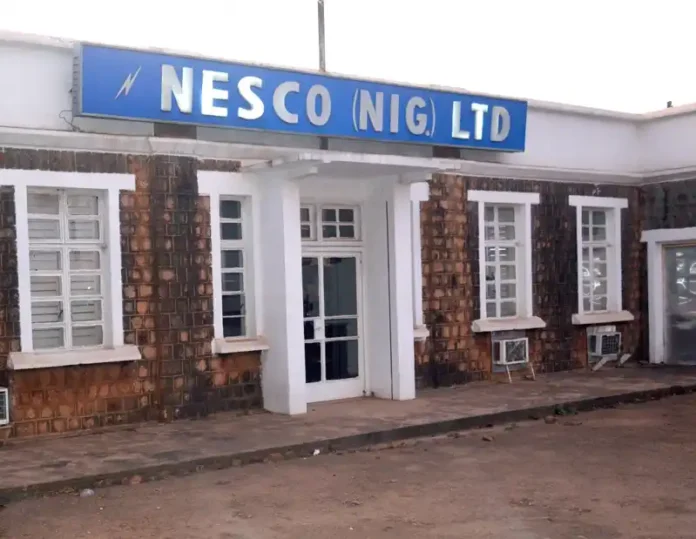
The Nigerian Electricity Supply Corporation (NESCO) has spent nearly a century generating and distributing electricity in Nigeria, operating hydroelectric power stations and maintaining its own electricity network while supplying households, mining companies and industrial consumers across several states.
Established in 1929, NESCO is an investor-owned electricity utility headquartered in Bukuru, Jos South Local Government Area of Plateau State. Unlike electricity distribution companies that primarily receive power from the national grid and deliver it to consumers, NESCO operates across different stages of the electricity supply chain, including generation, transmission and distribution.
Brandspur Business News gathered from the company’s corporate information that its operations cover more than 14,000 square kilometres, extending across Plateau, Benue, Nasarawa and Kaduna states, the Federal Capital Territory and neighbouring areas.
Read also: Lagos Targets 4,000MW Peak Electricity Demand As Consumption Forecast Rises
Seven Hydro Stations Behind NESCO’s Power
Hydroelectric power is central to NESCO’s operations. The company developed seven hydroelectric power stations along different river systems in Plateau State, using flowing water to generate electricity for its network.
Its official website puts the combined annual generation capacity of these hydroelectric facilities at approximately 145 gigawatt-hours. It also reports an overall annual generation capacity of 175 gigawatt-hours from hydroelectric and thermal sources.
The company’s hydroelectric infrastructure includes dams, reservoirs, water intake systems and power stations. One important feature of the arrangement is its interconnected water management system: a 2018 case study by All On and the Rural Electrification Agency explains that NESCO operates interconnected dams that feed its power stations, helping the company manage water availability throughout the year.
Some of its established facilities include the Kurra, Jekko and Ankwi power stations. The Kurra facility, at Kurra Falls, is among the oldest, dating back to the period when the company began developing its electricity infrastructure to serve the tin mines.
From Generation To The Customer’s Meter
Generating electricity is only one part of NESCO’s business. The company also operates transmission and distribution infrastructure through which the electricity reaches customers. Its transmission network moves generated electricity through high-voltage infrastructure, while its distribution system delivers power to homes, businesses and industrial facilities.
According to the company’s published information, its network includes 33-kilovolt feeders, 11-kilovolt sub-feeders and distribution transformers.
Its customers include domestic consumers, mining operations, commercial establishments and industrial businesses. NESCO also supplies bulk electricity to interested organisations and supports rural electricity distribution networks that are not connected to the national grid, allowing communities outside the conventional grid to receive electricity through an independently operated supply system.
Born From Tin Mining, Built On Reinvestment
NESCO’s history is closely connected to Nigeria’s mining industry. When the company began operations in 1929, one of its primary responsibilities was supplying electricity to tin mining operations in the Benue-Plateau region.
However, the decline of the mining industry in the 1960s forced the company to reconsider its customer base. Rather than depend entirely on mining businesses, it expanded electricity supply to surrounding communities and towns.
The All On and Rural Electrification Agency study documented how the company gradually expanded its rural electricity operations following the decline of its original mining customers. It identified NESCO’s maintenance culture, locally fabricated equipment components, long-term relationships with host communities and reinvestment of earnings as important factors behind its continued operations.
NESCO reportedly operated without debt, funding its projects through equity and retained earnings. The study stated that the company reinvested between 65 and 70 per cent of its annual earnings into the business.
Beyond supplying electricity, NESCO also undertakes electrification projects, including the construction and management of electricity infrastructure for government agencies and private organisations. Its construction division has previously worked on projects for state governments, the defunct Power Holding Company of Nigeria and private commercial organisations.
What NESCO Can Teach Nigeria’s Power Sector
The company’s long operating history offers an example of an electricity utility that has maintained generation and distribution infrastructure independently of the national grid, at a time when Nigeria’s power sector continues to wrestle with grid collapses, gas supply problems and liquidity shortfalls.
Its experience, however, does not mean its operating model can automatically be replicated across Nigeria, where population size, geographical coverage and electricity demand present different challenges.
Nevertheless, NESCO’s operations demonstrate that electricity generation, transmission and distribution can be organised within an integrated utility structure, with hydroelectric power playing a significant role in supplying consumers.
