LASEMA increases dispatch centres, gets aquatic unit

0

The Lagos State Government has approved the establishment of additional Emergency Dispatch Centres across the state to improve emergency/disaster management. Mr Seye Oladejo, Commisioner for Special Duties and Inter Governmental Relations made the disclosure yesterday, at the Quaterly Statekholders Meeting organised by Lagos State Emergency Management Agency, LASEMA, in Lagos.

Image result for lasema lagos

The theme of the meeting was: ‘A new Dawn in Emergency/Disaster Management in Lagos.’ Oladejo at the evnt, said the new dispatch centres in Lekki, Ikorodu Road, and Badagry, were aimed at complementing the existing ones located at Cappa, Oshodi and the Control Centre at Alausa, Ikeja. According to him, the state government had commenced advocacy and campaign to inform and educate people on the issue of safety and necessary precautions to avert such emergencies/disasters. The General Manager of LASEMA, Mr Adesina Tiamiyu, said the meeting was to review and plan collective roles in emergency/disaster prevention, preparedness, management, mitigation, response and recovery.

Image result for lasema lagos

He said the state government had invested funds to get equipment and was training personnel on their use. “For us as responders, we don’t want to disappoint the governor and Lagosians; we are working in synergy to ensure that at any emergency/disaster place, we all have a role to play.” “We have the paramedics, fire fighters and the new aquatic unit. Prior to the instruction by the governor to set up an appropriate unit, LASEMA had retainership of divers in Lagos. “Very soon, what we will see is LASEMA branded boats, jet skid, joining forces with those on the waterways.

This will also improve the capacity to respond to any emergency in the waterways,” Tiamiyu said. He enjoined Lagos residents to exercise patience during emergency calls and give full details of emergency/disaster to enable responders combat emergency incidents. Stakeholders in attendance included clerics as well as members of the Red Cross, Police , Army, Navy and paramilitary groups.

(VanguardNgr)

Lagos launches community ‘police’

0

Lagos State Governor, Akinwunmi Ambode, on Monday launched the rebranded Lagos Neighbourhood Safety Corps, with a pledge that the security of lives and property in the State is non-negotiable.

A total of 177 salon cars and vehicles equipped with communication gadgets, 377 motorcycles, 377 helmets, 4,000 bicycles, metal detectors for ensuring that illegal weapons are not smuggled into public places, among other operational equipment were handed over to the Corps by the governor.

Speaking at the official launch held at Agege Stadium, Governor Ambode said the move was another giant step towards enhancing security all over the State and a vital part of the ongoing efforts of his administration to reform the security and justice sector.

Image result for Lagos launches community ‘police’

The Governor, who on August 15, 2016 assented to the law that created the Neighbourhood Safety Corps, said the Corps had been designed to provide a second layer of policing in order to ensure that the state and communities are more secure.

He acknowledged the fact that the Nigerian Police had been very supportive to the State Government especially in fighting crime, but that the need for the Neighbourhood Corps arose from the identified security challenges confronting the State due to huge population, adding that the members of the Corps would complement police especially in areas of community policing.

“Let me, however, make it abundantly clear that the Neighbourhood Safety Corps is not in any way in competition with the regular Police Force.

Image result for Lagos launches community ‘police’

“In actual fact, they are expected to assist and complement the Police by providing useful intelligence for crime prevention and to facilitate the arrest of perpetrators of criminal activities in our communities,” Governor Ambode said.

He added that in realisation of the fact that nothing can be more important in law enforcement than educating the people in charge of enforcing the law, the rebranded Neighbourhood Corps have been trained and equipped with the requisite knowledge and skills to complement the good work of the Nigerian Police.

He said in addition to the induction on orthodox community policing techniques, the Corps were also trained on how to mediate disputes and the art of negotiating for peaceful resolution, balancing communal interest in resolving disputes and proactive policing engagement instead of reactive policing.

“Special hotlines have also been created direct to the Executive Secretary and senior management of the Neighbourhood Safety Corps Agency for easy communication with our communities in the event of any crime.

“Any valuable information given to the Corps will attract handsome rewards from the State Government. I therefore call on all Lagosians to join hands with us to say a final NO to crime in our State.

“All these equipment have been made possible through the judicious use of taxpayers money and funds from the State Lottery Fund for good causes. Please continue to pay your taxes for a better Lagos.

“I am very happy to state that through this Safety Corps initiative the State Government has created over 7,000 jobs for officers of the Corps, artisans and other support staff. Job creation is at the heart of economic prosperity and we remain fully committed to a more prosperous Lagos for our citizens,” the Governor said.

The governor, however, charged the Corps not to indulge in brutalizing citizens, but that they should exercise restraint, patience, understanding and maturity while carrying out their duties.

Besides, the governor said in order to further strengthen security, a new executive bill to regulate employment of domestic workers and security guards would soon be forwarded to the State House of Assembly, explaining that the bill, among others, will prescribe regulations for the set of workers and other details to monitor their activities.

While noting that there is no room for child abuse or under aged workers, Governor Ambode said it had been discovered that domestic workers were largely undocumented and pose a grave security threat in the State.

Image result for Lagos launches community ‘police’

He also said the recruiting agencies, under the bill, would be licensed and regulated to ensure safety.

The governor also handed over four vans fitted with Close Circuit Television Cameras (CCTVs) to the Rapid Response Squad (RRS) of the State Police Command.

Nigeria ranks 4th in soft drinks consumption globally

German Engineering Federation has today ranked Nigeria as the fourth country with the most sales of soft drinks globally.

The fact was revealed by Mrs Martina Claus, Head of Market Development, while speaking at the ongoing Third International Trade Exhibition on Agrofood, Plastics, Printing and Packaging in Lagos, reports NAN.

She said that the statistics on soft drinks sales were sourced from the Euromonitor International, a global market intelligence publisher.

The market developer said the statistics showed that 38.68 million litres of soft drinks were sold in Nigeria in 2016.

“This puts Nigeria behind only the United States (114.75), China (88.18) and Mexico (45.30) in the top markets ranking.

“Also, 1.98 million litres of alcohol was sold in Nigeria in 2016, while the total volume of milk products sold was 147 tons.

“Nigeria’s fast-growing population brings with it a continuing demand for soft drinks, especially as the climate is quite hot.

“Urbanisation also drives demand for ready to drink soft drinks amongst busy, on-the-go consumers.

“Lack of potable water is largely responsible for the consumption of 36.08 million litres of bottle water in 2016,’’ Claus explained.

According to her, the Nigerian food and beverage market remains viable for investment in spite of the challenges of high energy cost and volatile raw

material prices.

Globacom lost more subscribers, Etisalat Leads in February porting activities

The Nigerian Communications Commission (NCC) says porting activities within telecommunications service providers increased by 2,321 in February.

NCC’s online report of “Incoming and Outgoing Porting Activities of Mobile Network Operators” for February disclosed this on Tuesday in Lagos.

It said that by this increase, subscribers porting within the network had reached 21,831 from the 19,510 recorded in January.

It said that out of the 21,831 porting activities in February, 10,771 were “incoming porting activities”, while 11,060 were “outgoing activities”.

The report revealed that in the outgoing table, 4,003 subscribers moved from Globacom Nigeria to other networks through the Mobile Number Portability (MNP) in February.

It said that 2,884 customers moved from MTN Nigeria; 2,662 subscribers moved from Airtel Nigeria, while 1,511 customers of Etisalat Nigeria ported to other networks within the same period.

However, in the incoming table, Etisalat led by an additional 6,551 customers on its network in February.

Airtel Nigeria came second on the gainers’ list with 2,090 subscribers, 1,552 subscribers moved to MTN Nigeria, while Globacom Nigeria got 578 customers.

NCC started monitoring the porting of mobile operators since  April 22, 2013, with the aim of deepening competition in the industry.

Five cool Amala spots in Lagos you need to visit soon

If you live in Lagos and you don’t eat Amala regularly, you are not living in Lagos o. Amala has a great charm but sometimes I think it’s the assorted meat and Ewedu mixed with Gbegiri that does the wonders. You can’t miss the vibe it gives you when you sit in an upscale buka eating hot soft Amala pressed in a white ceramic bowl with eran orisirisi (assorted meats).

Image result for amala food

If you are a young person living in Lagos albeit Mainland or Island, nothing should separate you from Hot Amala, not even your cultural diversity or new found fine tasting in French or Italian restaurants should deter you.

But seriously, try these Amala spots in April and who knows you might be hooked (this is coming from a place of content and experience).

The list is not according to ratings.

  1. Amala 4 Real

Yes, it is for real!

Venue: Castle Rock Avenue, Next to AA Rescue, Off 5th (Jakande) Roundabout, Lekki, Lagos

Type: Dine Out, Takeaway

Cost: As your belly wants, approx. 700 naira for a good plate

2. Canada Amala

No, you’re not flying to Canada. It’s right in Ebute-Metta, yes! Along with third mainland bridge.

Venue: Cemetery Road, Ebute Metta East, Lagos

Type: Dine-in, Takeaway – Upscale Buka feel with AC, sometimes.

Cost: As your belly wants approx. 500 naira for a good plate

3. Olaiya Amala

Some people consider this cool spot as the King(Iya) of Amala. Everyone has their preferences!

Venue: 109 Akerele Road, Surelere, Lagos

Type: Outdoor speaking, Takeaway

Cost:  As your belly wants approx. 1000 naira for a good plate

4. White House Amala

If you often visit E-centre popularly referred to as Ozone Cinemas in Yaba, then you must have journeyed to the shop painted white known as White House.

Venue: 9 Chapel street, Sabo, Yaba adjacent to E-center

Type: Dine-in, Takeaway

Cost:  As your belly wants approx. 600 naira for a good plate.

5. Amala Express

They have a good social media presence and a website, which is very impressive. It’s always good to express your love for Food!

Venue: 69 Freedom way, Lekki 3rd Roundabout, Lekki Phase 1, Lagos

Type: Delivery, Dine-in, and Takeaway

Cost: As your belly wants approx. 1500 naira for a good plate.

Just so you know, there’s Laafun (White Amala) and the original coco looking Amala.

Explore Amala joints!

Do you know any other Amala joint(s) in your area? Please drop the details in the comment section below…


(Bussinessday)

Flavoured Cigarettes: A Sinister Ploy to Ensnare Children

With the rising influx of flavoured cigarettes into the Nigerian market, which are mostly targeted at luring children, Martins Ifijeh writes on why the government and stakeholders must strengthen interventions against illicit tobacco trade in the country
  
With the proliferation of flavoured cigarettes into the Nigerian market, the inauguration of the National Tobacco Control Committee (NATTOC) by the Minister of Health, Prof Isaac Adewole, last year, gave strong indications of the Federal Government’s readiness to commence the implementation of the National Tobacco Control Act (NTCA).
NATTOC’s roles in the implementation of NTCA are critical in many ways. They coordinate multi-stakeholder national youth smoking prevention programmes, advise and make recommendations to the Health Minister, and screening or processing applications for licence to manufacture or import or distribute tobacco products in Nigeria.
Perhaps one burning issue, which the committee is expected to address with urgency, is the rising volume of illicit trade in tobacco and more importantly, the proliferation of flavoured cigarettes considering its implications for youth smoking.
Illicit trade in tobacco accounts for an estimated 600 billion cigarettes per year worldwide. These illicit cigarettes have either been smuggled, counterfeited or evaded duties in another manner. The illegality thrives on the fact that cigarettes are among the most commonly traded products on the black market due to high profit margins, relative ease of production and movement, and low detection rates and penalties.
Moreover, illicit tobacco trading poses greater danger to global security. According to the WHO Regional Director for South-East Asia, Dr. Poonam Khetrapal, “while the smuggling of contraband tobacco products across national borders has always been profitable, illegal tobacco trade is now the trademark for organised crime networks, which may also be involved in drugs, human and arms trafficking, as well as terrorism.”
She observed further that “cigarettes are becoming a preferred item to smuggle. Besides, unlike smuggling narcotics or other hard-core trafficked products, punishment for smuggling tobacco is less severe.” This is in addition to the fact that since tobacco products are not usually a high priority for enforcement agencies, they are attractive to smugglers.
Even more disturbing is the proliferation of flavoured cigarettes and the inherent risks. Flavoured cigarettes contain fragrances and sweet fruity flavours that resonate with children and malevolently obscure the strong taste of the tobacco. Thus, they have a powerful and irresistible appeal for children and young adults thereby making it easy to embrace and hard to quit. This allure is capable of not only initiating underage smokers but also adults, who previously didn’t smoke, into the habit. The Centres for Disease Control and Prevention (CDC), U.S. also confirms that it can be a ready tool for luring adolescent beginners into tobacco consumption.
Not only does the NTCA clearly forbid the sale of cigarette to anyone below the age of 18 but also their involvement in the tobacco business. It also frowns on the production and packaging of cigarette in any form that can entice young people into smoking.
The World Health Organisation (WHO) estimates that 18 per cent of Nigerian teenagers aged 13 and 15 have previously smoked cigarette.
Regulatory bodies, on their part, are not relenting as they have on a number of occasions taken the battle to the sellers, while exercising their statutory functions.
For instance, the Standards Organisation of Nigeria (SON), caused a consumers’ alert to be published in some national dailies in February, 2015 to sensitise the general public about the distribution and marketing of non-compliant brands of flavoured cigarettes.
In the said advertorial, it accused the company that imports the brands of not having due authorisation to import, distribute and market same and advised marketers, distributors, retailers and consumers to refrain from purchasing the non-compliant brands. The public alert also stated that “these brands of cigarettes are not allowed to be manufactured or imported into Nigeria by the Nigeria Industrial Standard for Tobacco Products (cigarettes), as it could initiate and induce children into smoking.”
Besides, imported cigarettes do not bear the same health specifications and warnings, compared to locally manufactured cigarettes. Thus, the health implications for the consumer are grave.
It is noteworthy that the manufacturing, importation and sale of flavoured cigarettes are in violation of Section 4.7 of SON Cigarettes Standards 2014 which states: “Flavouring substances with potential to initiate or appeal to children, such as strawberry, banana, apple, among others, shall not be used in the manufacture of cigarettes.”
It is quite disturbing the manner in which the importers of these illegal products are constantly devising ways of evading regulation. Following SON’s prohibition of the display of flavours on the cigarette packs, whilst some of the manufacturer/importers of these flavoured products devised dubious means of still featuring flavours on the packs by using colours associated with the various fruity flavours, and or using abbreviations of fruity flavours on the packs i.e a red pack with “STR” representing Strawberry, an orange pack with “ORG” for Orange and brown pack with inscription “CHO” for Chocolate on the cigarette packets.
Others still have fruity symbols such as “cherry” both pictorially and in words on the cigarette packets. What is more worrisome is the childlike appeal of these brands of cigarettes to underage children even when under watchful eyes of their parents.
When a packet of such products is picked up, the fruity flavours on the packaging is readily perceived even before it is lit. When lit, it gives off a nice aroma that masks the tobacco smell as fruity air fresheners or fragrances. No doubt, the act is intended to attract children by their fruity nature and also mask the smell of tobacco even after being smoked. By so doing, it would be very easy for a child to smoke such products and go undetected even right under the nose of an adult.
The United States Food and Drug Administration (FDA), on September 22, 2009, placed a ban on cigarettes containing certain characterising flavours. The ban, authorised by the Family Smoking Prevention and Tobacco Control Act, is part of a national effort by FDA to reduce smoking in America.
FDA’s ban on certain characterising flavoured cigarettes highlights the importance of reducing the number of children who start to smoke, and who become addicted to dangerous tobacco products.
In walking its talk, SON has in recent years conducted raids in some locations in the South-west of Nigeria and some northern and eastern states in which dealers in flavoured cigarettes were apprehended and had their shops locked up. Authorities are particularly worried that the widespread nature of the product in the northern part of the country might further aggravate the prevalence of adolescent smoking in the region.
No doubt, the recent raids will reverberate, in the minds of flavoured cigarettes dealers, SON’s determination to stem the tide. Such efforts can only be successful with the collaboration of sister agencies like the Nigeria Police and other law enforcement agencies in the country.
(Thisdaylive.)

Multimedia service outfit deploys Wi-Fi hotspot network in Abuja

Legend, a multimedia serve brand, has deployed a municipal Wi-Fi network in the Federal Capital Territory (FCT) providing access available to the public on a paid or free basis.

The FCT has now joined over 100 cities across the world with the latest initiative of the outfit with a chain of hotspots connected through a type of wired or wireless backhaul system using a cluster of Wireless Access Points (APs).

In a statement issued yesterday in Abuja by the Chief Marketing Officer driving the LEGEND brand – Gabriel Gab-Umoden said Abuja is now the 4th city to get this network in Africa, adding that Municipal Wi-Fi networks pose many advantages to the citizens.

Among the advantages according to the statement is that wireless infrastructure can provide low-cost or free Internet access to those in need, and could aid in a program to make computers — and Internet access — available to disadvantaged families.

“Public services such as: CCTV security systems, access to emergency services and online city directories can ride on the back of a municipal Wi-Fi network, ensuring the security and safety of citizens.

“Wi-Fi hotspots are powered by fiber-optic cable connectivity, which means that these networks possess huge bandwidths that allow for heavy usage from multiple users without any compromise in speed. Users who like to download or stream, will find these Wi-Fi networks very conducive for such activities.

“Wi-Fi access can range from free to as low as N3,400 per month, for unlimited access, any time of the day. This represents significant value for money and relieves the citizens from huge monthly Internet Service Provider fees.”

“With such a widespread network, citizens can now have ubiquitous access to a high quality, affordable network and can be more flexible in their subscription plans, not having to tie themselves down to bulky contracts / monthly service fees.”

Gab-Umoden also explained that Legend has developed a robust network of fiber optic backbone across the Abuja metropolis, saying “this dense fiber-optic network is being used to power a chain of Wi-Fi hotspots with super-fast internet, accessible by thousands of users at a time. These hotspots are called Legend Zones and they are the building blocks of Abuja’s first Municipal Wi-Fi network.”


(Guardian.Ng)

Fcmb’s Profit Rises By 109% To N16.3bn In 2016, Declares 10k Dividend

FCMB Group Plc has again demonstrated its resilience by reporting a profit before tax (PBT) of N16.3 billion for the full-year ended December 31, 2016, an increase of 109% compared to the N7.8 billion for the same period in 2015. Profit after tax also rose to N14.3 billion as against N4.8 billion prior year.

Following these, the financial institution has recommended a dividend of 10 kobo per share to shareholders.

FCMB Group which is the holding company of First City Monument Bank (FCMB) Limited, FCMB Capital Markets Limited, CSL Stockbrokers Limited and CSL Trustees Limited, also reported a number of appreciable growths in key operating areas going by the audited results. Gross revenue as at the end of December 2016 was up by 16% to N176.35 billion from N152.51 billion in the previous year. This was in spite of the challenging macroeconomic environment and other regulatory factors.

Non-interest income grew to N47.7 billion, an 86% Year-on-Year (YoY) increase, as against N25.6 billion in 2015. This was mainly driven by N29.3 billion in foreign exchange revaluation gains.

Consistent with its value as a helpful financial institution committed to the growth of individual and business aspirations, the FCMB Group results showed an increase in credits advanced to customers last year. Loans and advances rose by 11% from N593 billion in 2015 to N660 billion in 2016. Total assets increased marginally by 1% from N1.16 trillion to N1.17trillion.

In addition, operating expenses decreased by 2% to N65.8 billion, just as non-performing loans to total loans ratio declined from 4.2% in 2015 to 3.7% in 2016. The Group’s capital adequacy ratio stood at 16.7%. However, customer deposits reduced to N658 billion from N700 billion.

First City Monument Bank (FCMB) Limited, the flagship of FCMB Group Plc and the commercial and retail banking arm of the holding company, also sustained its impressive performance over the years. The financial results show that the bank’s net interest income grew by 9% (YoY) from N62.8 billion in 2015 to N68.6 billion in 2016.

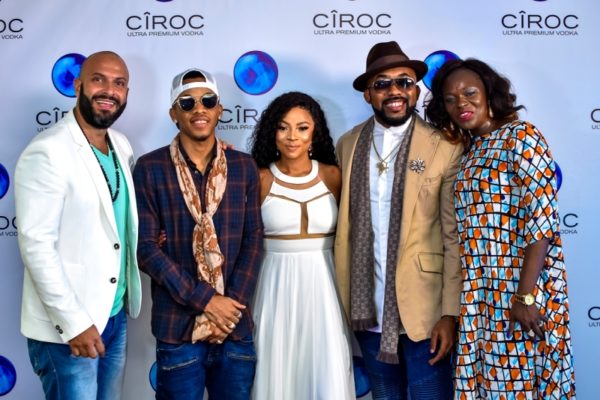
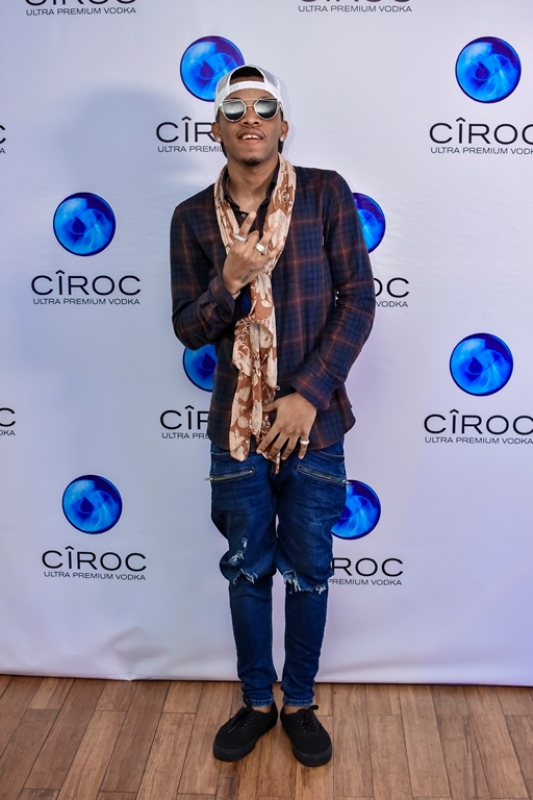
Cîroc Unveils Toke Makinwa, Tekno as Brand Ambassadors & Renews with Banky W for their ‘On Arrival’ Campaign (Exclusive Pix)


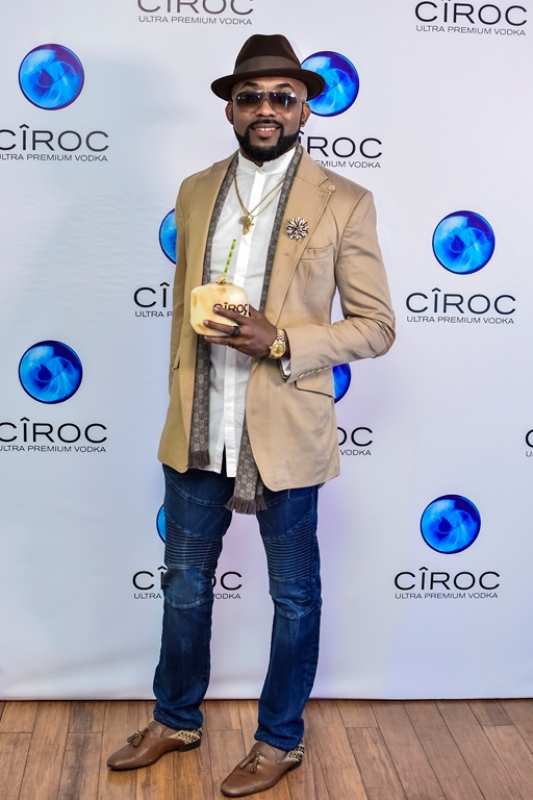
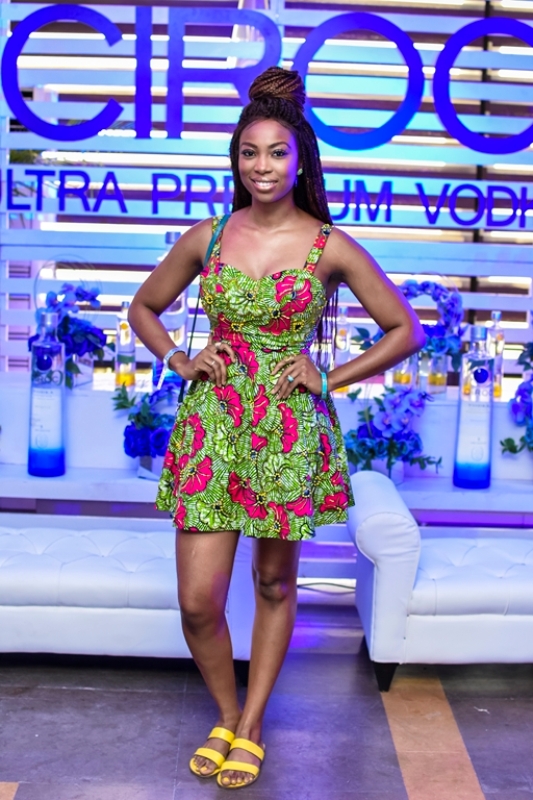
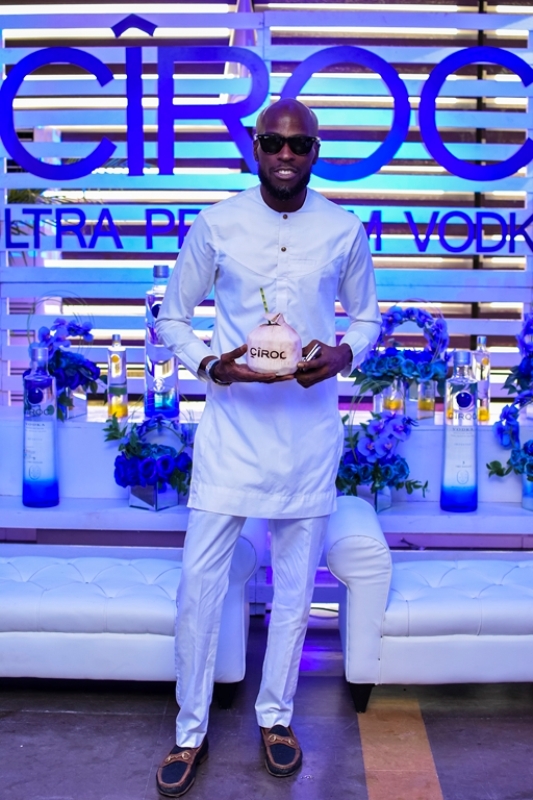
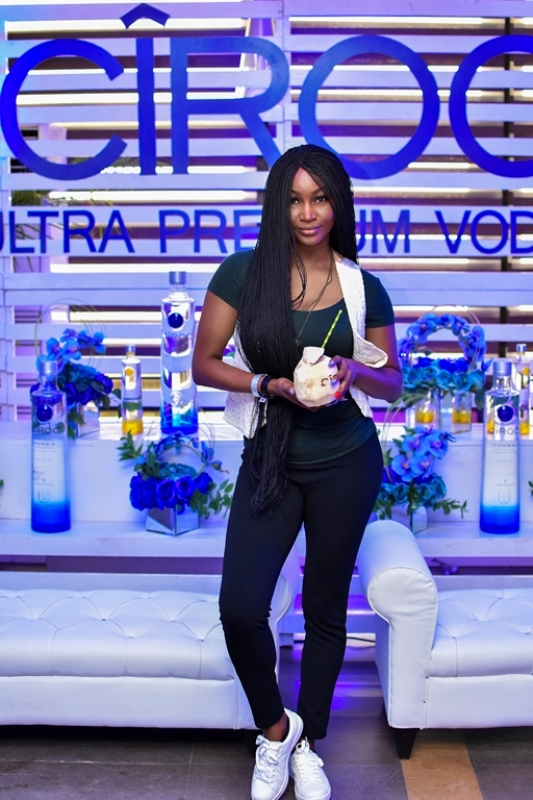
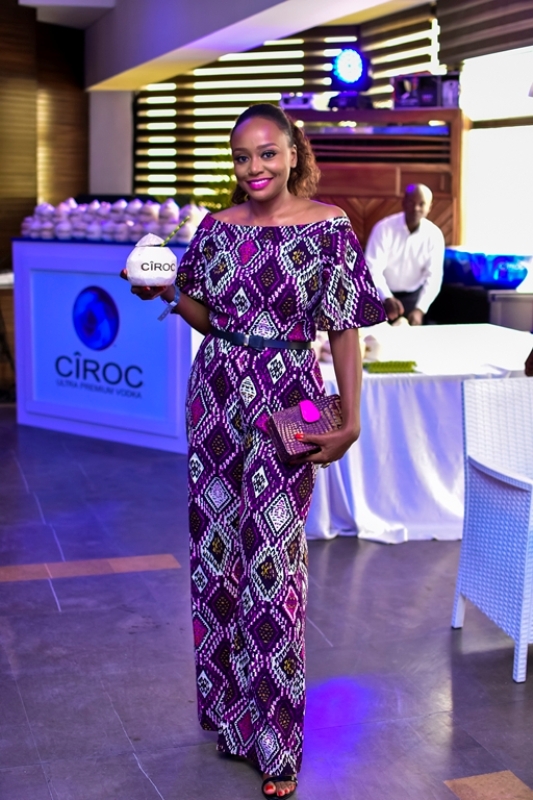
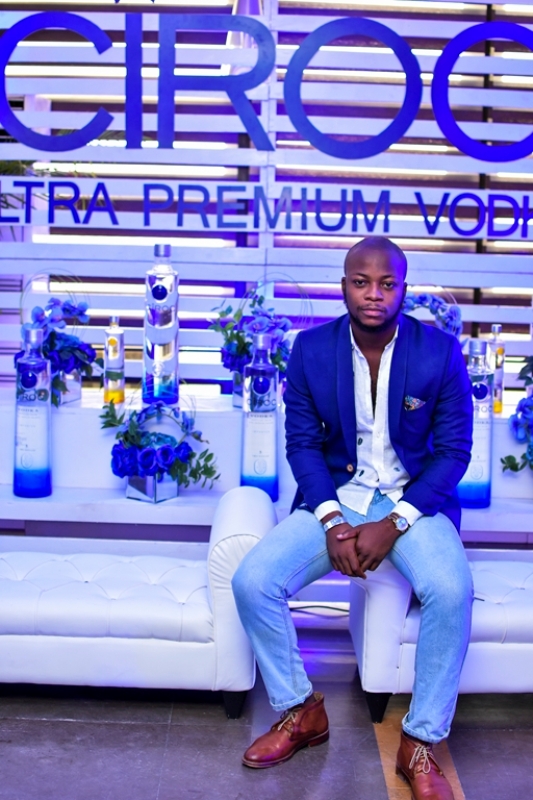
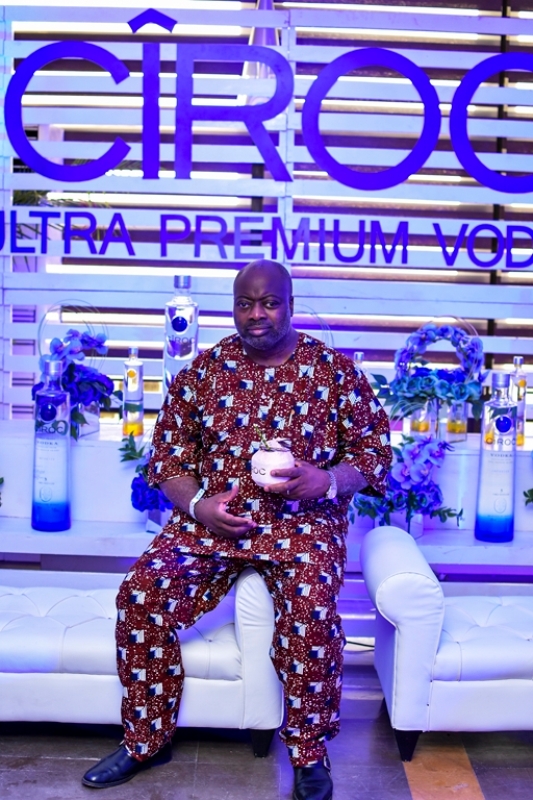
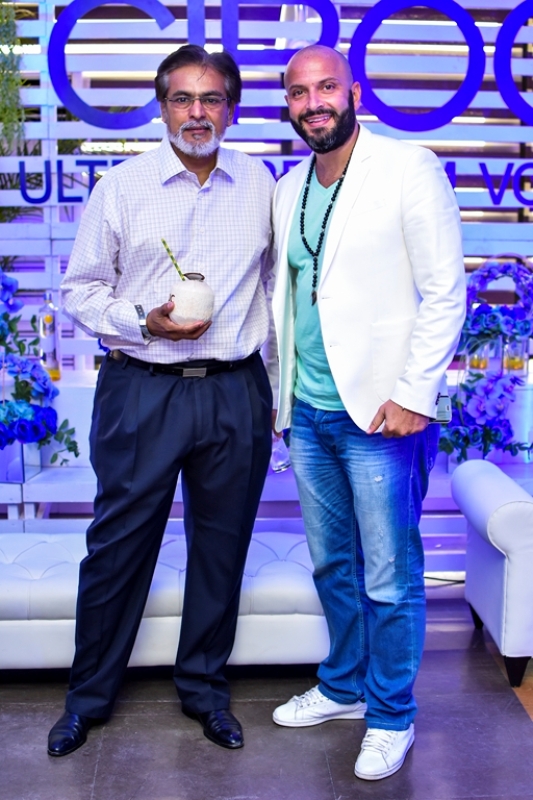
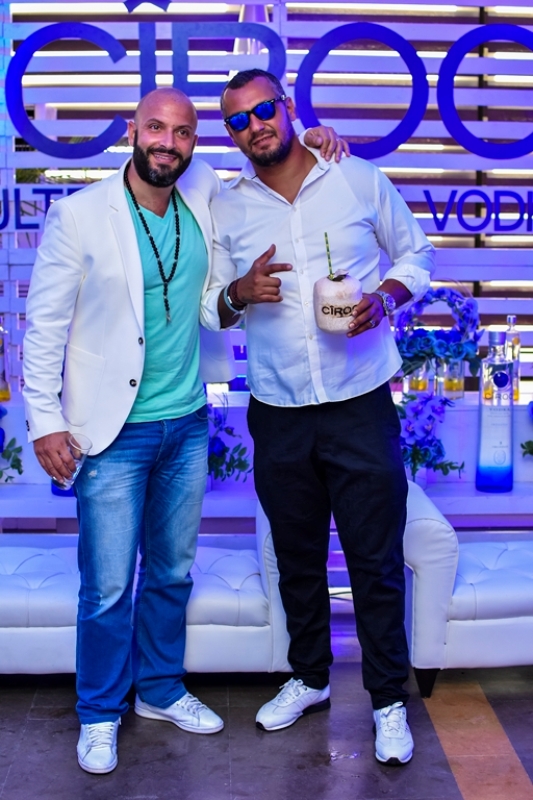
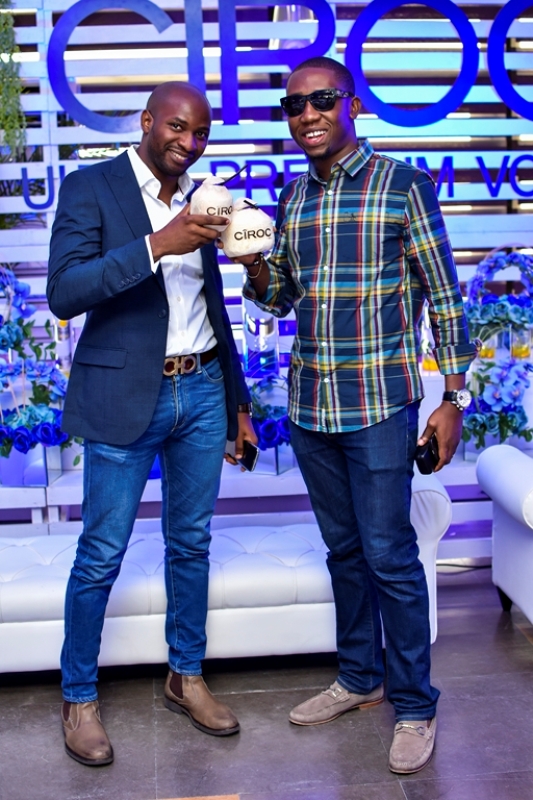
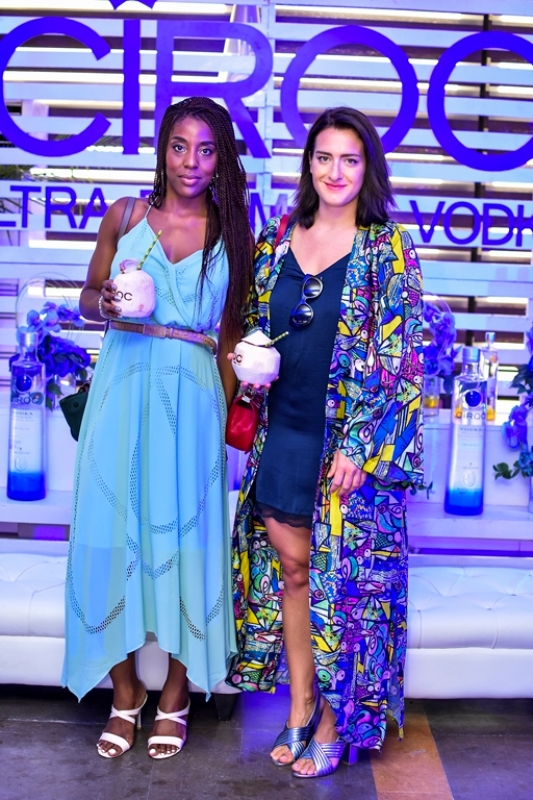
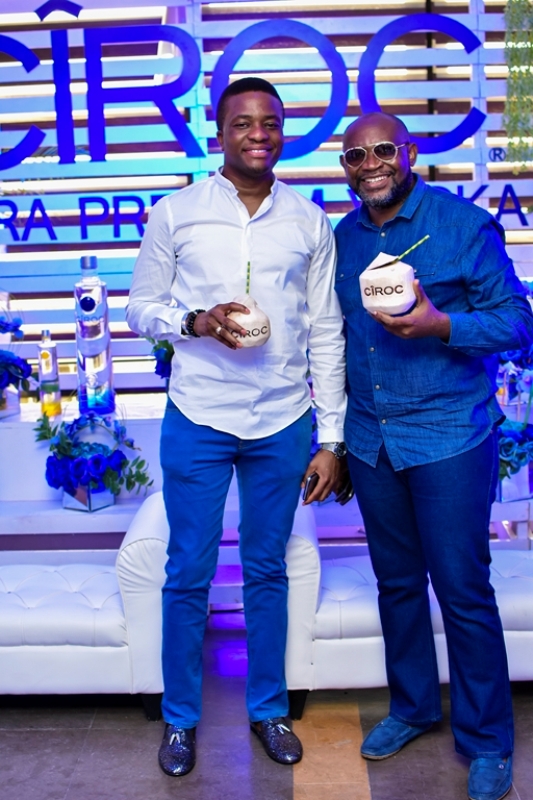
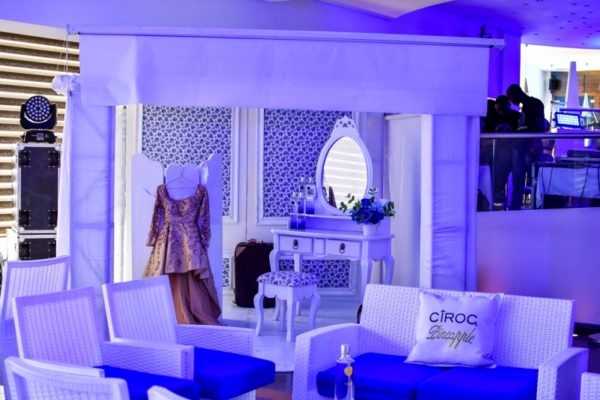
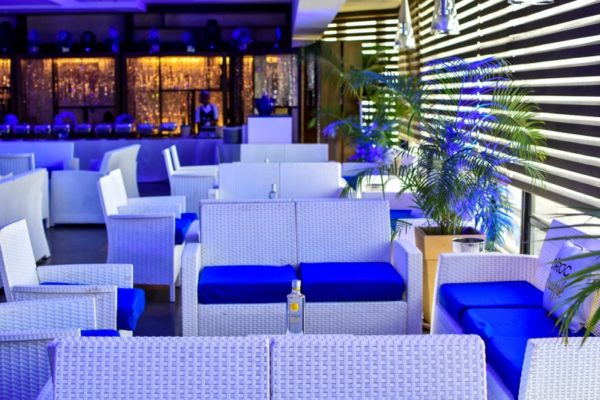
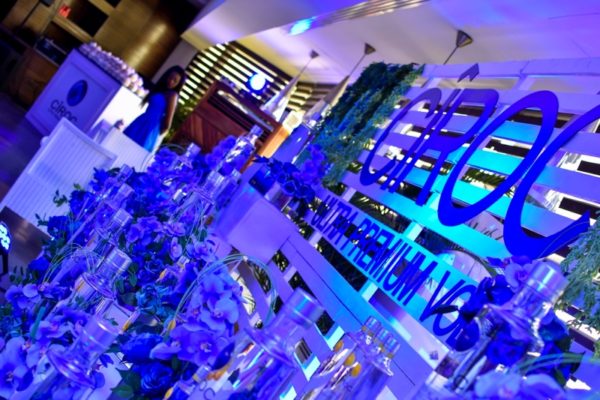
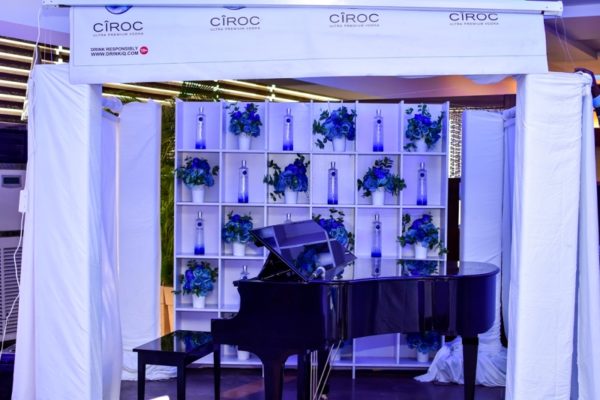
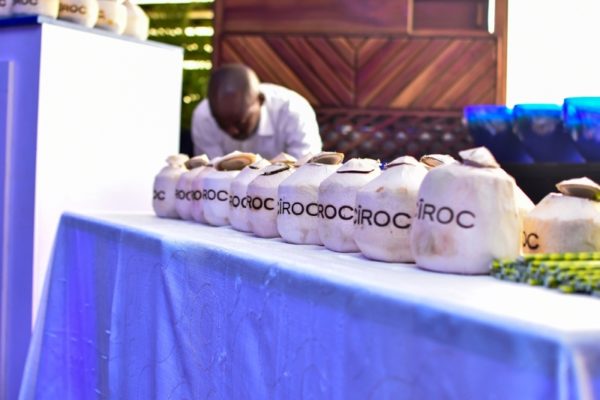
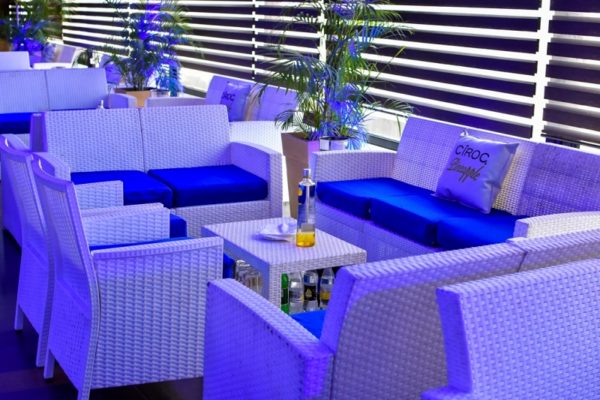
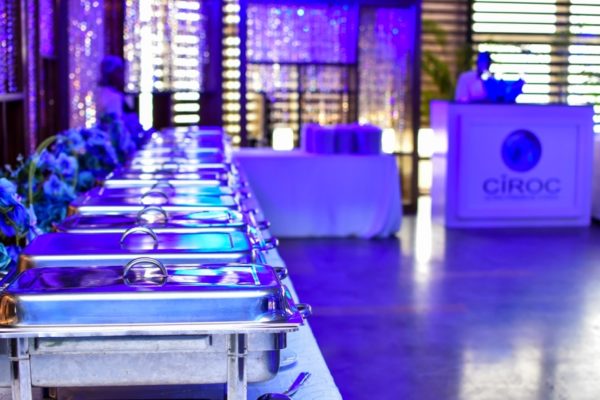
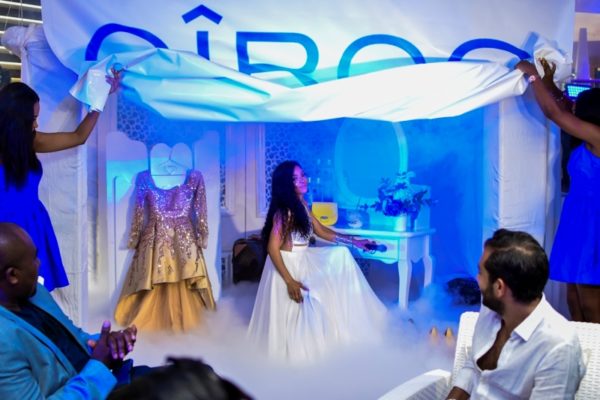
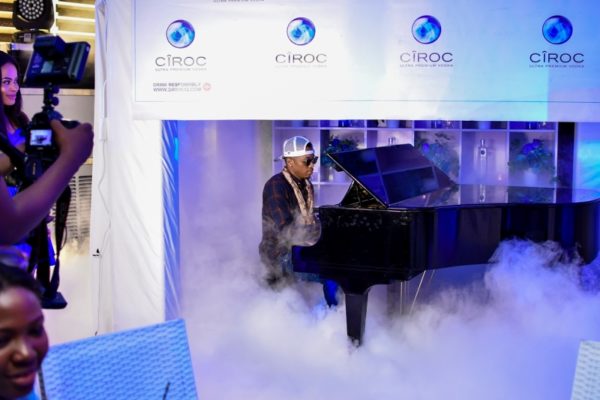
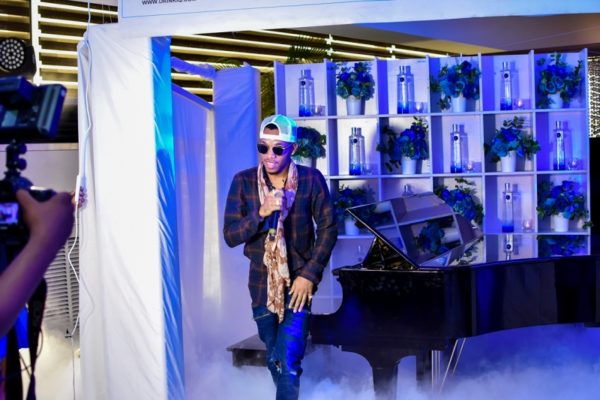
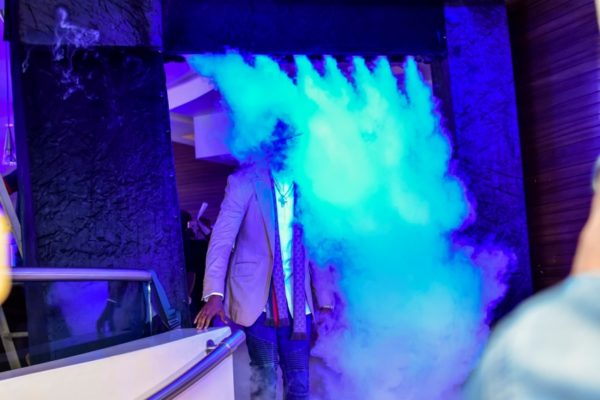
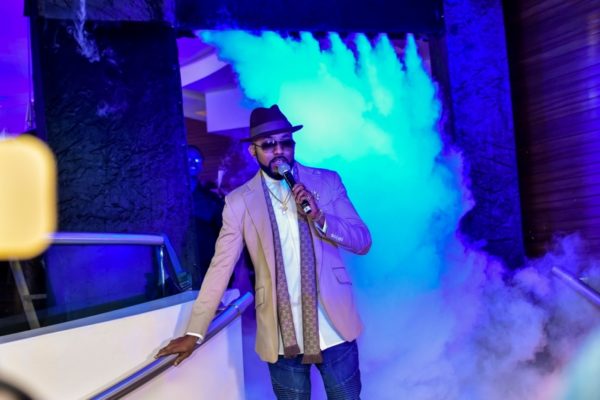
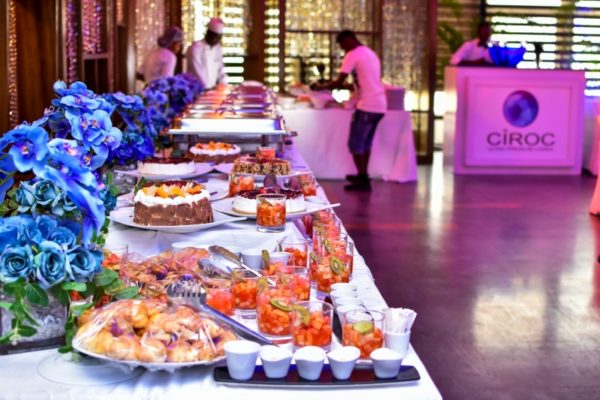
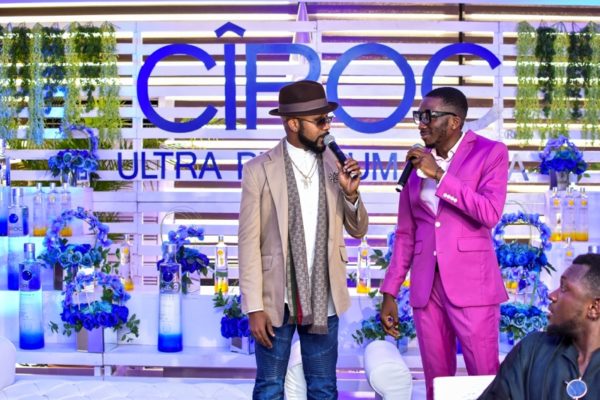
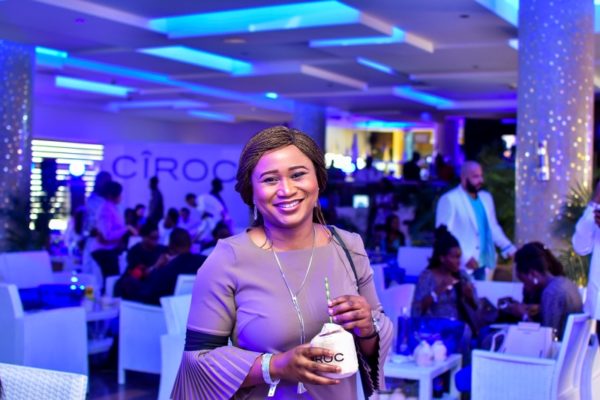
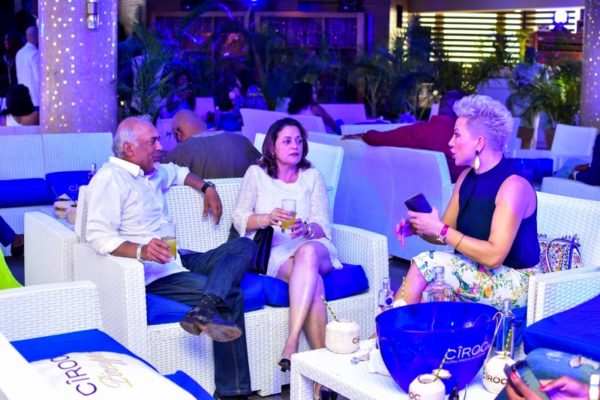
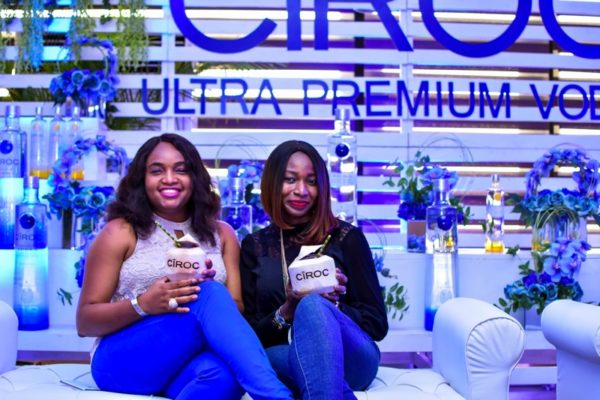
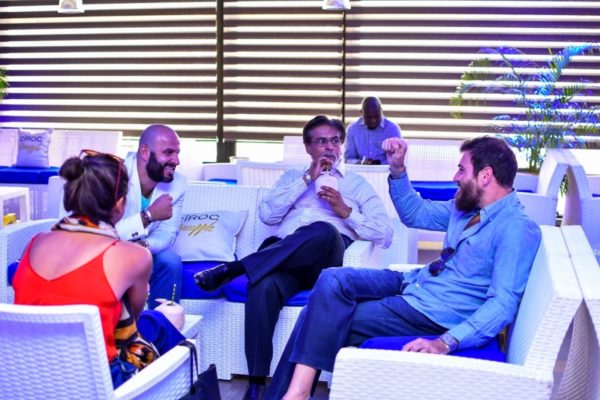
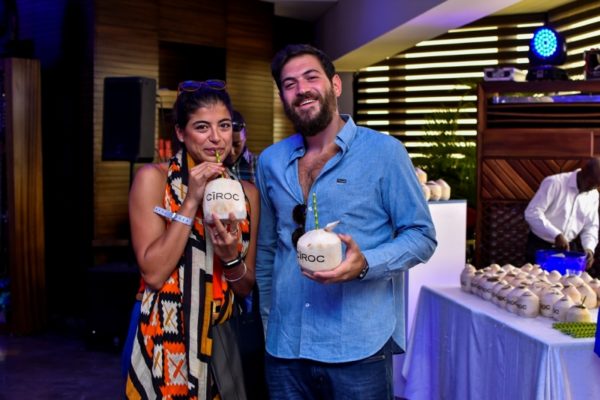
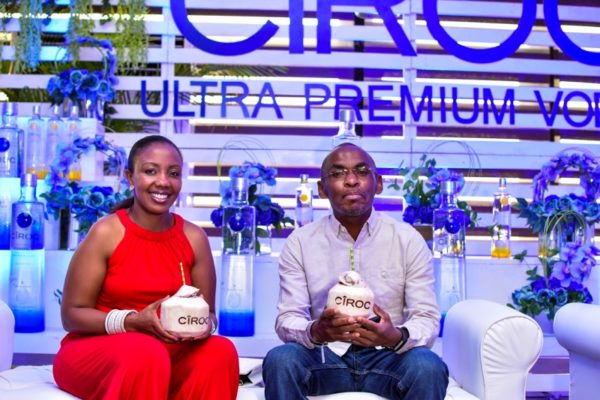
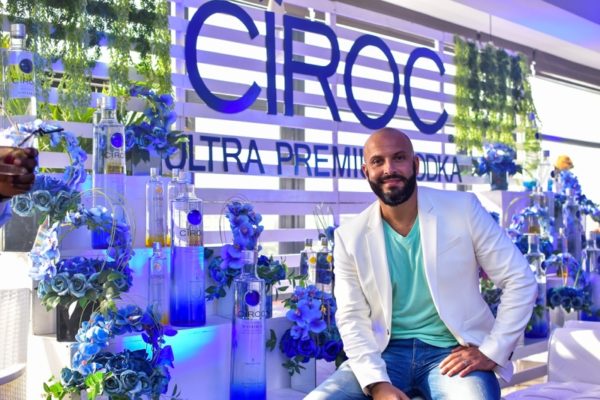
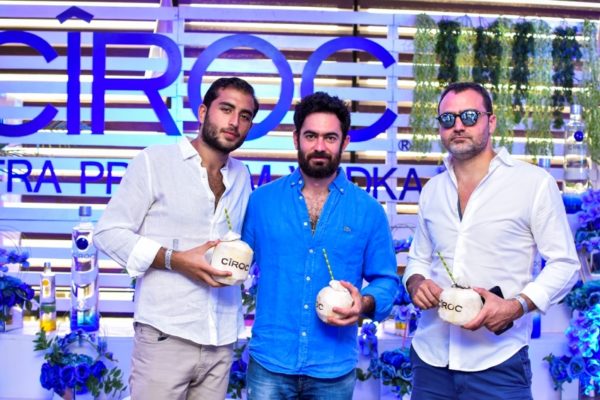
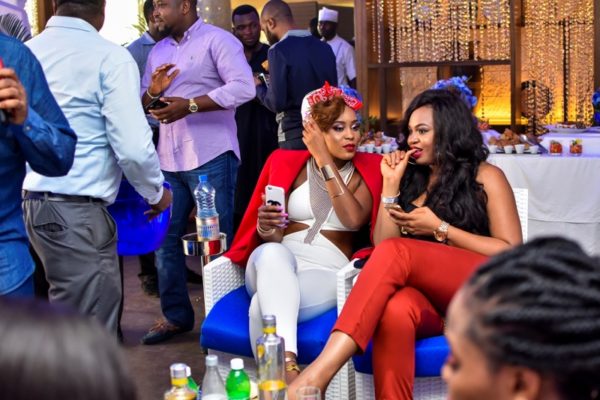
On Saturday, March 25th, Cîroc Ultra-Premium Vodka unveiled three brand influencers in spectacular fashion to unsuspecting A-listers at the Sky Lounge Restaurant, Lagos. Best-selling author and media personality, Toke Makinwa; chart topping artist/producer, Tekno; and veteran crooner, Banky W were handpicked for their individual embodiment of CÎROC’s playful luxe attitude and will join other A list influencers globally to bring the brand’s On Arrival campaign to life from April 2017.

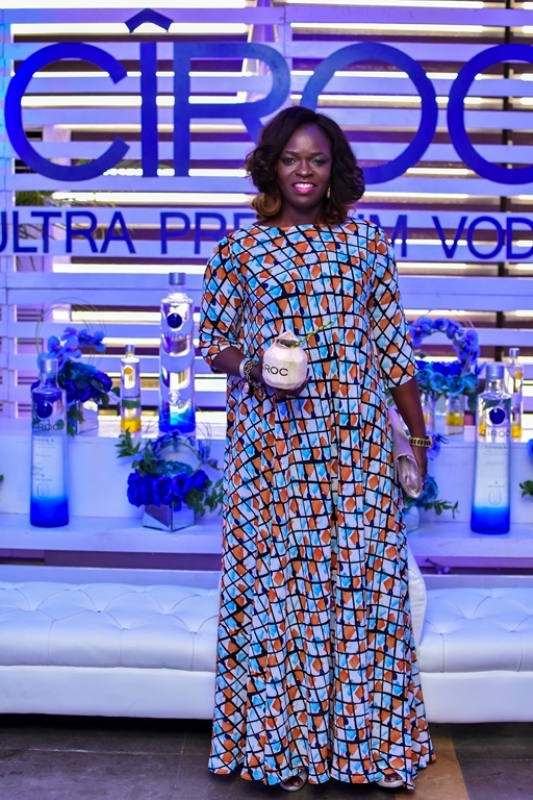
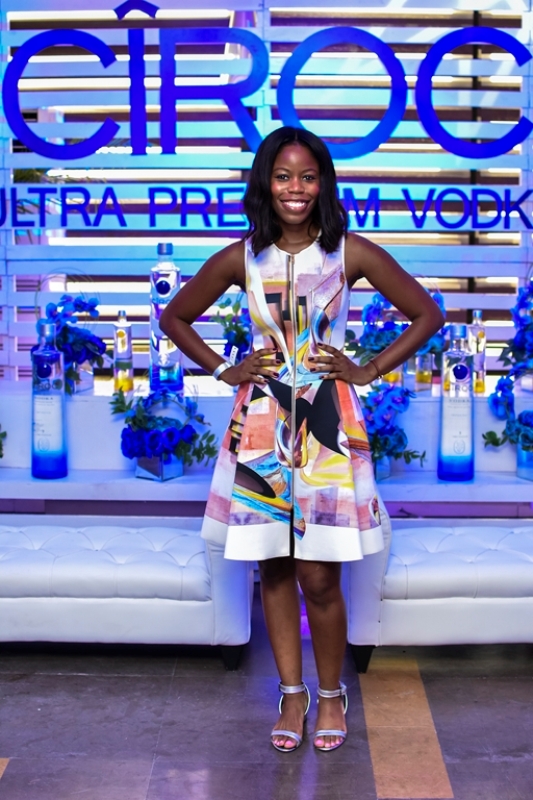
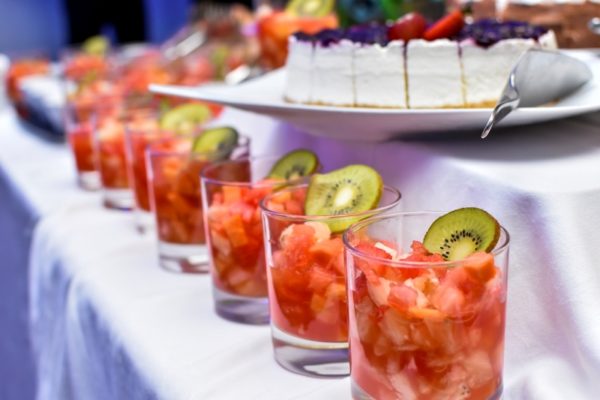
The unveiling tagged ‘Cîroc Dejeuner Buffet’ was a defining cultural moment for the tastemakers, socialites and creative-types in attendance. Hosted by Ace comic Bovi; guests enjoyed a fabulous assortment of Cîroc Summer cocktails whilst savouring the lavish selection of brunch favorites from homemade pastries and French toast to sumptuous deserts.

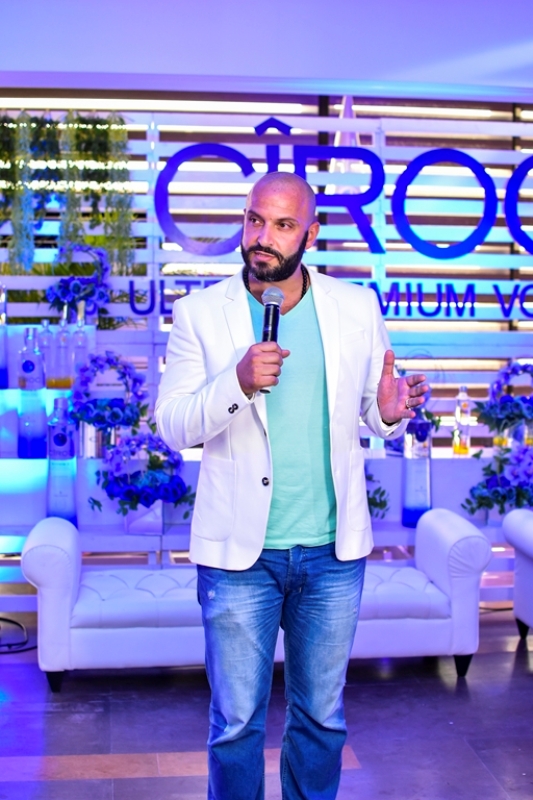
Speaking at the unveiling, Joe Nazzal, Head of Reserve said: “We are excited to be working with three of the most in-demand celebrities today. Cîroc is all about celebration. It’s the distinctive luxury vodka you celebrate with when you have ‘made it’. We are excited to toast our influencers’ celebratory moments of arrival.”

Throughout the year, the On Arrival campaign will curate exclusive moments with the three influencers for sharing across CÎROC social media platforms, giving fans access to any of the influencer’s year of exciting ‘arrivals’.

See photos below:

Toke Makinwa

Tekno

Stephanie Coker

Adenike Adebola

Adewunmi (Bankhead)

Ann Ogunsulire

Ariyike Akinbobola

Banky W

Bolanle Olukanni

Emma Nyra

Fade Ogunro

Idia Aisien

Ikechukwu

Ilona

Ini-dima Okojie

Isio de-lavega Wanogho

Jessica Ulo

Kemi Adetiba

Kola

Lola OJ

Lola Rae

Makida Moka

Michelle Dede

Somkele Iyamah

Deji Rotinwa

Kunle Akinkugbe

Lola Maja

Joe Nazzal & Mohammed

Noble Igwe & Enumah Stephen

Oluwole Awoleke & Ikechukwu Agu

Rachael Atuche & Bertille

Thelma Chukwu & Nkonyesua

Tunde Demuren & Paul ‘O’ Okoye

Rukky Sanda, Yvonne Nwosu & Toke Makinwa

Mariam Adeyemi, Idia Aisien & Jessica Ulo

Ariyike Akinbobola, Ifan & Somkele Iyamah

Zina Anumudu & Mai Atafo

Ambience

The unveiling

Cocktails

Fun time


Nigeria Imports 70 Million Generators

0

No fewer than 70 million generators have been imported into the country, the Chief Executive Officer, Consistent Energy Limited, Mr Segun Adaju, has said. Adaju told The Nation that shortatge of gas, which is the feedstock for power plants across the country, is the reason for the high incidence of generation units importation in the country..

Adaju said a research by his organisation showed that Nigeria is the net importer of generators with about 70 million generators brought in the past few years.

He said the worsening electricity situation was making Nigerians to seek solace in alternative energy supply, adding that the issue has depleted savings of many individuals and organisations.

Adaju said: ‘’Between 60 and 70 million generators of different brands and sizes have been imported into the country, in the past few years. The generators are of lower and higher voltages, depending on the needs of the owners. Besides, the generators range from the smallest to the biggest, such as Perkins and Caterpillar brand. The generators are worth billions of naira, which means that Nigerians are repatriating funds to access power.’’

He said there are health hazards caused by fumes from the generators, stressing that the issue has made people to inhale carbon monoxide, which is life-threatening.

‘’Many people have died through the inhalation of carbon monoxide arising from the use of generators. Aside this, generators cause air pollution and other environmental hazards,” he added.

Adaju, whose firm specialises in generation and provision of solar energy for individuals and communities nationwide, said Nigerians could replace their generators with solar energy and other renewables, and in return, get better and safer services.

He urged the federal and state governments to invest in solar energy and other methods of off-grid electricity for growth.

He said the intensity of the sun is high in Nigeria, urging Nigerians to leverage it to generate solar electricity for the people.


(thenationonlineng)