




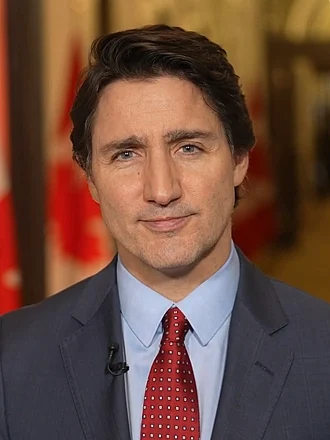
A period characterized by audacious initiatives and contentious debates came to an end on Monday when Justin Trudeau, Canada’s Prime Minister for almost ten years, announced his resignation as head of the Liberal Party.
As CNN first reported, Trudeau reminisced on his tenure in power while speaking from his home in Rideau Cottage, stating that he had “fought for this country” and its citizens.
According to him: “Every morning I’ve woken up as prime minister, I have been inspired by the resilience, generosity, and determination of Canadians. I have fought for this country, for you.”
Broad-ranging measures, such as his government’s reaction to the COVID-19 epidemic, strong support for Ukraine, and climate change legislation, defined Trudeau’s tenure, which started in 2015.
He further had this to say: “We rallied to support each other through the pandemic, stood strong with Ukraine and democracy, and worked to prepare our economy for the future.”
Trudeau resigned as a result of growing internal conflict and dwindling Liberal Party support. He recognized these difficulties, saying: “I intend to resign as party leader and prime minister after the party selects its next leader through a robust, nationwide, competitive process.”
“This country deserves a real choice in the next election, and if I’m having to fight internal battles, I cannot be the best option to lead that fight,” stated Trudeau, highlighting the need for fresh power handling.
Also read: https://brandspurng.com/2025/01/08/efcc-sacks-27-employees-over-economic-and-financial-crime/
He said that his “one regret” as prime minister was not fulfilling his pledge to change Canada’s election system.
About his 2015 campaign promise to abandon the first-past-the-post system, he stated: “I wish we had been able to change the way we elect our governments so that people could choose a second or third option on the same ballot.”
The declaration coincides with political unrest inside the Liberal Party, which has been exacerbated by Donald Trump’s plan to put 25% tariffs on Canadian exports, the president-elect of the United States. The pressure on Trudeau increased last month when Deputy Prime Minister Chrystia Freeland left, citing disagreements over the government’s strategy for U.S.-Canada ties.
BrandSpur digital news platform reports that the Liberals must rebuild and re-strategize in light of Trudeau’s departure, as Canada’s next general election is scheduled for October. Once a key factor in the party’s success, his popularity has drastically decreased, leaving the party with an uncertain future. He maintained his optimism about Canada’s future despite the difficulties.
He had this to say: “We are at a critical moment in the world.”
Adding: “Canada’s strength lies in its people, and I have no doubt we will rise to meet whatever comes next.”
