



The planned public listing of Dangote Petroleum Refinery is gathering momentum ahead of what could become the largest initial public offering ever recorded on the African continent, with the energy giant targeting a capital raise of about $5 billion through a sale of up to 10 percent equity stake.
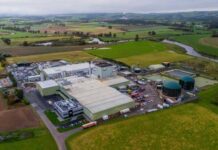
The refinery, located in the Lekki Free Zone in Lagos, is currently valued between $40 billion and $50 billion by market analysts and investment insiders. At that valuation, the transaction would surpass every previous IPO completed on African stock exchanges, potentially transforming the scale and liquidity of Nigeria’s capital market.
Designed as a pan-African offering, the IPO is expected to list primarily on the Nigerian Exchange Main Board while exploring opportunities for cross-border participation through additional African exchanges. The public subscription window is projected to open in the second half of 2026, with institutional demand already accelerating ahead of the formal launch.
According to Brandspur Banking News Desk, the private placement stage has reportedly attracted nearly $2 billion in preliminary commitments from institutional investors and high-net-worth participants seeking exposure to Africa’s largest refining project. The company is also structuring the offer to prioritise retail investors and local participation in order to broaden domestic ownership.
The 650,000 barrels-per-day facility has rapidly become one of the most strategically important industrial assets in Africa since commencing operations. Market observers say the refinery has significantly reduced Nigeria’s dependence on imported petroleum products by supplying diesel, aviation fuel and petrol into both local and regional markets.
Beyond fuel refining, the business has evolved into a broader petrochemical and industrial powerhouse. The company produces polypropylene and other petrochemical materials used in plastics manufacturing, industrial packaging and consumer goods production across African markets. Analysts say these additional revenue streams are central to the refinery’s aggressive valuation target.
The refinery has also expanded export operations into multiple African countries including Ghana, Cameroon, Togo and Tanzania, while jet fuel exports to Europe have increased sharply amid global supply disruptions. Industry reports indicate that the facility now supplies a dominant share of Nigeria’s petrol demand and continues to strengthen its regional market influence.
A major attraction for prospective investors is the proposed dual-currency dividend structure being discussed for the listing. While shares are expected to be purchased in Nigerian naira, dividend payments may be distributed in United States dollars, a strategy designed to provide investors with some protection against foreign exchange volatility.
Nigeria’s pension regulator, the National Pension Commission, has already introduced a special waiver allowing Pension Fund Administrators to participate in the IPO despite the refinery not meeting some traditional listing requirements tied to profitability history and dividend records. Regulators described the move as a one-off concession due to the refinery’s strategic national importance.
The scale of the transaction has drawn comparisons with some of Africa’s most notable capital market events. The current record for the continent’s largest completed IPO remains Steinhoff Africa Retail, which raised approximately $1.2 billion on the Johannesburg Stock Exchange in 2017. Other landmark listings include Safaricom in Kenya and MTN Nigeria on the Nigerian Exchange.
Investment analysts believe the Dangote transaction could redefine the perception of African capital markets globally by demonstrating that mega industrial assets can successfully attract both domestic and international investor capital at unprecedented scale. Discussions surrounding the offer have already triggered widespread debate among retail investors and financial communities across Nigeria regarding valuation, timing and long-term growth potential.
