



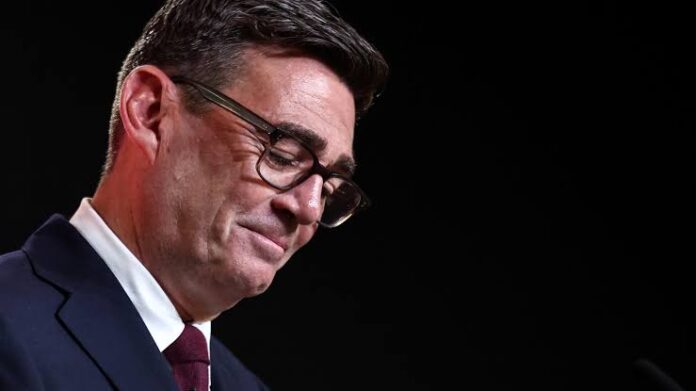
Andy Burnham has officially become the Prime Minister of the United Kingdom after meeting King Charles III at Buckingham Palace, taking over from Keir Starmer and beginning a new chapter for the Labour government amid mounting economic and political challenges.
Burnham’s appointment followed Starmer’s formal resignation, with the King inviting the former Greater Manchester mayor to form a new government under Britain’s constitutional process. The leadership transition marks another change at the top of UK politics, making Burnham the country’s sixth prime minister in the past decade.
According to Brandspur Politics, Burnham is expected to unveil his government’s priorities in his first address as prime minister, focusing on restoring public confidence, tackling the cost-of-living crisis, stimulating economic growth and expanding powers for regional authorities.
The 56-year-old takes office at a critical time for the United Kingdom, with his administration facing weak economic growth, elevated government borrowing costs, rising welfare expenditure and continued political pressure over irregular migration. Global uncertainties, including volatile energy markets and international geopolitical tensions, are also expected to shape his government’s agenda.
Before assuming office, Burnham said he intends to pursue a different economic approach centred on early investment and preventative public spending, arguing that long-term growth requires greater focus on helping people succeed rather than addressing problems after they emerge.
One of his first major decisions is expected to be the appointment of a new cabinet, including the selection of a finance minister to succeed Rachel Reeves as the government prepares to implement its economic programme.
Burnham returned to Parliament only weeks before assuming the premiership after Labour turned to him following Starmer’s resignation. Party leaders viewed him as the strongest candidate to strengthen Labour’s position amid growing support for Nigel Farage’s Reform UK ahead of the next general election.
Before becoming prime minister, Burnham served as a Member of Parliament from 2001 to 2017 and held ministerial positions in the governments of former Prime Ministers Tony Blair and Gordon Brown. He later built his national profile as Mayor of Greater Manchester, where he became known for championing regional development and devolution.
His government has already signalled a shift in priorities by cancelling the nationwide digital identity programme introduced under the previous administration, with officials saying the resources will instead be redirected towards easing cost-of-living pressures and other immediate public needs.
Burnham now faces the challenge of delivering meaningful economic improvements while rebuilding public trust in government, with Labour seeking to strengthen its standing before the next UK general election expected in 2029.
